

Linglong Program: Cultivating Citizen Climate Activists of our time
Full Solution
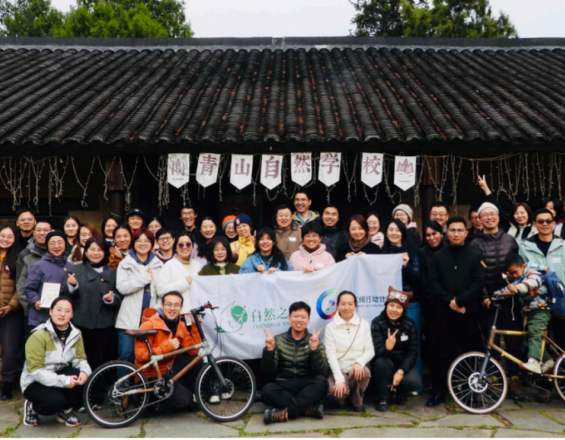
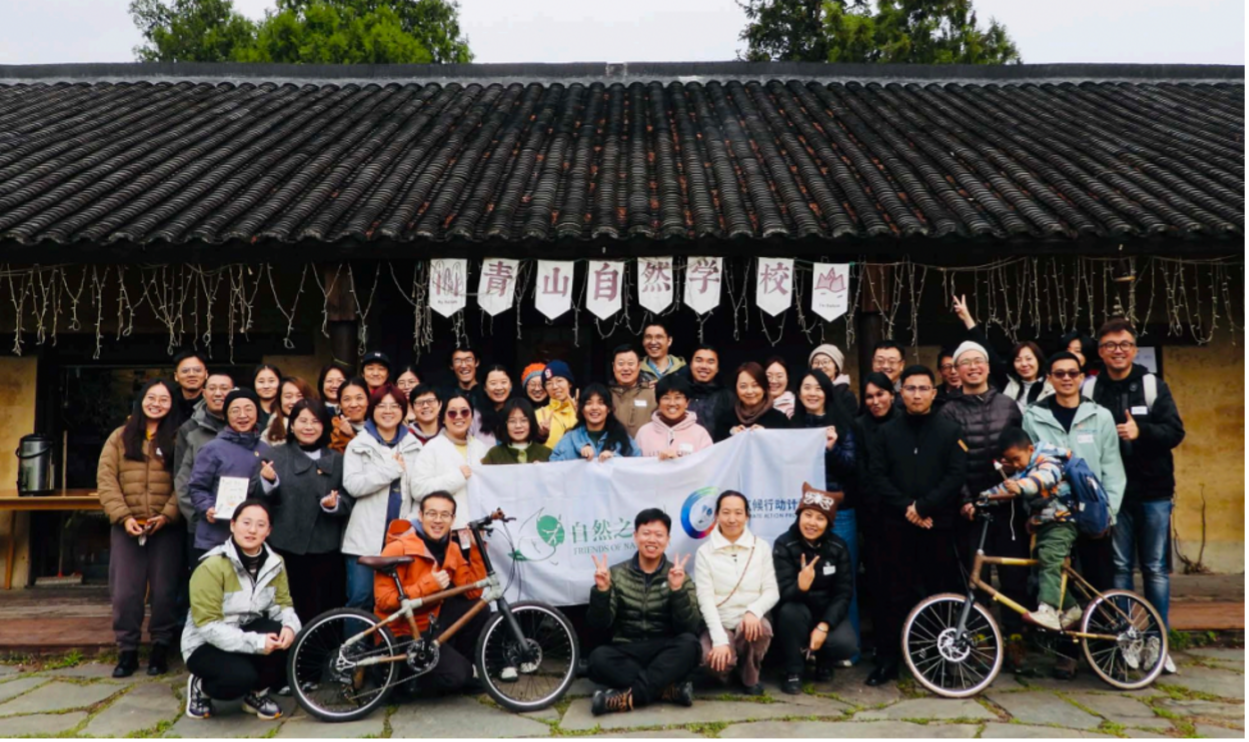
Spring Gathering of the Linglong Program
Friends of Nature Beijing Charity Foundation
In the context of accelerating global climate change, public awareness and participation in climate action across China remains limited. To address this, Friends of Nature launched the “Citizen Climate Action – Linglong Program” in 2021, with support from the Energy Foundation, the Beijing Xianfeng Changtian Foundation, and Partnerships for community Development. The program aims to identify and support individuals who already have a certain professional foundation but are at an early stage of engaging with climate issues. Through structured knowledge-building, mentorship, community support, and small grants, Linglong Program helps fellows design and implement citizen-led climate actions. By cultivating climate leaders and long-term change makers, the program establishes replicable and scalable models of climate action that inspire broader public engagement.
Last update: 17 Dec 2025
87 Views
Photo and video gallery
Context
Challenges addressed
In the context of accelerating global climate change, public awareness and participation in climate action across China remains limited. According to a 2022 Surging News survey involving 1,483 participants in China, only 48.4% of respondents knew that the primary cause of global warming is not the Sun. Among those who were aware of climate issues, the main reasons for not taking action were “there’s no point in doing it alone” (48.5%) and “no one around me takes environmental action” (41%).
Location
People's Republic of China
East Asia
Process
Summary of the process
The Linglong Program, centered on “Inspiring Individual Climate Leadership,” creates a multi-layered support system to nurture emerging climate leaders. Through structured training, fellows develop a solid foundation in climate knowledge and key project management skills. They receive mentors’ guidance to enhance their action design abilities. With community mutual help through regular online and offline events and small grants ranging from 5,000 to 50,000 RMB for selected individuals, they gain the resources to turn their project ideas into action. By showcasing initiatives through media, community networks, and public events, the initiatives broaden their impact. Through this process, promising changemakers grow into influential leaders, sharing their models, stories, and lessons with an expanding audience.
Building Blocks
Developing Climate Action Leaders
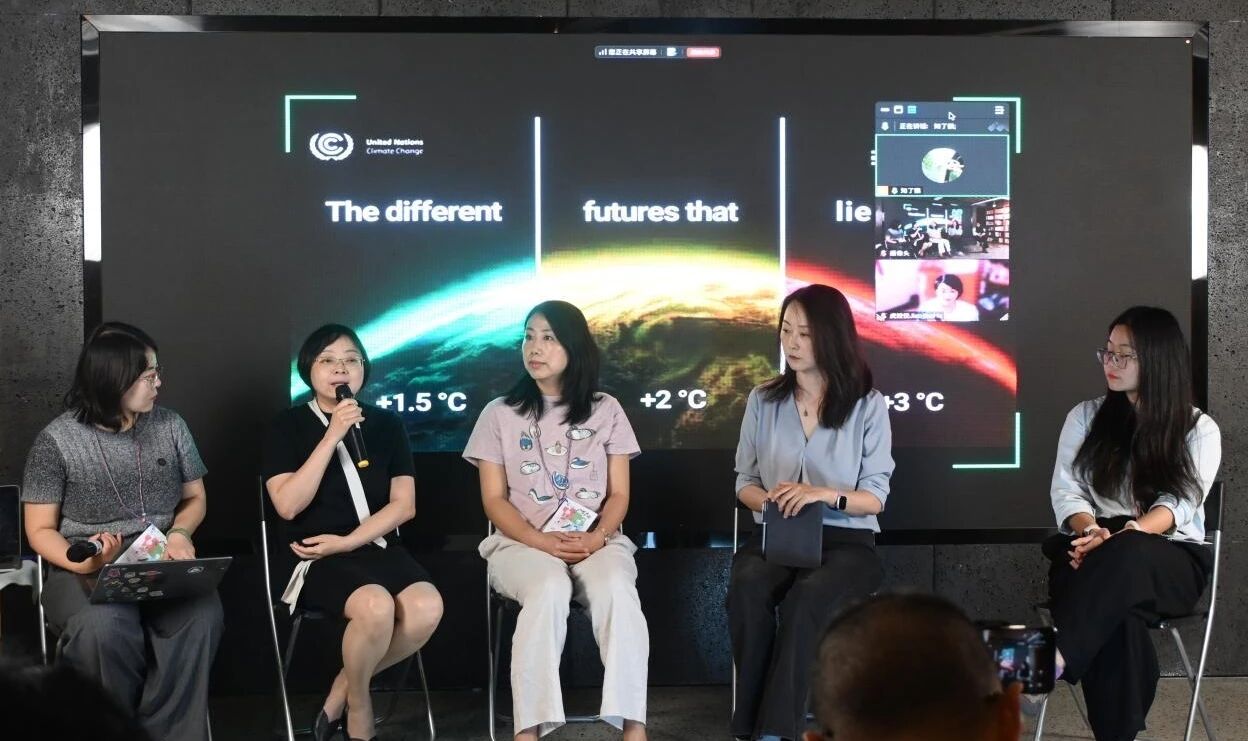
Linglong offers fellows structured training that covers climate science, project management, communication strategies, and community mobilization. While foundational climate knowledge is optional, skill-based courses such as project management, communication, and community engagement are required. The program also includes numerous workshops, practical exercises, and group activities that foster collaboration among fellows.
Each seed fellow is paired with a mentor who provides guidance on project design and implementation. Specifically, selected “seed” fellows in the Linglong Program are matched with mentors who assist them in developing their projects. After completing their project design, fellows must present and defend their proposals before a review panel. Only those whose projects pass the defense receive funding and become official Linglong fellows. From there, they enter the implementation phase of their projects, which typically lasts from five to twelve months.
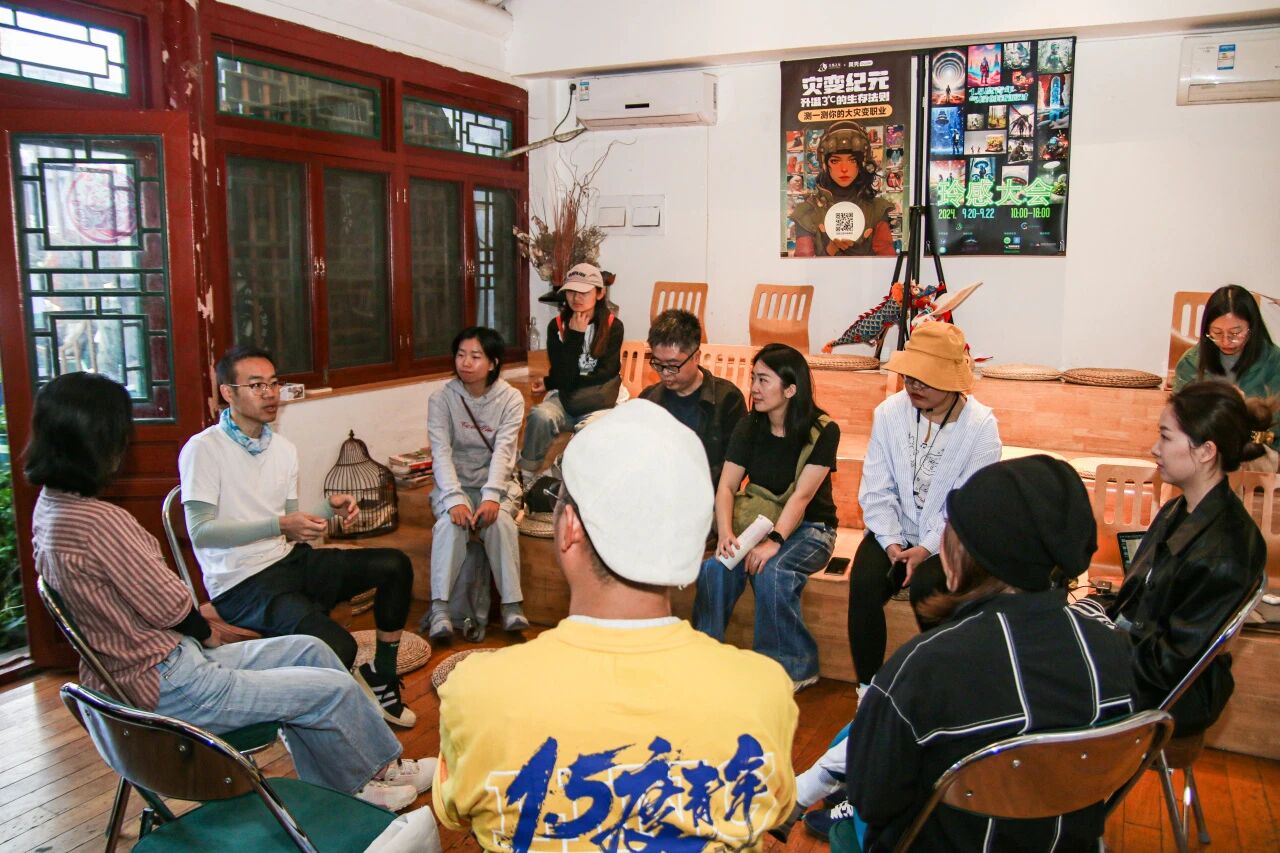
Each spring and autumn, fellows meet in person to refine their projects. In addition, the evening “Community Tavern” sessions provide a relaxed space for fellows to discuss challenges and bottlenecks encountered during implementation. Everyone contributes ideas, listens without judgment, and offers support and suggestion.
Enabling factors
The curriculum is combined with personalised mentorship to ensure fellows can continuously strengthen their ability to take action. Considering the fellows’ time constraints and interests, the courses are divided into required and elective ones. The financial support and media exposure have motivated the fellows and strengthened their sense of responsibility.
Lesson learned
Recognizing that fellows very in their backgrounds, prior experiences, and learning pace, providing tailored guidance and support are essential to maximize effectiveness.
Static communication schedules are inadequate; dynamic and varied engagement strategies—such as themed salons, storytelling sessions, and digital Q&A—better meet community needs.
Empowering Women

The Linglong Program encourages women to assume leadership roles in project design, community interaction, and publicity, which enhance their confidence and influence. Women’s forums and peer-inspirational storytelling create opportunities for exchanging experiences, overcoming societal stereotypes, and building leadership skills.
Enabling factors
The program emphasizes creating safe, inclusive spaces where women’s voices can be heard
Lesson learned
Women have infused the actions with warmth and vitality. As of the sixth cycle, the Linglong Program has funded 57 women, accounting for 63.6% of the total.
Diverse communication
By working with well-known platforms such as "Guokr" and "Yixi," it raises awareness about climate issues and expand its influence. Through initiatives like the Reader Program, community lectures, and interactive workshops, it empowered ordinary individuals to become advocates for climate action. By sharing authentic stories and action cases from fellows, the program builds emotional connection and inspires the wider public to take action.
Enabling factors
Collaborations with popular science platforms enable dissemination of compelling narratives.
Lesson learned
Tailoring content to everyday life scenarios increases relevance and resonance among diverse audiences.
Innovation in Climate Action and Communication
The Linglong Program encourages fellows to use art, technology, and unconventional approaches to explore innovative climate action strategies. For example, some Linglong fellows have used AR/VR, artistic projects, and climate-themed performances to make climate communication more engaging and joyful. The program also promotes open-source sharing of artistic and creative methods and tools, such as Trash Art and Eco-friendly Theatre, to encourage replication and adaptation by others.
Enabling factors
Cross-sector collaboration among artists, technologists, educators, and environmental experts fosters multifaceted innovation.
Lesson learned
Innovation should be context-sensitive: technology and art are effective only when aligned with local cultures, needs, and capacities. Overemphasis on novelty at the expense of clarity may diminish impact.
Transdisciplinary collaboration requires substantial coordination and mutual understanding, which takes time and nurturing.
Impacts
By cultivating a growing network of motivated young leaders and passionate community members, the initiative has established a replicable model that demonstrates how grassroots participation can drive societal transformation.
By the end of the sixth cycle, the program has engaged 1,708 participants, with 182 selected as seed fellows, who typically undergo around 55 hours of intensive training per cycle, gaining skills that range from fundamental to advanced levels in climate science and project management. Many alumni have taken on mentorship roles, sustaining the continuous cycle of leadership development.
The project has cultivated a group of promising young leaders and long-term activists, contributing a wealth of practical cases to China’s public welfare sector.
Beneficiaries
Early-stage climate changemakers
Social innovators
General public and local community residents
Sustainable Development Goals
SDG 3 – Good health and well-being
SDG 4 – Quality education
SDG 5 – Gender equality
SDG 6 – Clean water and sanitation
SDG 7 – Affordable and clean energy
SDG 9 – Industry, innovation and infrastructure
SDG 10 – Reduced inequalities
SDG 11 – Sustainable cities and communities
SDG 12 – Responsible consumption and production
SDG 13 – Climate action
SDG 17 – Partnerships for the goals
Story

Zhou Lei
friends of Nature Beijing Charity Foundation
Houzai — Healing the Climate Crisis Through Trash Art
Zhou Lei (aka “Houzi”), curator of the “Trash Artists” public exhibition and civic performer. © Friends of Nature Beijing Charity Foundation
Among environmental activists, Houzai stands out as a “trash artist” transforming waste into art that connects people and the environment
In 2015, the documentary “Plastic China” struck Houzai like a heavy blow. At the time, she had never considered her personal connection to global environmental issues. But the shocking scenes in the film awakened her to a truth — “We are all contributors to environmental problems, and we must also be part of the solution,” she reflects.
Based on this idea, Houzai launched her “Trash Artist Project” through public exhibitions and a series of participatory art workshops. As the name suggests, “Trash Artist” uses waste as both the theme and the material for artistic creation and expression.
Unlike traditional exhibitions that highlight established artists, the Trash Artist Project provides a platform for ordinary people to express themselves. Houzai emphasizes: “We don’t seek museum-level art, but self-expression from everyone.” This participatory approach effectively bridges the gap between public and environmental protection.
With support from the Linglong Program in 2023, Houzai achieved her project’s envisioned potential: “It combines courses, workshops, and exhibitions seamlessly.” The 2023 Beijing “Trash Artist” exhibition exemplified this approach. In workshops, participants practiced plant-based dyeing using kitchen waste and embodied the idea of sustainability through bamboo bicycle assembly. In the theater, audiences incorporated their personal waste stories into performances, transforming environmental awareness from abstract concepts into tangible emotions.
Today, Houzai has fully integrated environmental protection into her life. The Trash Artist Project has expanded to multiple cities and rural areas, showing that climate action can be both participatory and accessible.