

Participatory in-situ Conservation and Sustainable Use of Agrobiodiversity in Hainan
Full Solution
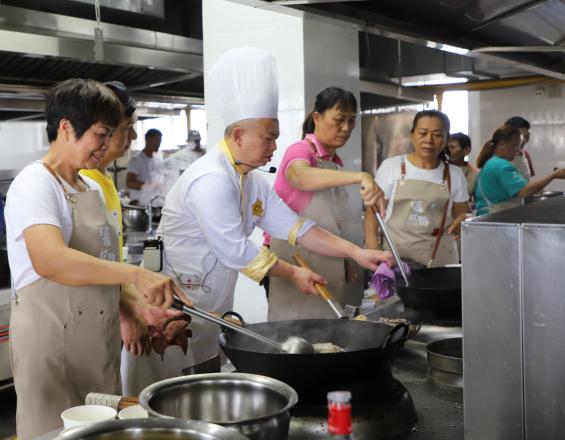
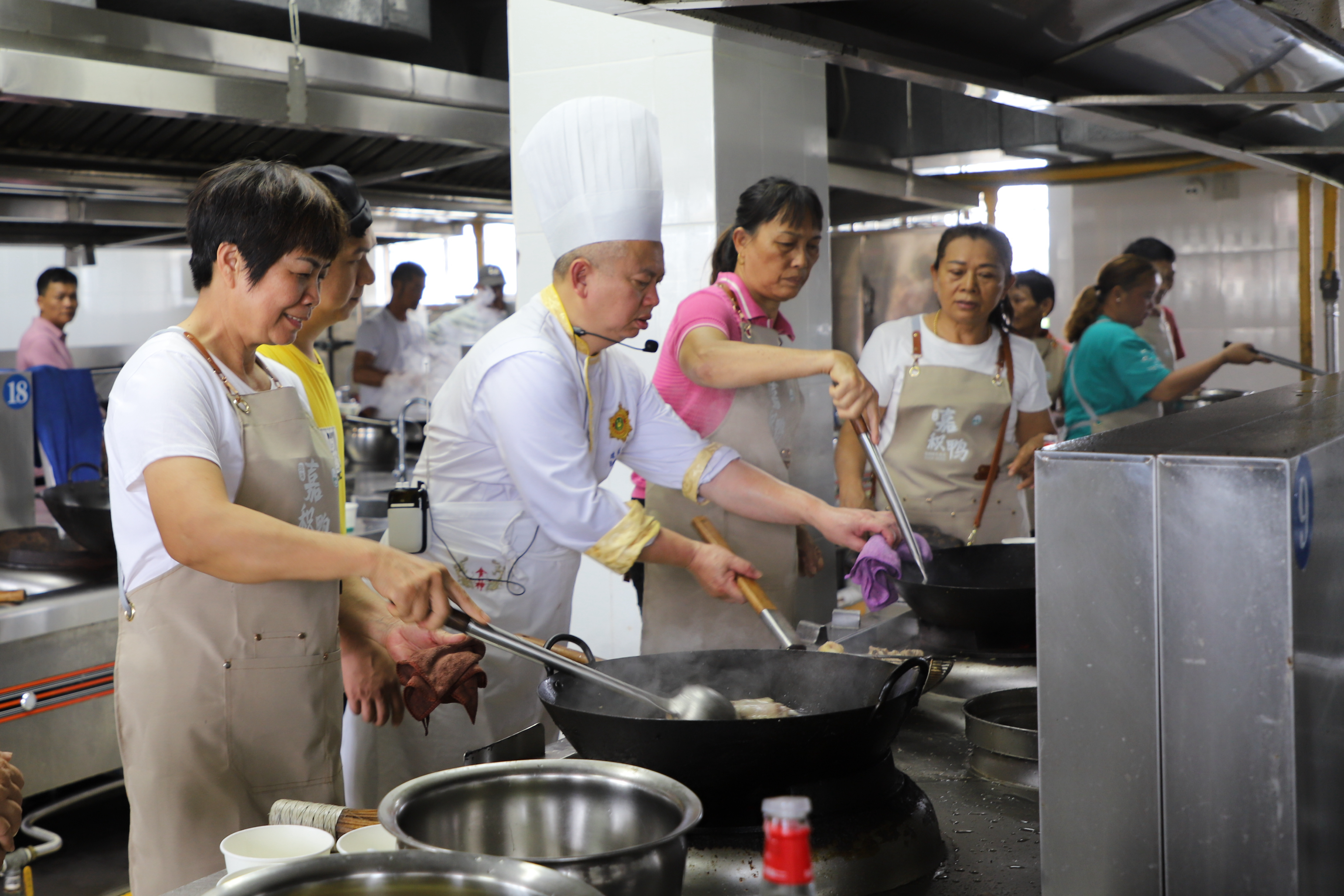
Qionghai Jiaji duck cooking training
Department of Agriculture and Rural Affairs of Hainan Province
Hainan is a natural gene bank for tropical crop varieties which include many endemic crop varieties such as Shanlan rice, tropical native melons, beans, solanaceous vegetables as well as 15 local breeds of livestock. However, intensive agriculture development, environmental pollution, invasive alien species, urbanization, attrition of traditional production systems, fragmentation, degradation of habitats and climate change put increasing pressure on agrobiodiversity conservation and sustainable use. This Solution presents how conservation and sustainable use of local agricultural genetic diversity in Hainan Province were promoted through the development of incentive mechanisms for farmers to sustain populations of endemic crops and livestock, the establishment of a supportive enabling environment and strengthened institutional capacity.
Last update: 12 Dec 2025
146 Views
Context
Challenges addressed
Lack of a cohesive policy and regulatory framework, along with insufficient inter-sectoral coordination, hinders in-situ agrobiodiversity conservation. Institutional staff lack understanding and capacity in conserving genetic resources for food and agriculture and biodiversity loss, limiting in-situ conservation and sustainable use. Economically, farmers lack coordinated, sufficient incentives for conserving and sustainably using local agricultural varieties, due to missing public sector support and market-based mechanisms. Economic development, including urbanization, industrialization, agricultural commercialization, and modern technology introduction has exerted significant pressure on Hainan's natural resource base, increasing demand for food, land, and water. Agricultural intensification and introduction of various crops have fragmented local varieties' habitats and reduced their cultivation, threatening ecological and food security.
Location
中华人民共和国海南省白沙黎族自治县
中华人民共和国海南省琼中黎族苗族自治县
中华人民共和国海南省琼海市
East Asia
Process
Summary of the process
The strengthened institutional and policy framework systematically mainstreams the conservation and sustainable use of agrobiodiversity into broader socio-economic development priorities. This lays down a solid foundation for demonstrating and replicating incentive-based approaches. The best practices generated from these demonstrations then serve as the core content for mainstreaming agrobiodiversity conservation approaches. Furthermore, knowledge management and sharing, along with institutional capacity building, are key actions that support the demonstration of these approaches and ensure the long-term sustainability of conserving genetic resources for food and agriculture (GRFA).
Building Blocks
Strengthened provincial policy and regulatory framework
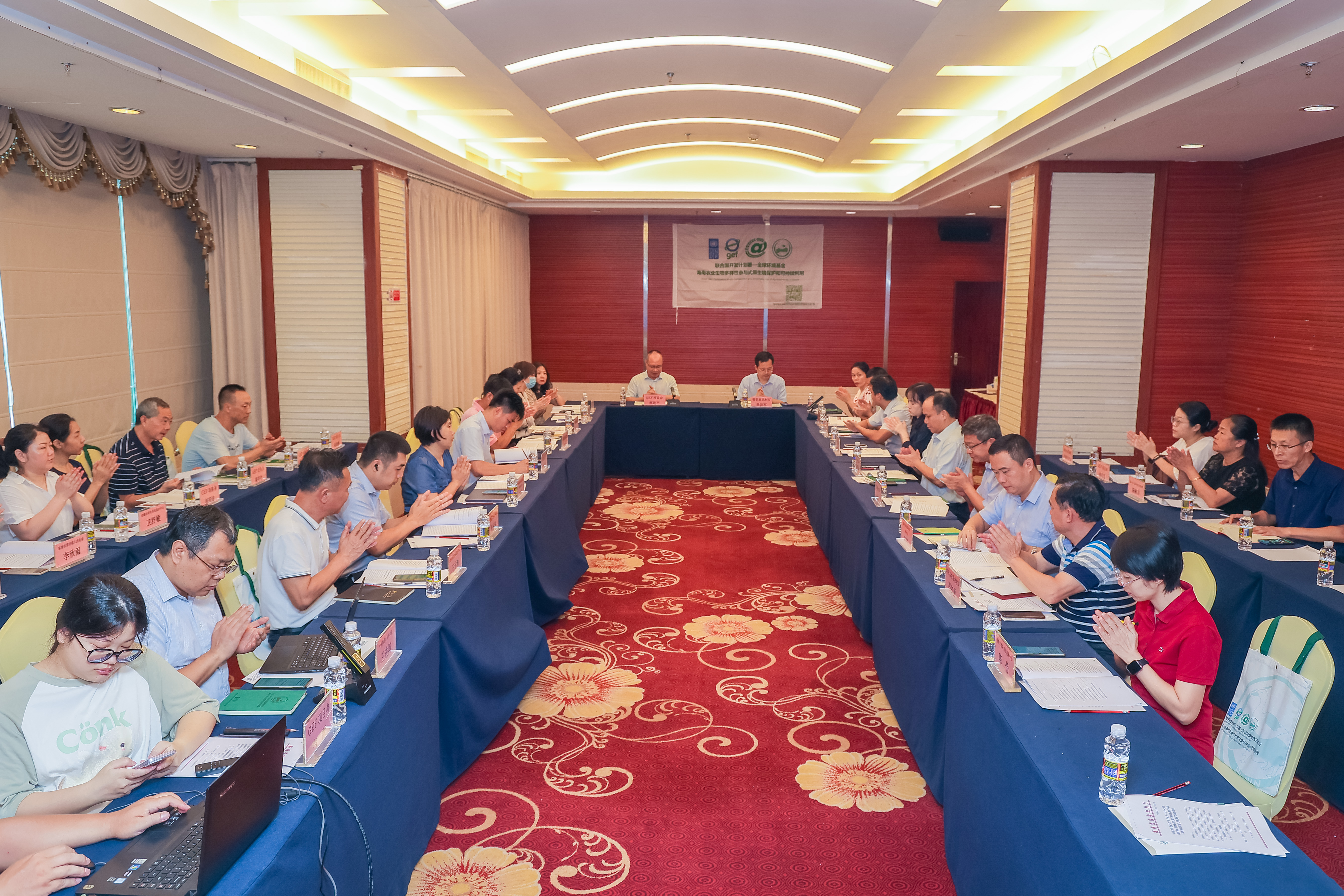
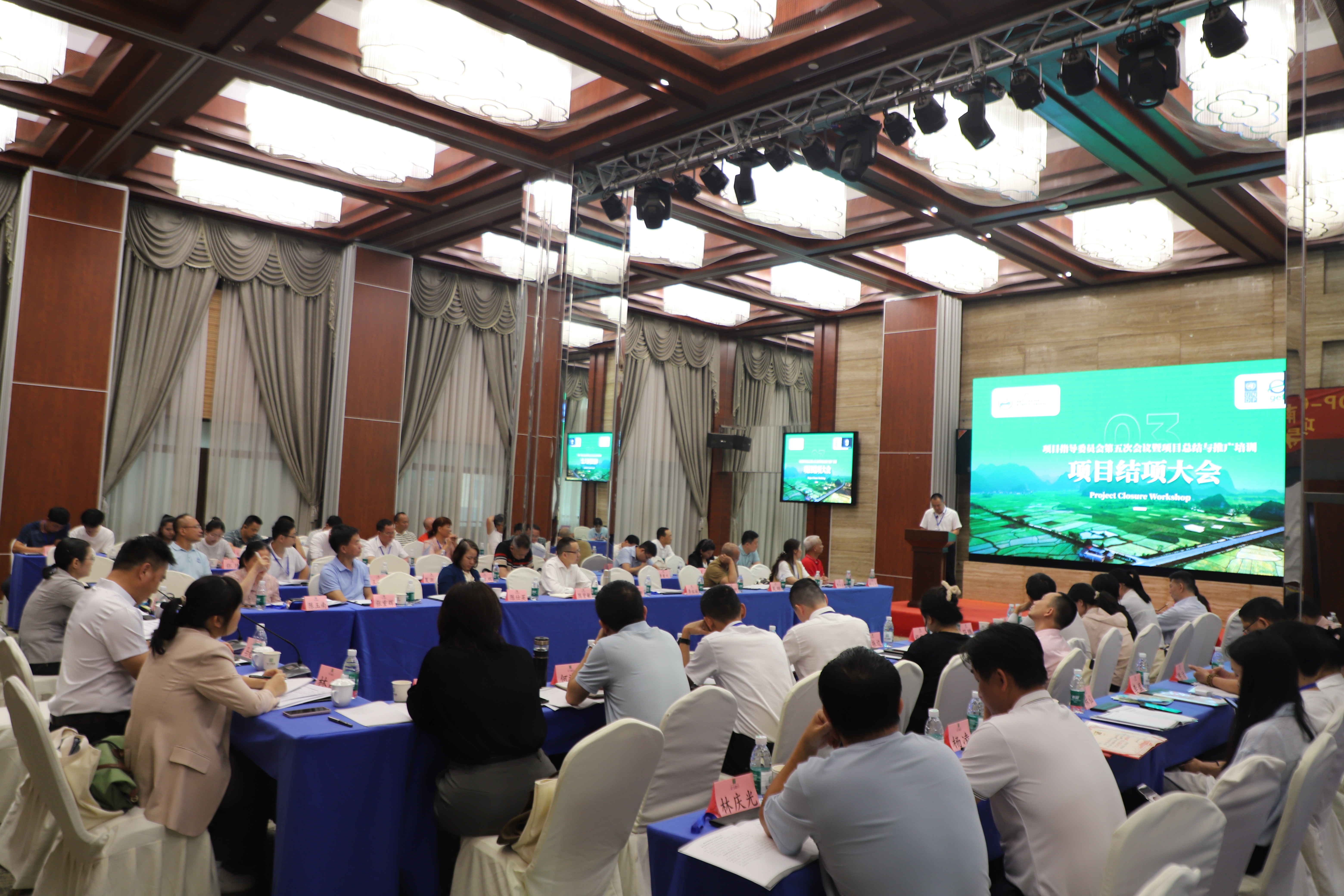
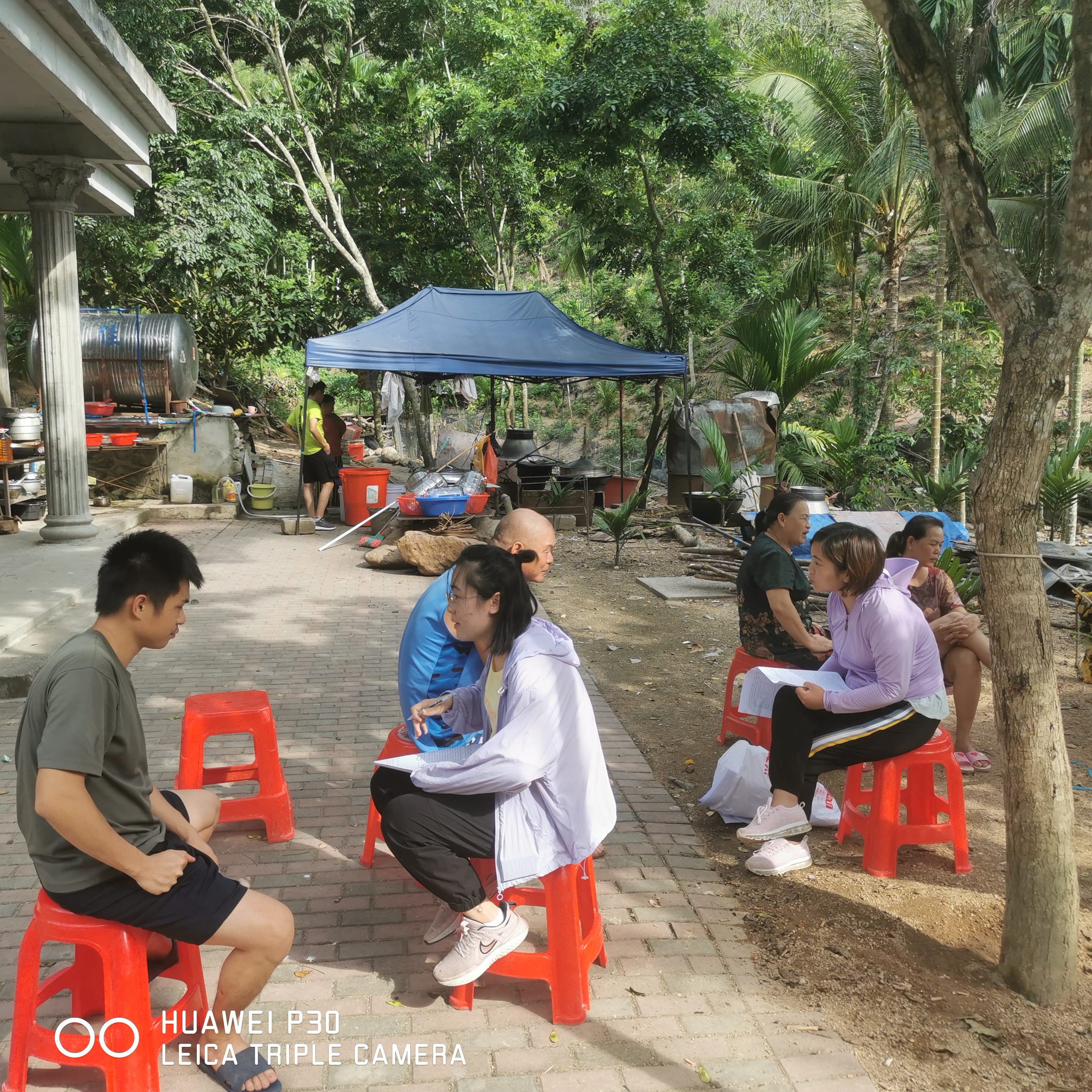
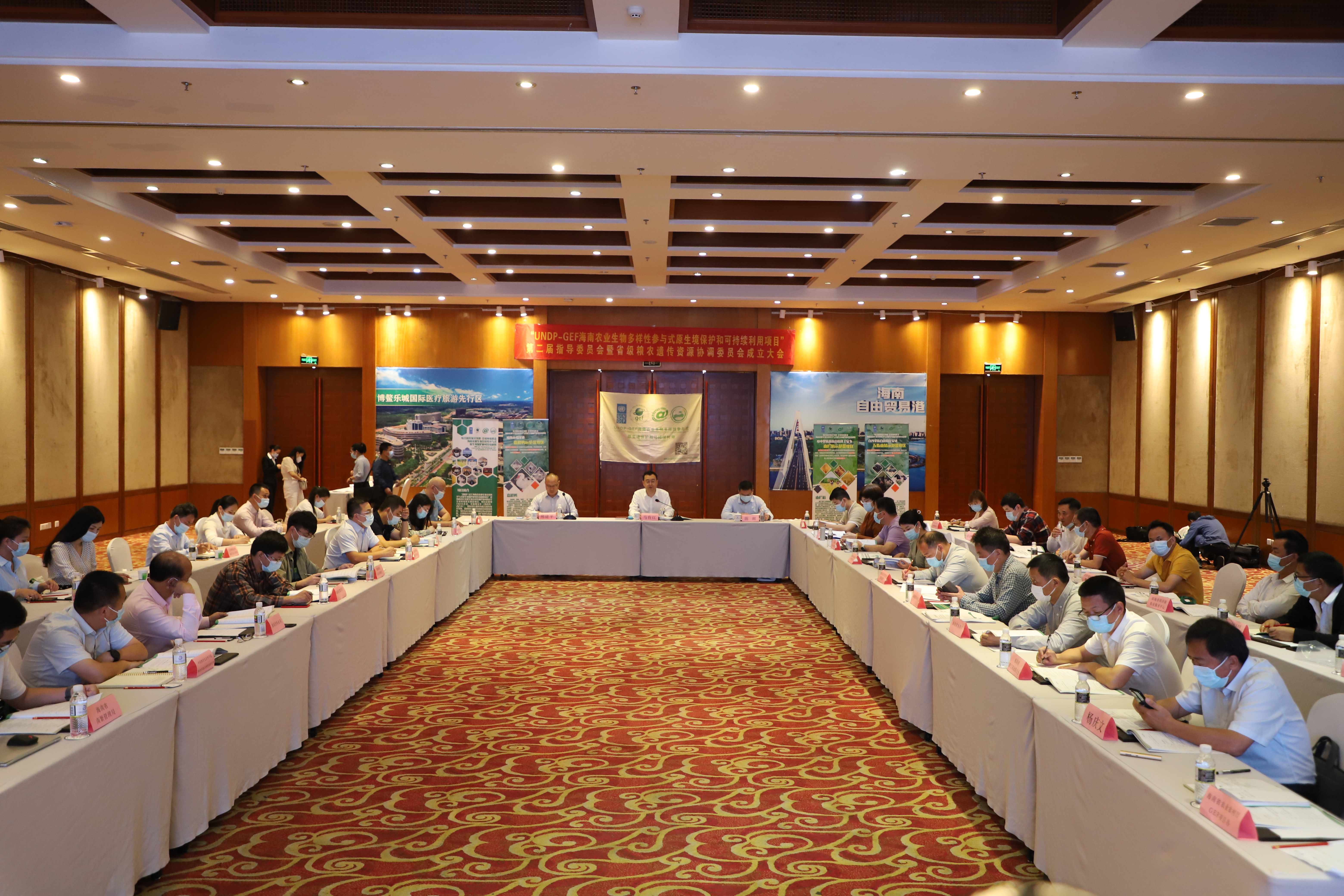
The policy and regulatory framework for in-situ conservation and sustainable use of agrobiodiversity has been enhanced at the provincial level, including: 1)Provincial level and county/city level GRFA coordination committees have been established that facilitates the planning and implementation of approaches for the sustainable use and conservation of varieties. 2)Development of policies such as the Provincial Strategy and Action Plan of Conservation and Utilization of Agrobiodiversity in Hainan, as well as provincial and county/city level Implementation Frameworks approved by governments. These policies have been integrated into 14th Five-Year Plan for the Modernization of Agriculture and Rural Areas; the strategy and action plan for conservation and use of agrobiodiversity in Hainan incorporated into the Strategy and Action Plan for Biodiversity Conservation in Hainan (2023-2030). 3)A guideline for allocation of eco-compensation funds and eco-compensation schemes for in-situ conservation and sustainable use of agrobiodiversity were developed, based on piloting of the eco-compensation implementation plan. In addition, the project has successfully secured 1.64 million eco-compensation funding allocation by the Department of Finance.
Enabling factors
1)Trans-sectoral coordination mechanisms at provincial, county/city, and demonstration landscape levels were established to promote the full and equal participation of all stakeholders. 2) In the process of piloting eco-compensation schemes, it is crucial to initially gather farmers' willingness to accept compensation, then timely adjust compensation methods and amounts according to actual conditions during implementation, and finally conduct independent third-party evaluations after execution.
Lesson learned
Multi-stakeholder coordination mechanisms promote project implementation, experience sharing, strengthens inter-agency collaboration.
The eco-compensation scheme for agrobiodiversity conservation should include production activities, technical training, product development, etc. In addition, the eco-compensation scheme should be adjusted in a timely manner, in response to changes in farmers’ needs, which are subject to market demands.
Demonstration of incentives mechanisms for in-situ conservation and use of agrobiodiversity at community level
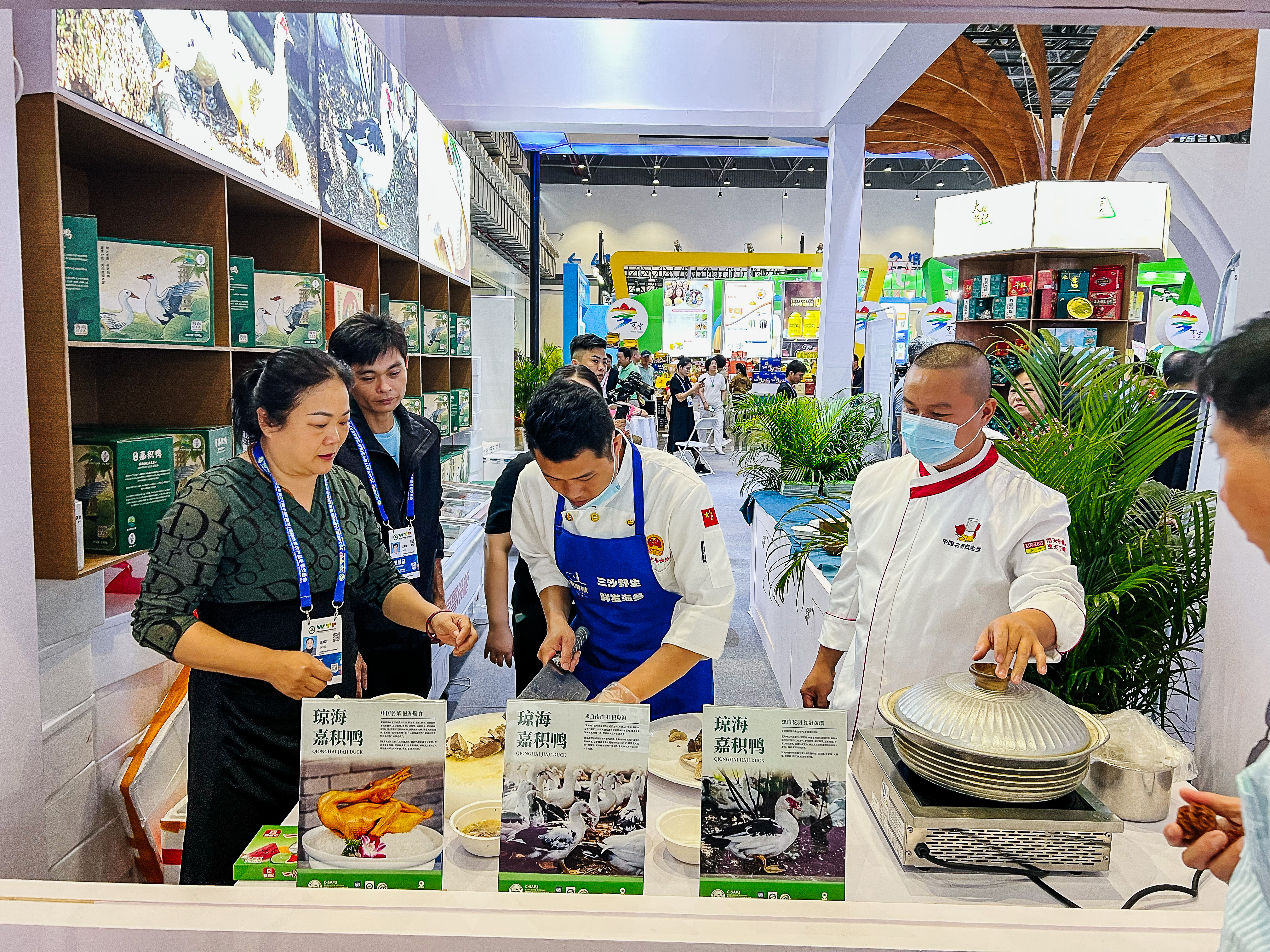
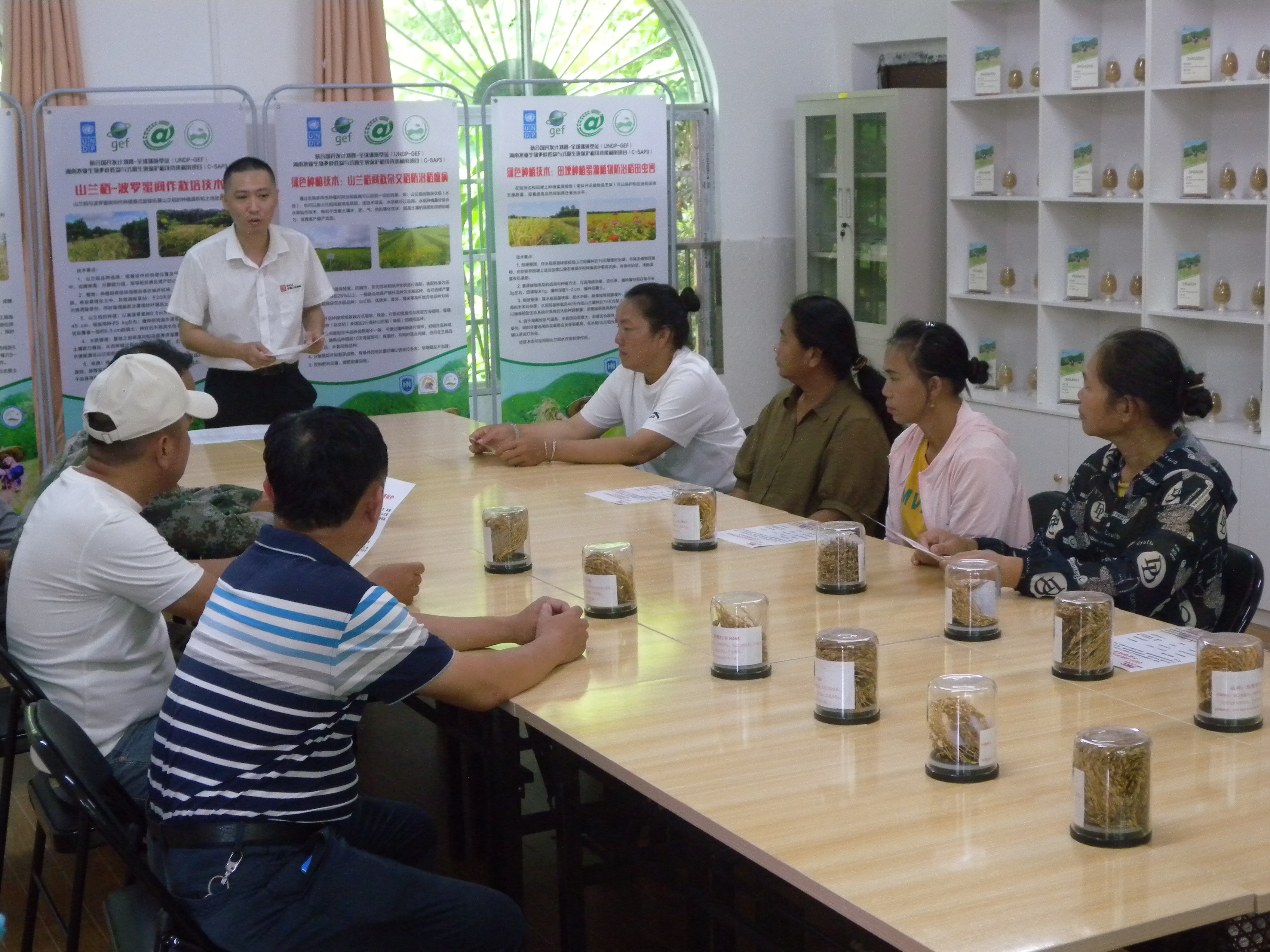
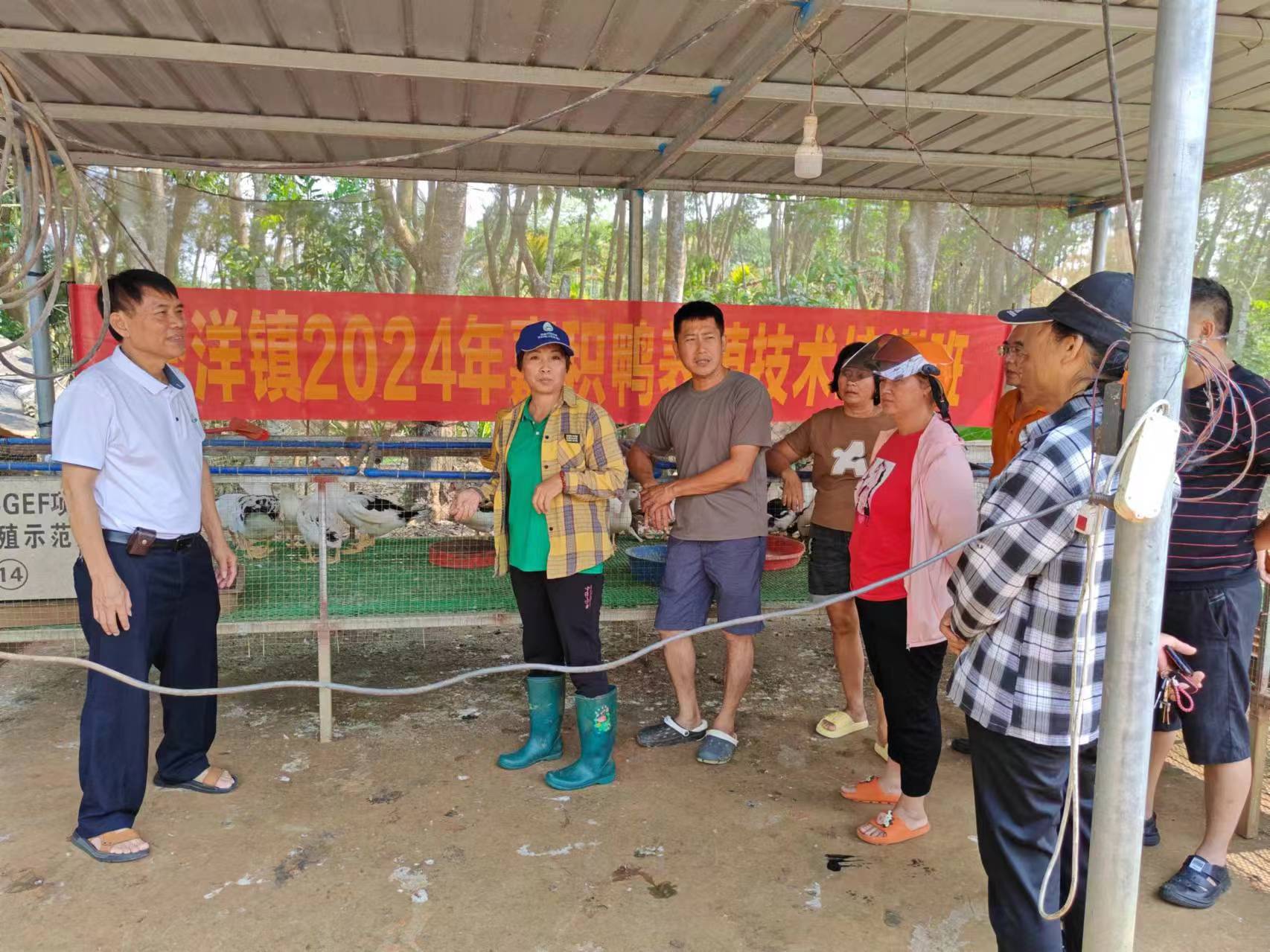
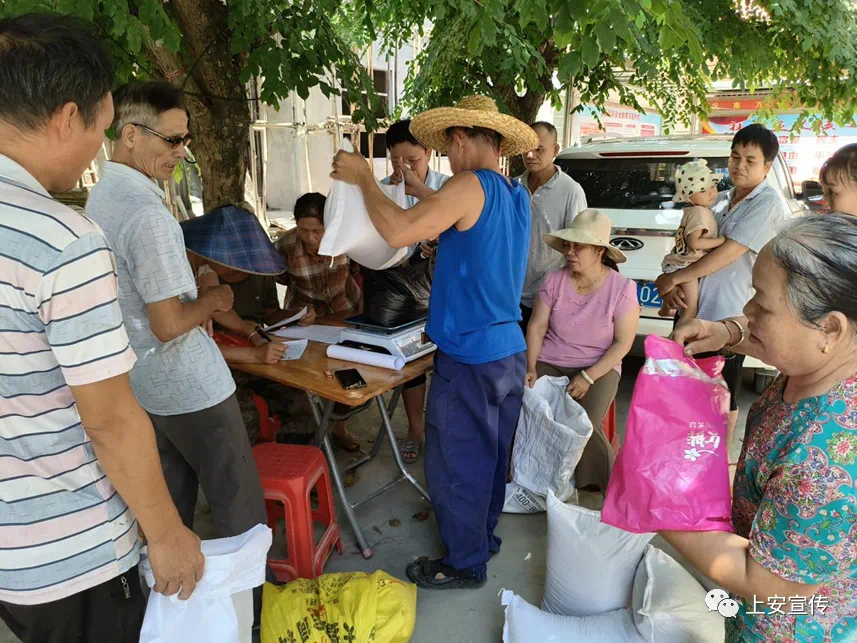
Market- and non-market-based incentive mechanisms for in-situ conservation and sustainable use of agrobiodiversity have been established and demonstrated, offering long-term livelihood benefits to local farmers.
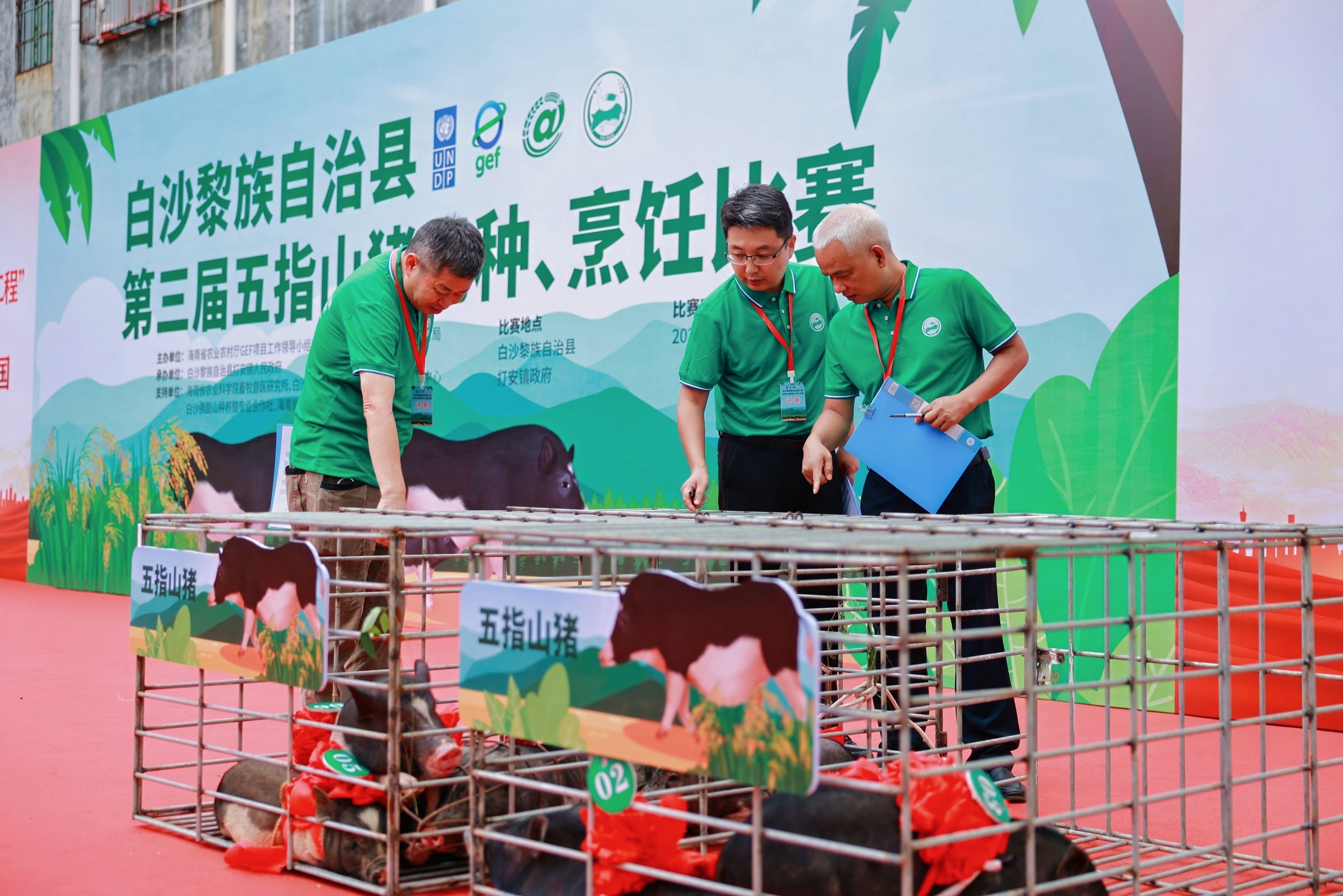
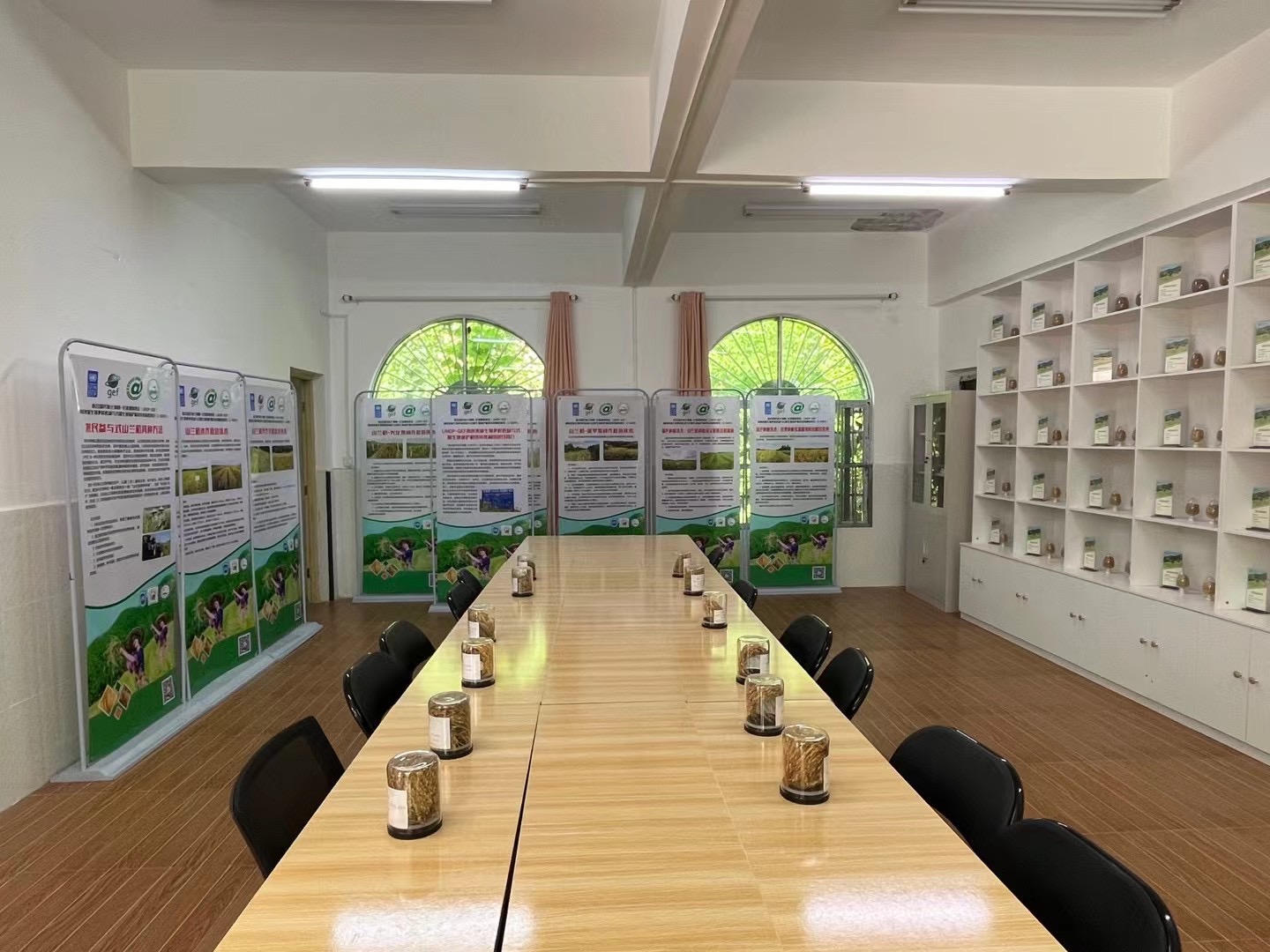
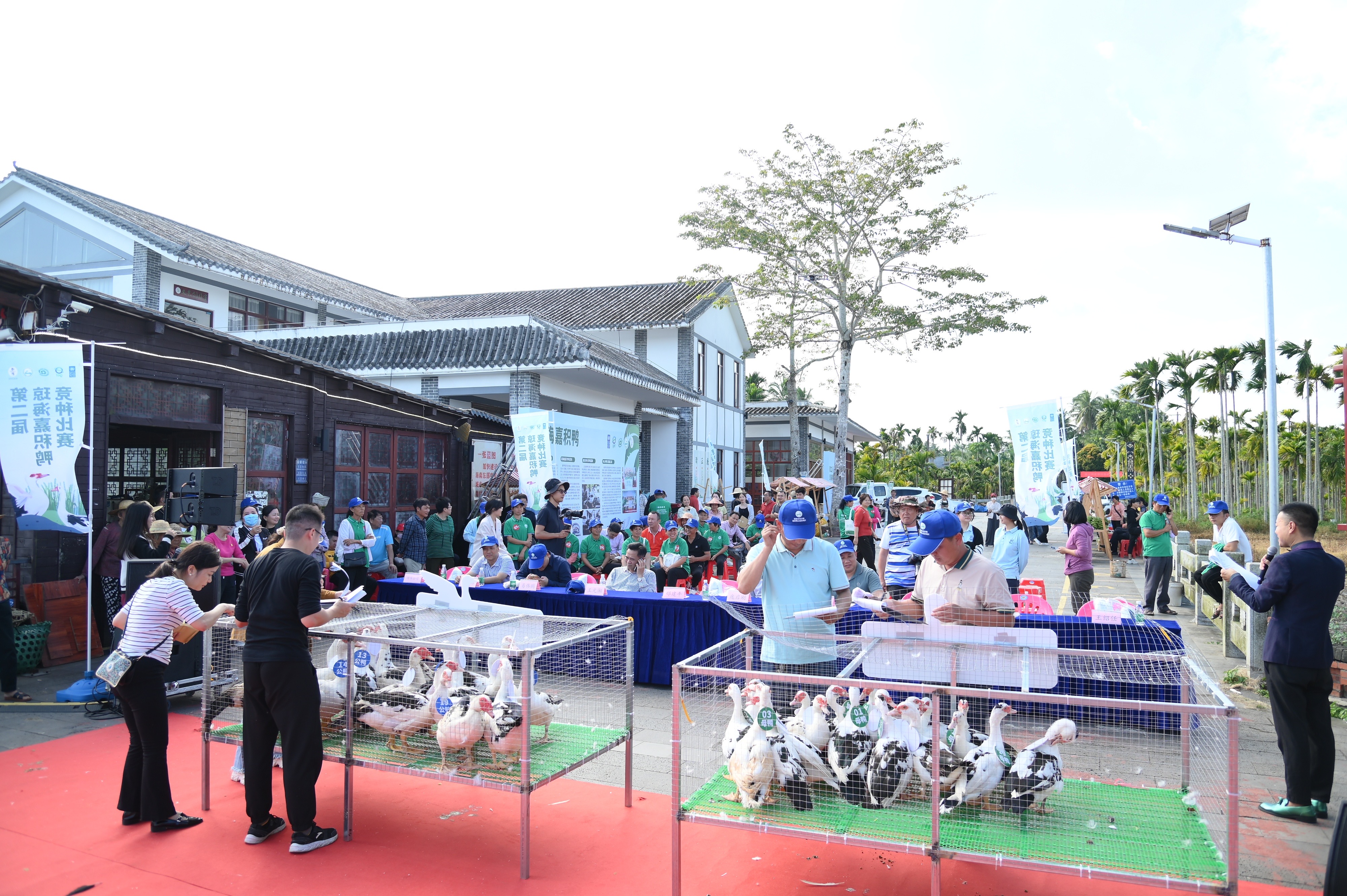
The protection of germplasms for target varieties has improved through the creation of a community seed bank for Shanlan rice and the organization of regular livestock competitions for Wuzhishan pigs and Jiaji ducks. Provincial and county-level trade fairs have been organized to display and disseminate information on GRFA products and offerings. Participation in these fairs has broadened farmers' perspectives and enhanced their sales capabilities. Several improved technologies have been introduced to boost farming efficiency in demonstration and replication areas; 62 training courses (2,660 participants, 44% women) of various types have been held to boost farmers' confidence in farming and their resilience to climate change. Incentives such as culinary competitions, eco-compensation, carbon labeling, small farm equipment for farmers, partnership establishment, eco-certification, whole industry chain insurance for Shanlan rice, the establishment of three farmer field schools, and marketing chain development have all contributed to farmers' sustainable livelihood capacity, thus promoting the in-situ conservation of GRFA.
Enabling factors
1)Financial incentives were provided to farmers, such as microgrants.
2)Capacity building at provincial, city/county, and village levels, improved farmers' capacity for sustainable livelihood and in-situ conservation and use of GRFA.
3)Under the guidance of experts, a technological support system of “cooperative + research institutes + farmers” was established, supporting breeding and industrial chain development, and achieving conservation and sustainable utilization.
Lesson learned
1)The involvement of cooperatives and enterprises is important for sustainable engagement with farmers, building confidence in local farmers in planting local varieties knowing that they can sell their products to the company.
2)Providing employment and income opportunities can lead to other socio-economic benefits, such as people staying in their home communities.
Mainstreaming and institutional capacity strengthening
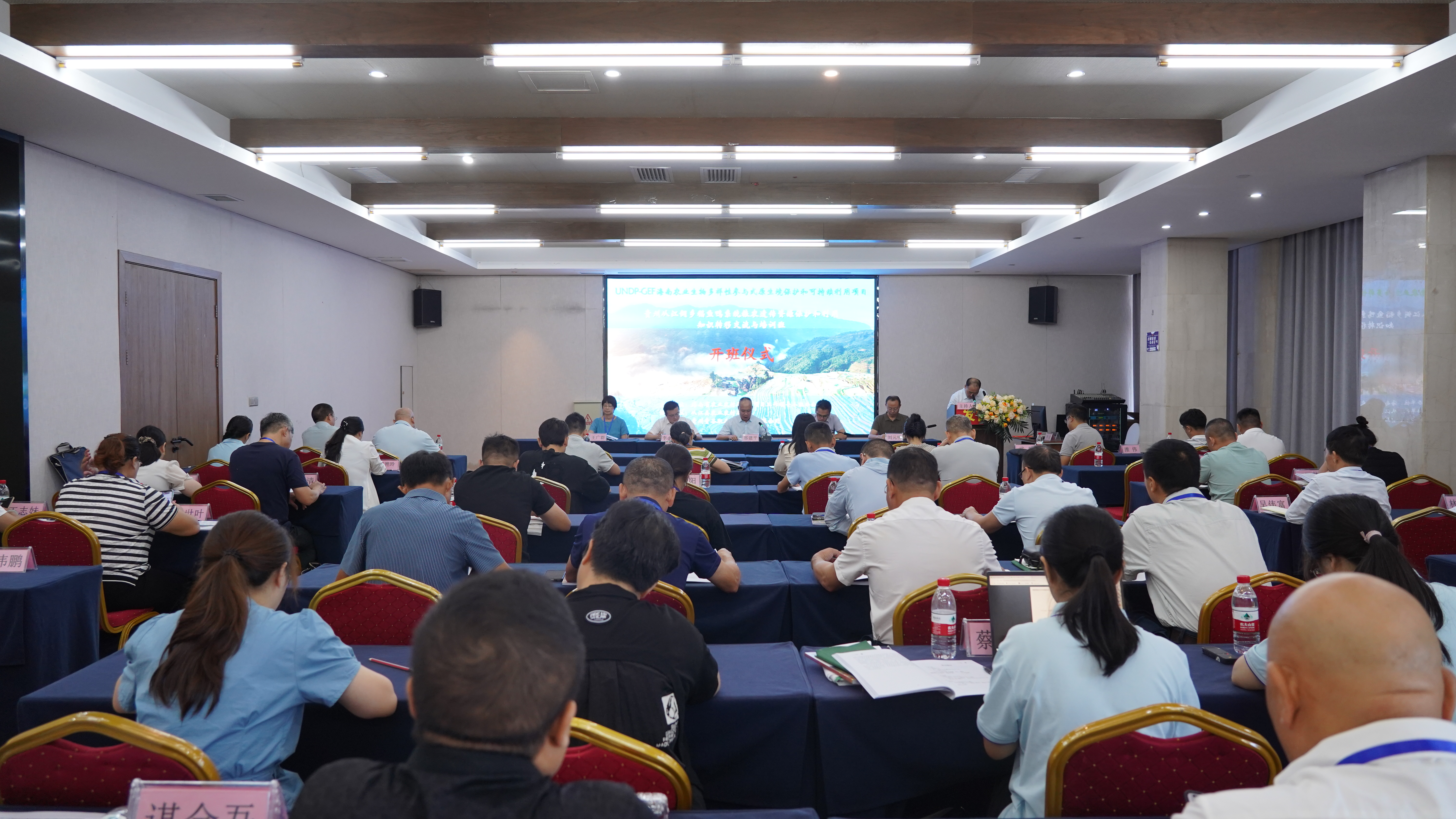
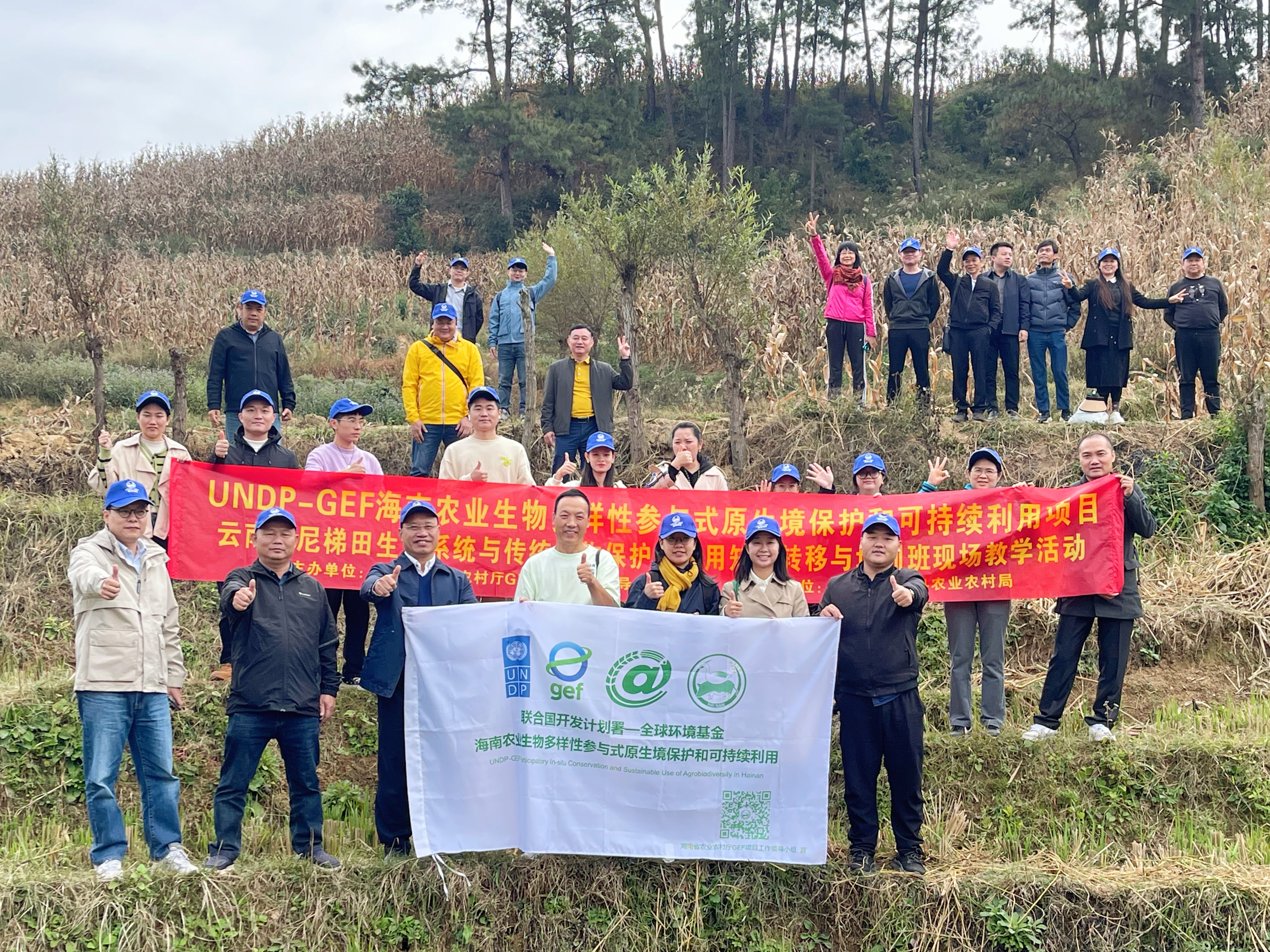
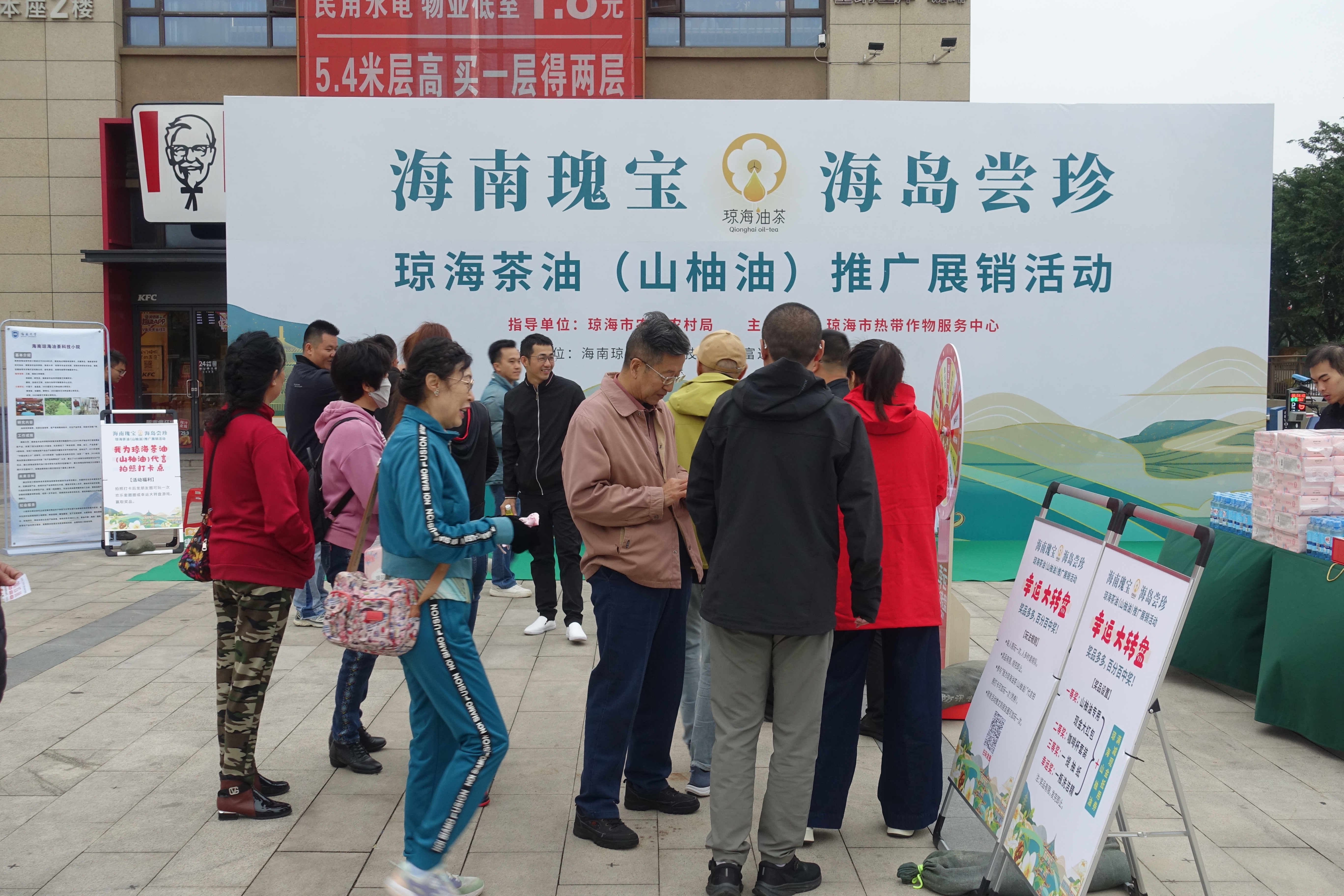
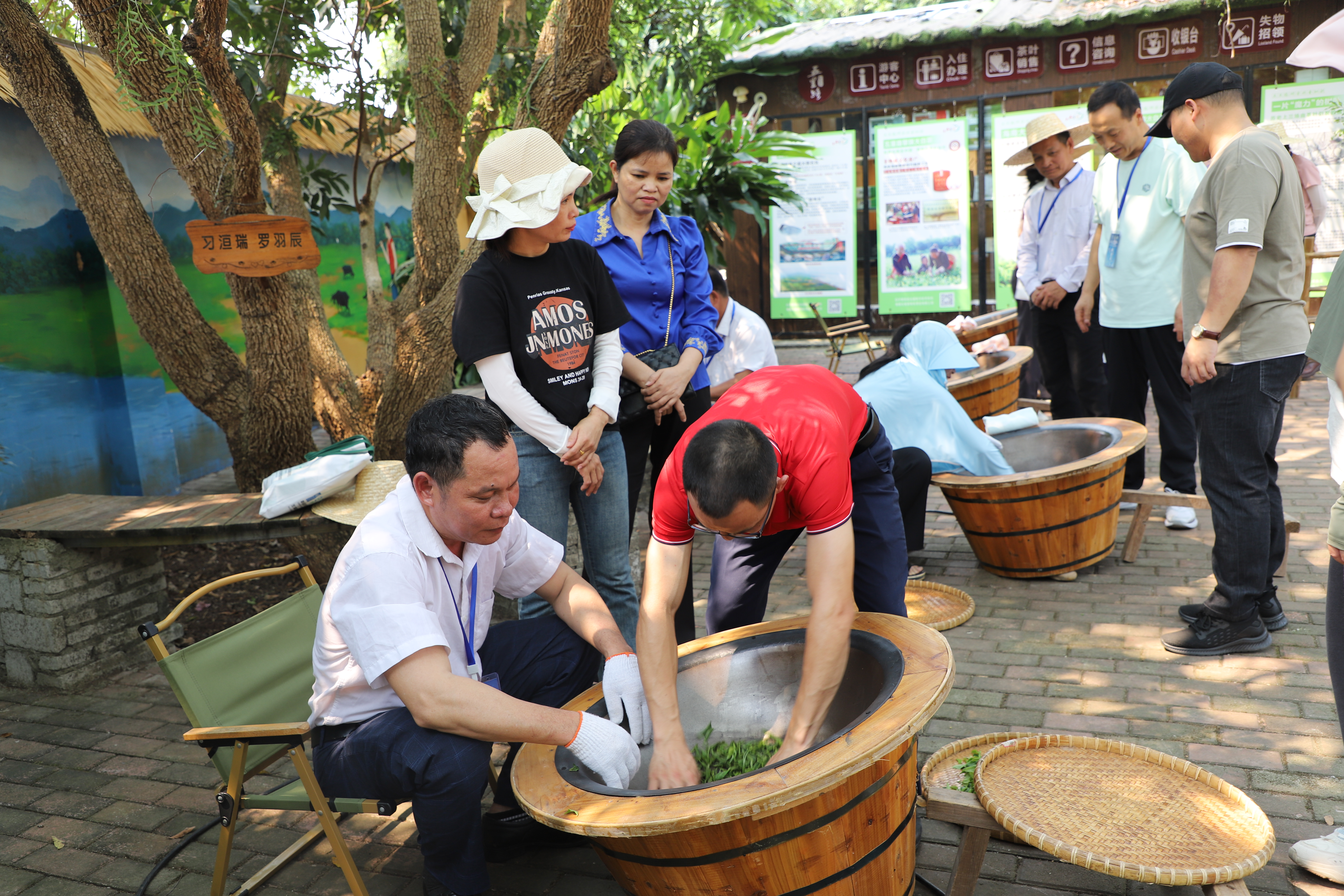
Demonstrated approaches mainstreamed and capacities strengthened to facilitate upscaling of conservation and sustainable use of GRFA.
1)Strengthen capacities based on capacity building needs analysis and capacity training plan, including designing training courses (615 people, 31.22% women) for various target groups such as institutional staff, women (jointly with Women’s Federation of Hainan Province) and youth (jointly with the Youth League of Hainan Province).
2)The concept of agrobiodiversity conservation and utilization as well as the best practices have been incorporated into the 14th 5 Year Plan for Agricultural and Rural Modernization of Hainan Province. The guidelines for best practices for the conservation and sustainable use of GRFA have been included in the local annual work plan and is in the process of being brought into the local 15th 5-year plan for agricultural and rural development, thus enhancing the mainstreaming of the incentive approaches in the conservation and sustainable use of agrobiodiversity conservation.
3)Replicate success based on pilot demonstrations, e.g. two new regions with two more traditional varieties, that is, Hainan camellia and Hainan big leaf tea, were selected for upscaling.
Enabling factors
The targeted capacity building plans, various modules and tailored contents of training courses and expanding involvement of women and youth play an important role in realizing the outcomes of training. Full and equal participation of all stakeholders is important for replication. In addition, knowledge transfer activities broadened the vision of participants and introduction of models from the demonstration sites brought opportunities for cooperatives and farmers in the replication areas.
Lesson learned
Effective knowledge transfer of good practices is important for scaling up.
Knowledge Management and Sharing
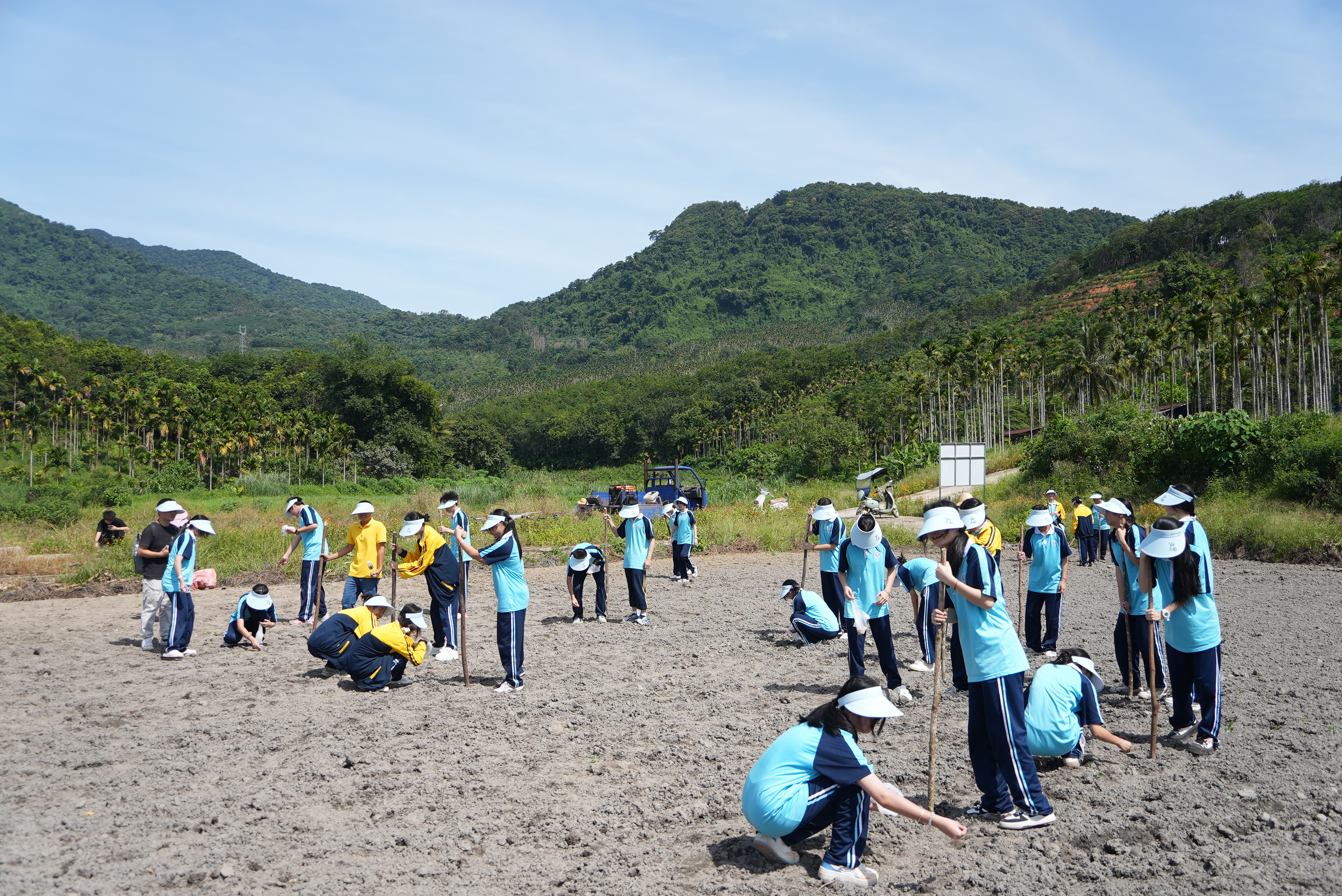
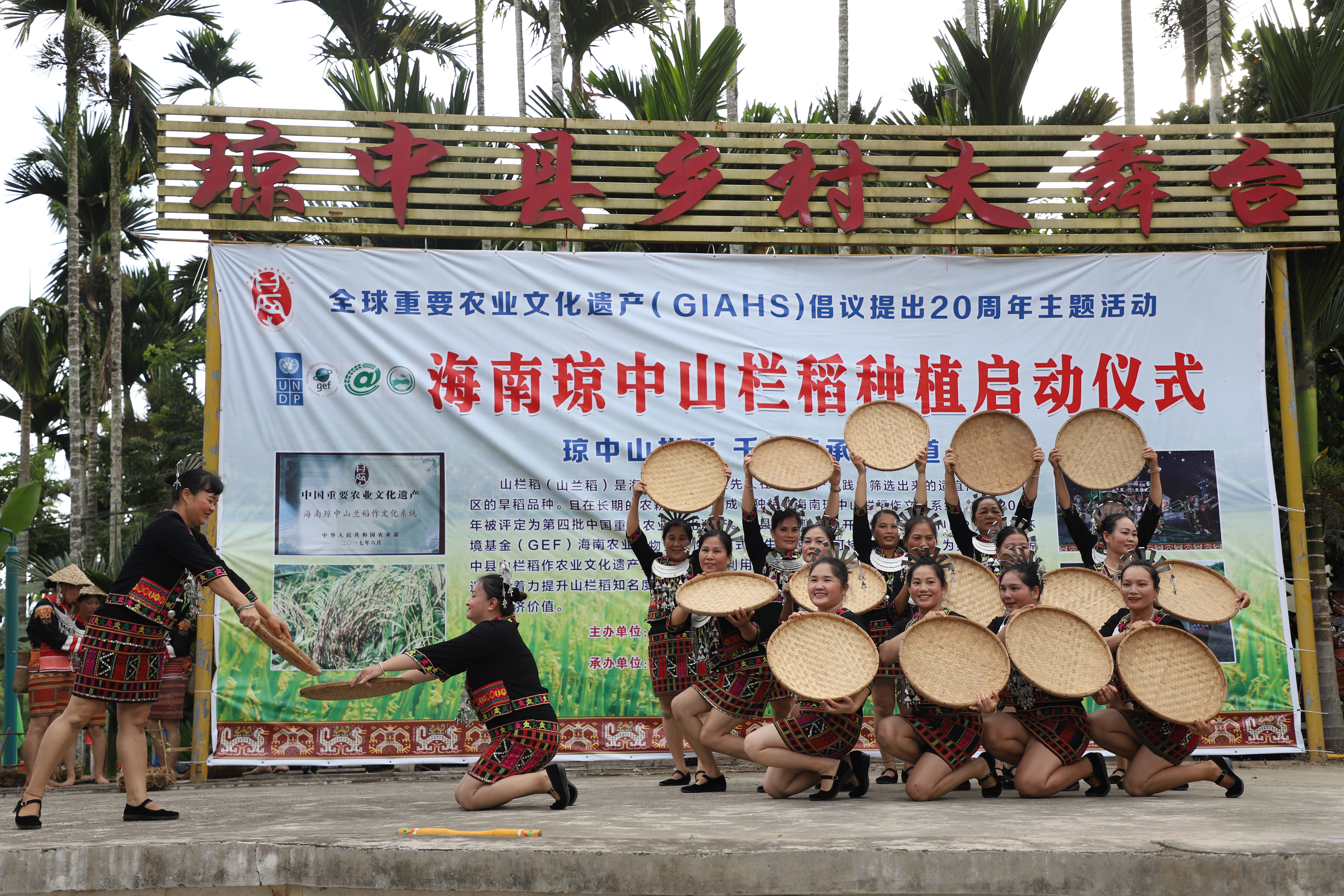
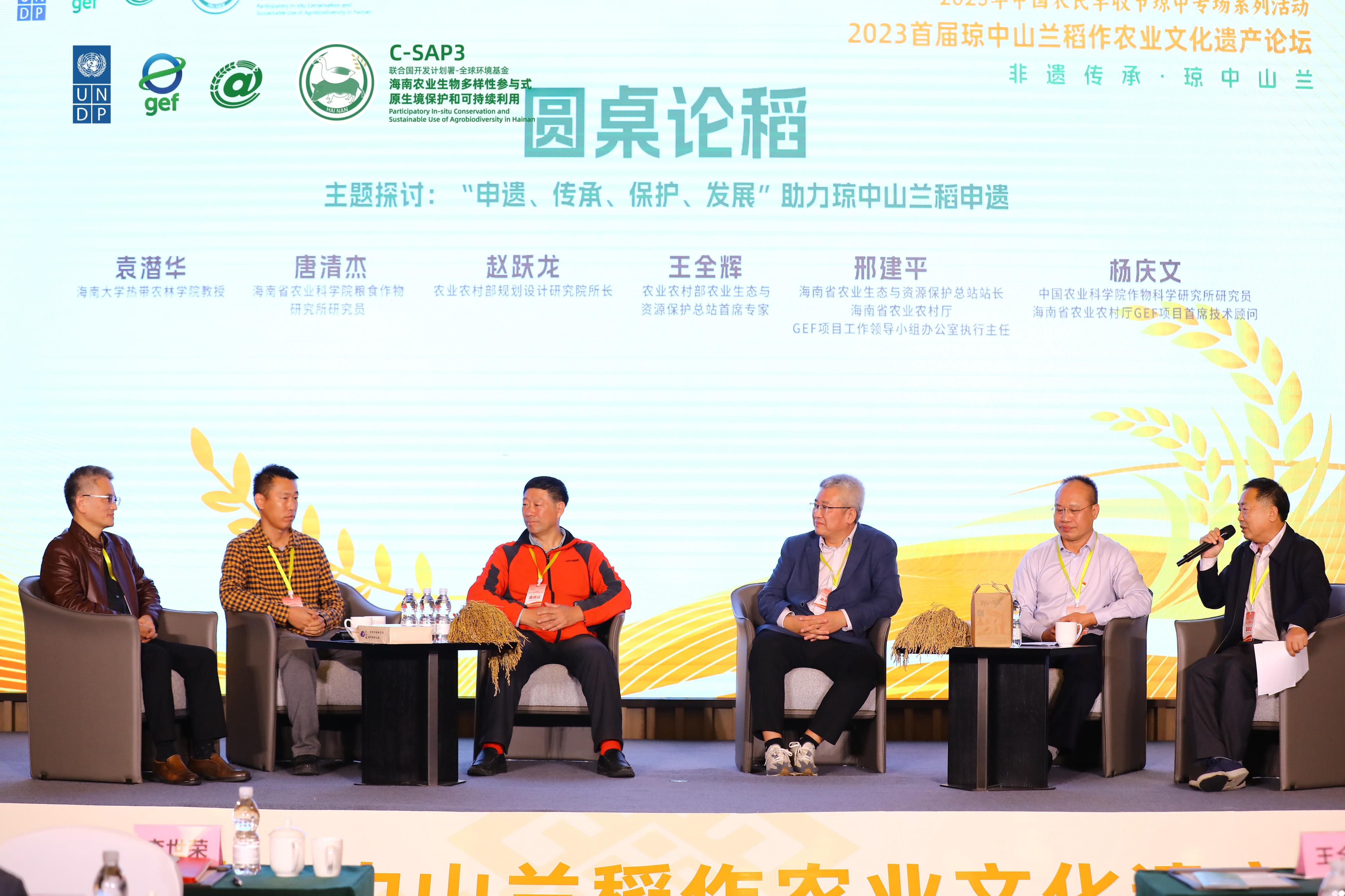
Knowledge, attitudes and practices improved, and knowledge management structures enhanced to broaden participation in the conservation and sustainable use of GRFA.
Through the construction of a provincial database on agrobiodiversity and APPs and websites for the 3 GRFA varieties, WeChat official account of the project, preparation of annual timelines of the project, broadcasting activities through Hainan TV, and meetings and exchange activities etc., the effective communication among the stakeholders and with the C-SAP Program projects has been expanded, and the understanding of farmers and other key stakeholders on the value of the endemic GRFA varieties and importance of in-situ conservation and utilization, and more importantly, farmers’ access to information, has been improved. As a result, stimulating wider participation in the conservation and sustainable use of agrobiodiversity in Hainan.
Enabling factors
1)The participation of local media is crucial for the knowledge management and dissemination of the project outcomes.
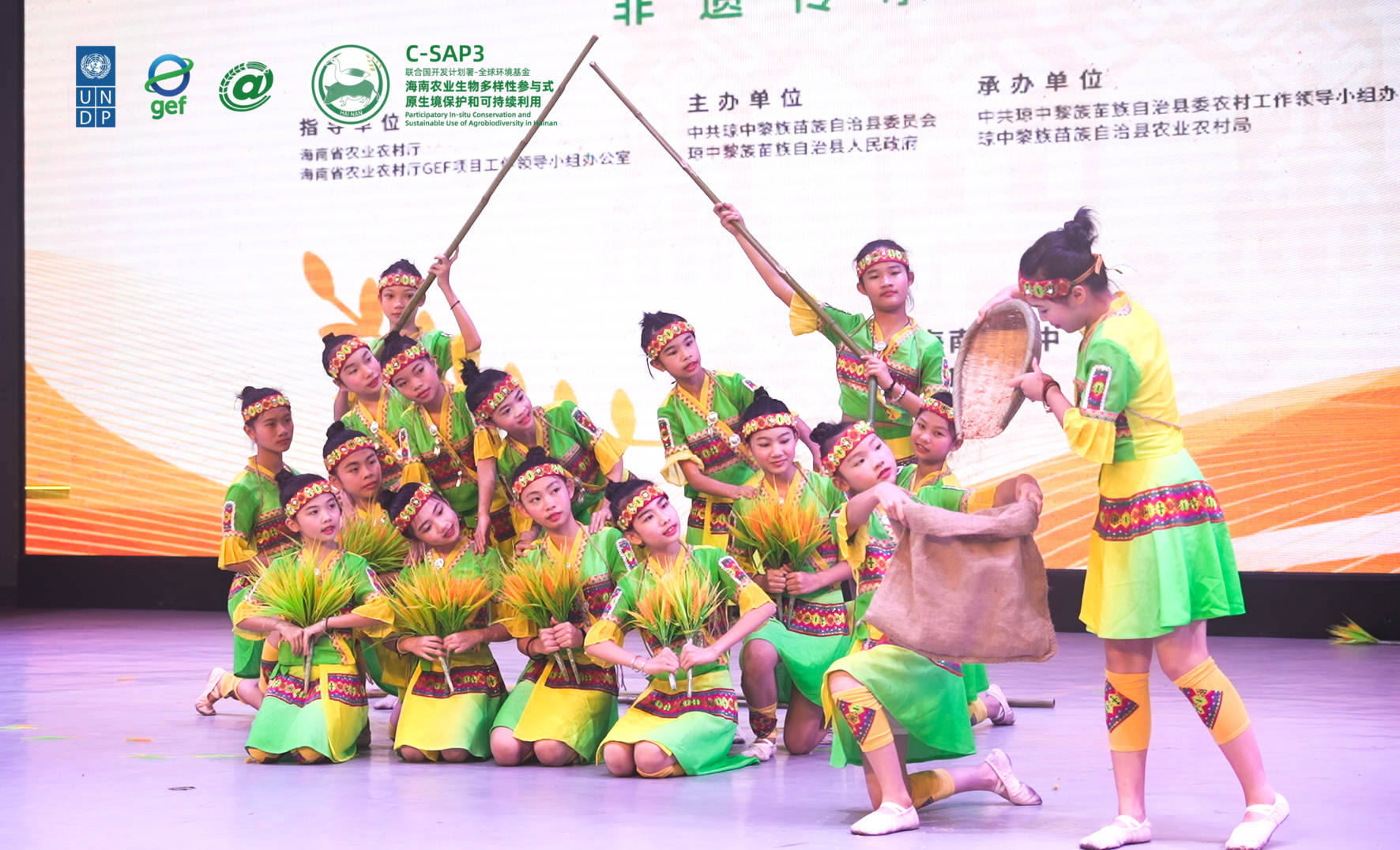
2)Through activities such as the Shanlan rice planting ceremony, the establishment of farmers' field schools, science popularization for students, the construction and operation of community seed banks, livestock competitions, and cooking competitions, the confidence and identity of ethnic cultures has been enhanced, public awareness raised, contributing to conservation and utilization of GRFA.
Lesson learned
Awareness raising activities targeting young people can be combined with multiple fields such as science popularization education, art education, and experience of field farming activities.
New media is an effective way to engage stakeholders, in particular, farmers in the conservation and sustainable use of GRFA, helping them access to information and resources.
Impacts
Provincial and county/city GRFA coordination committees have promoted cross-sector collaboration. Integrating relevant strategies into Hainan's Biodiversity Plan (2023–2030) and other plans has mainstreamed agrobiodiversity conservation. Guidelines for eco-compensation funds and pilot efforts offer valuable references for policy and legislation. GRFA conservation (Shanlan rice, Jiaji duck, Wuzhishan pig) has been strengthened through incentives: seed banks, livestock competitions, trade fairs, new tech dissemination, and 62 farmer trainings. Initiatives like eco-compensation and marketing chains have enhanced farmers' livelihoods and promoted in-situ conservation. Staff capabilities improved via training. Best practices extended to 2 new areas. Public awareness raised through education, improving farmer info access. Project expanded conservation to 129,287 hectares, benefiting 7,189 farmers (44.21% women).
Beneficiaries
The main beneficiaries are the 6,574 local people living in the communities at the demonstration sites. Additionally, 615 staff members at provincial and county/city level also benefited through engaging in workshops and training courses.
Global Biodiversity Framework (GBF)
GBF Target 1 – Plan and Manage all Areas To Reduce Biodiversity Loss
GBF Target 3 – Conserve 30% of Land, Waters and Seas
GBF Target 10 – Enhance Biodiversity and Sustainability in Agriculture, Aquaculture, Fisheries, and Forestry
GBF Target 13 – Increase the Sharing of Benefits From Genetic Resources, Digital Sequence Information and Traditional Knowledge
GBF Target 14 – Integrate Biodiversity in Decision-Making at Every Level
GBF Target 18 – Reduce Harmful Incentives by at Least $500 Billion per Year, and Scale Up Positive Incentives for Biodiversity
GBF Target 19 – Mobilize $200 Billion per Year for Biodiversity From all Sources, Including $30 Billion Through International Finance
GBF Target 20 – Strengthen Capacity-Building, Technology Transfer, and Scientific and Technical Cooperation for Biodiversity
GBF Target 21 – Ensure That Knowledge Is Available and Accessible To Guide Biodiversity Action
GBF Target 22 – Ensure Participation in Decision-Making and Access to Justice and Information Related to Biodiversity for all
GBF Target 23 – Ensure Gender Equality and a Gender-Responsive Approach for Biodiversity Action
Sustainable Development Goals
SDG 1 – No poverty
SDG 2 – Zero hunger
SDG 5 – Gender equality
SDG 10 – Reduced inequalities
SDG 13 – Climate action
SDG 15 – Life on land
SDG 17 – Partnerships for the goals
Story
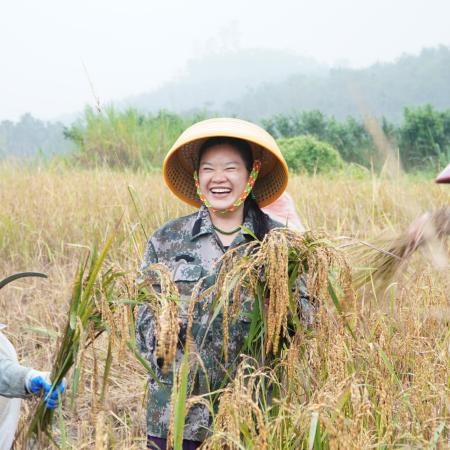
Reap the Shanlan rice
Department of Agriculture and Rural Affairs of Hainan Province
Hu Guilan, the chairwoman of the Lanjie Planting and Brewing Cooperative is committed to the conservation and utilization of Shanlan rice, especially the endangered purple Shanlan rice. Hu Guilan found it by chance in a farm household and asked a handful of seeds, with which she started reproduction and later expanded cultivation. With the support of the project, she has made great efforts to collect about 20 varieties of Shanlan rice, of which some were used for cooking rice, some for making dumplings and some for wine making. She carries out Shanlan rice cultivation in 3 ways. 1) Collect abandoned farmland from individual households with agreements and provide with seeds and growing techniques to growers. 2) Sign agreements with 14 households and 5 village collectives and provide seeds, growing techniques and a subsidy of 300 yuan for each Chinese mu of farmland. 3) Purchase local unsold Shanlan rice with a floor price.
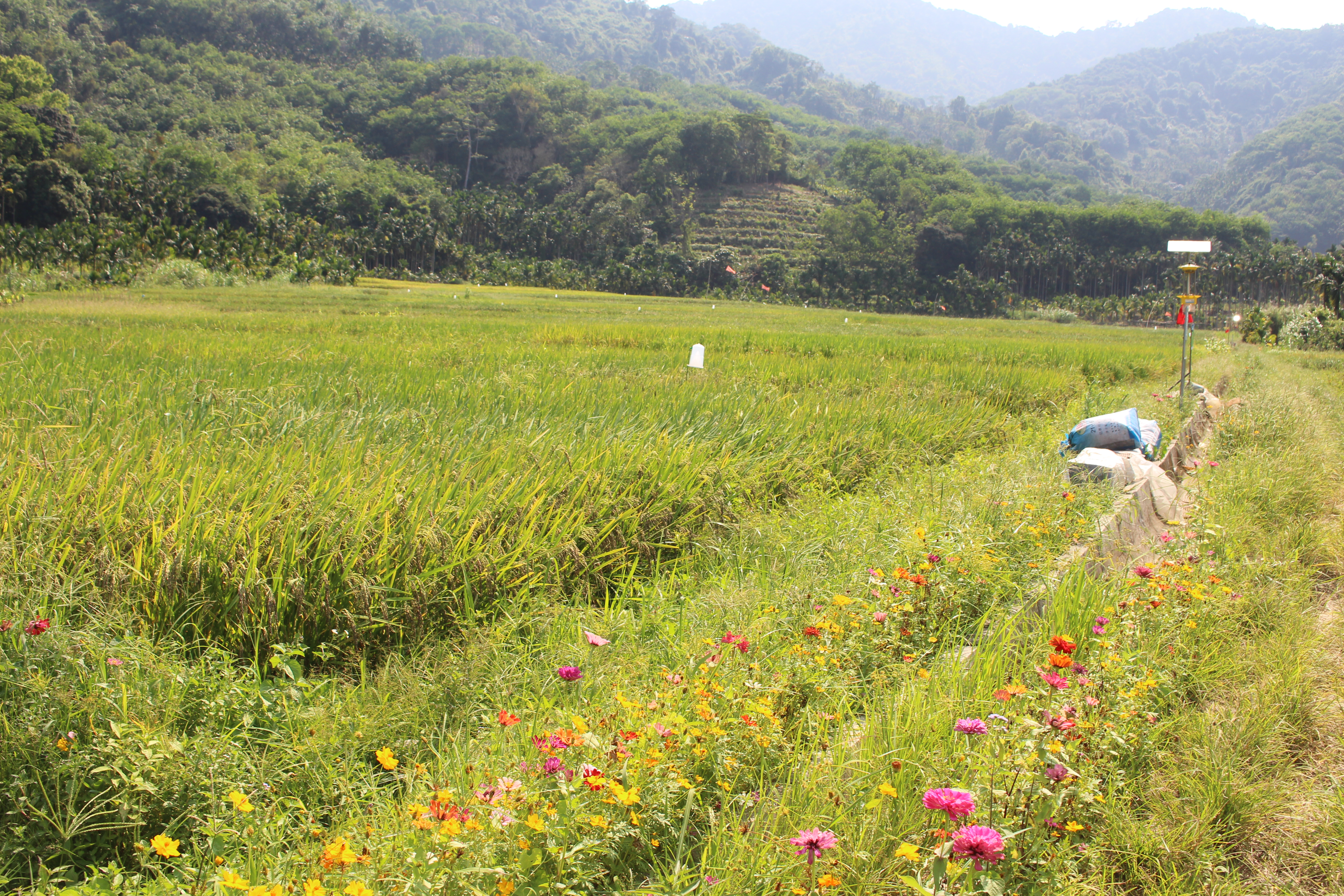
With the support of the project, four improvements have been made: 1) Nature friendly technology for Shanlan rice cultivation was introduced. Flower and grass bands were grown on ridges and banks among fields to attract insects to control pest insects and disease to reduce agrochemical use. 2) Practiced organic production on Shanlan rice. 3) Expanded operation by establishing a partnership consisting of cooperatives and individual farmers, that is, Industrial and Agricultural service Station for Farmers. 4) set up a provincial Farmer Field School for capacity building for farmers. In order to increase the market for Shanlan rice products, she has registered 2 brands for Shanlan rice and carried out marketing both on and offline, and now has her own internet-famous shop. Shanlan rice cultivation, sales as well as extended products have added vitality to her business. The model of cooperative + base + household has been formed for the conservation and sustainable use of traditional Shanlan rice genetic resources. The way she has adopted and boosted Shanlan germplasm conservation and use by food processing (Shanlan rice dumplings and wine) and industrial processing (facial mask) is promising.
Connect with contributors

Other contributors
Wang Jiabao
Department of Agriculture and Rural Affairs of Hainan Province
Ma Chaode
UNDP China
Zhao Xinhua
UNDP China
Solene Le Doze
UNDP
Ma Lijuan
Hainan Provincial Agricultural Ecology and Resource Protection Station
Xing Jianping
Hainan Provincial Agricultural Ecology and Resource Protection Station
Yang Qingwen
Chinese Academy of Agricultural Sciences
Yi Weipeng
Hainan Provincial Agricultural Ecology and Resource Protection Station
Wang Yaolin
Project Management Office, Department of Agriculture and Rural Affairs of Hainan Province
Wei Wei
Project Management Office, Department of Agriculture and Rural Affairs of Hainan Province
Cai Jingwen
Project Management Office, Department of Agriculture and Rural Affairs of Hainan Province
Yuan Qianhua
Hainan University
Zheng Xinli
Hainan Provincial Academy of Agricultural Sciences
Xu Tieshan
Chinese Academy of Tropical Agricultural Sciences
Yan Hongping
Hainan University
Zhang Xuemei
China Agricultural University
Wang Xiuwei
Hainan University
Liang Xinxi
Chinese Academy of Tropical Agricultural Sciences
Jiang Jusheng
Hainan Lianyun Environmental Management Co., Ltd.
Xue Dayuan
Minzu University of China
Chen Xiaotao
Hainan University
Gu Lihong
Hainan Provincial Academy of Agricultural Sciences
Tu Min
Chinese Academy of Tropical Agricultural Sciences
Liu Beibei
Chinese Academy of Tropical Agricultural Sciences
Ouyang Feng
Gansu Provincial Administration of Wildlife and Plants
Meng Weidong
Hainan Provincial Academy of Agricultural Sciences