Community-Based Bat Conservation and Ecotourism Development at the Three Sisters Giant Caves, Fikirini Village (Kwale, Kenya)
Full Solution
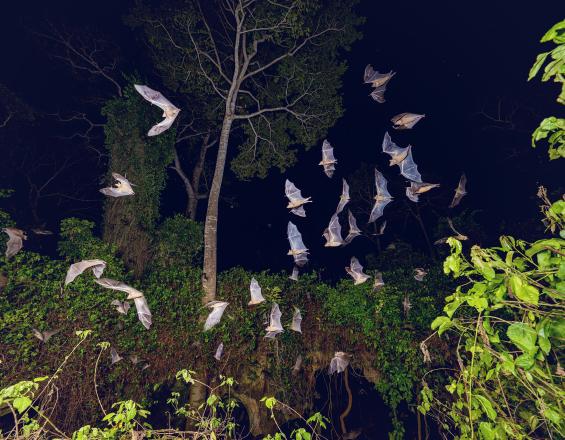
Bats exiting the caves in the evening hours
GIZ
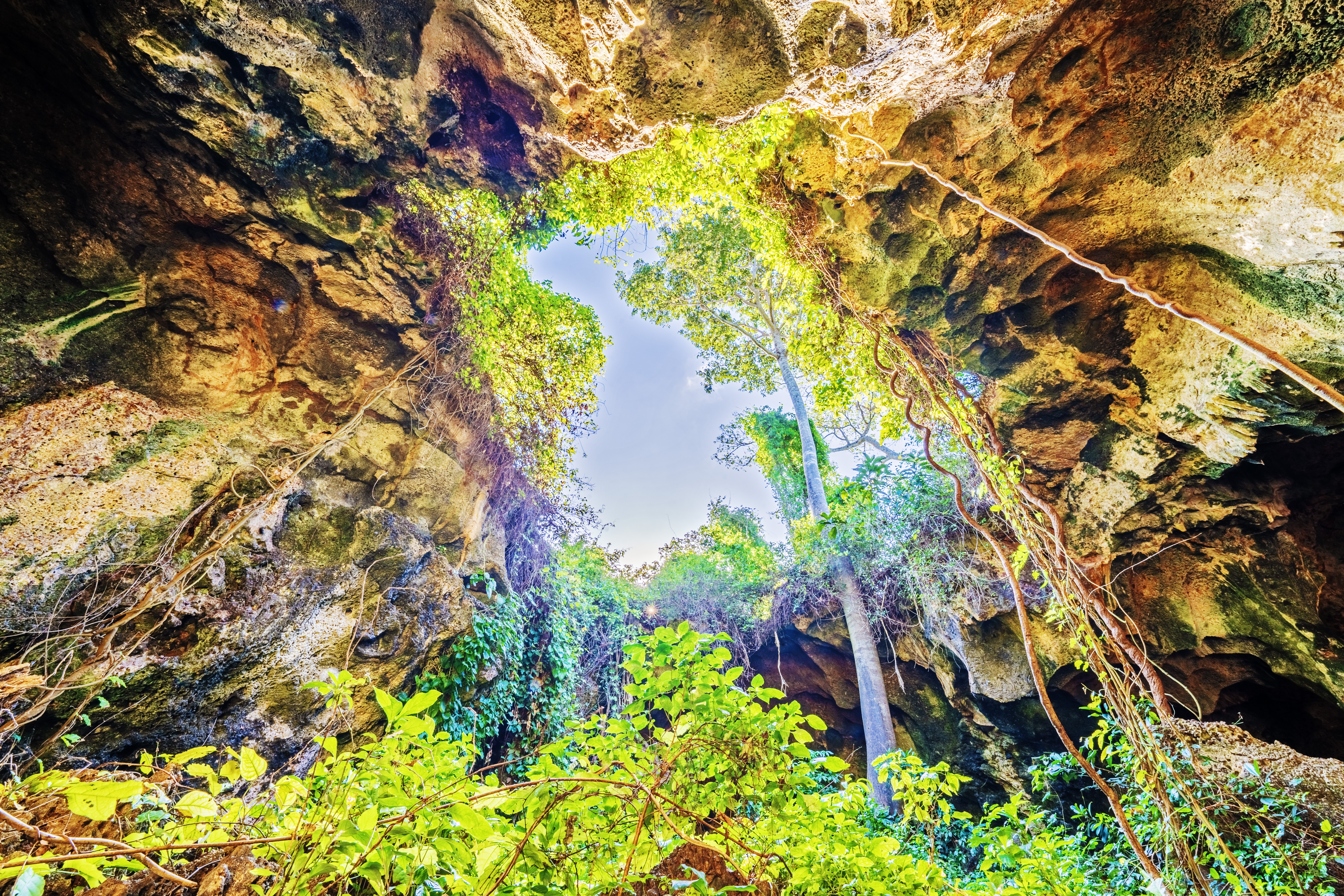
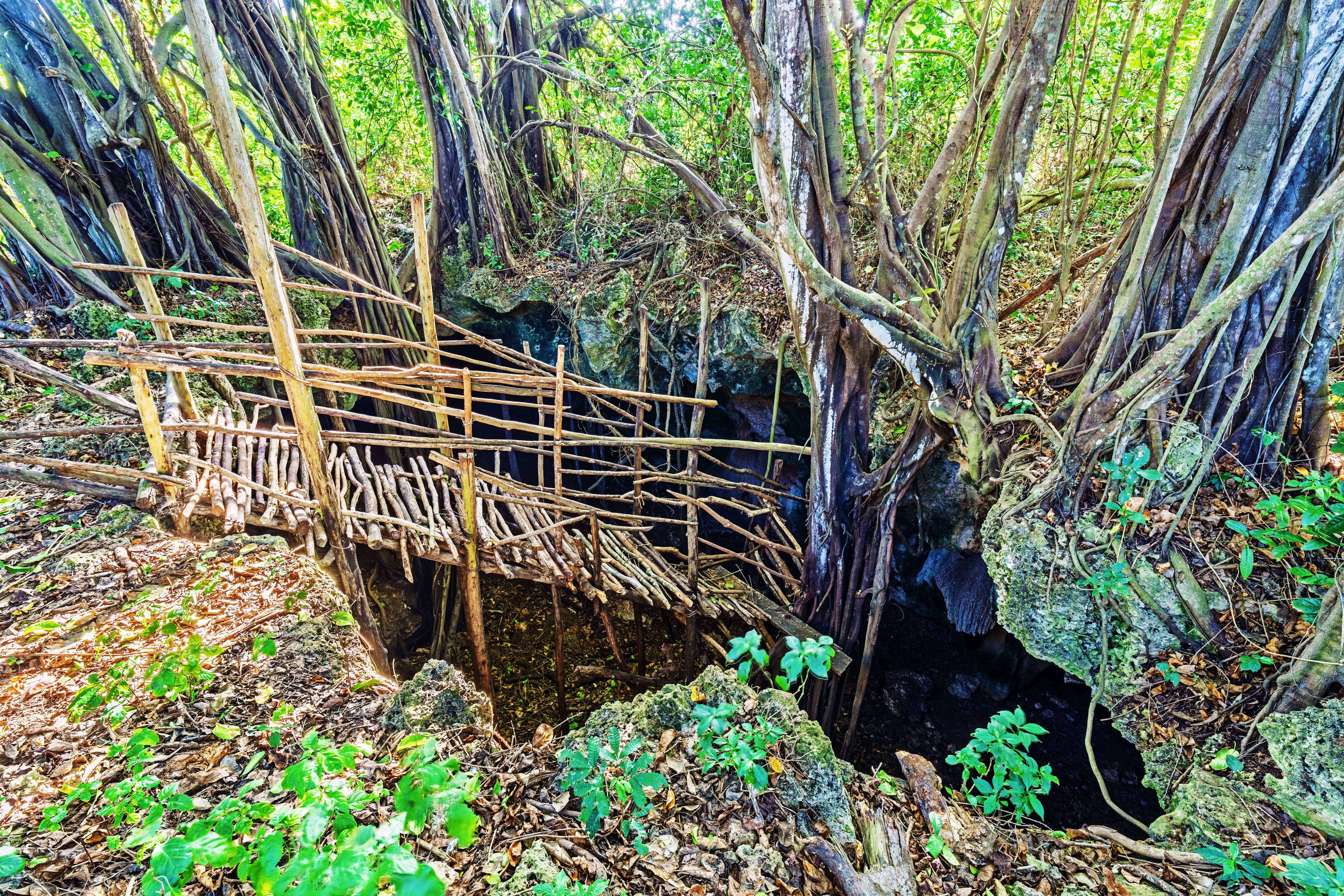
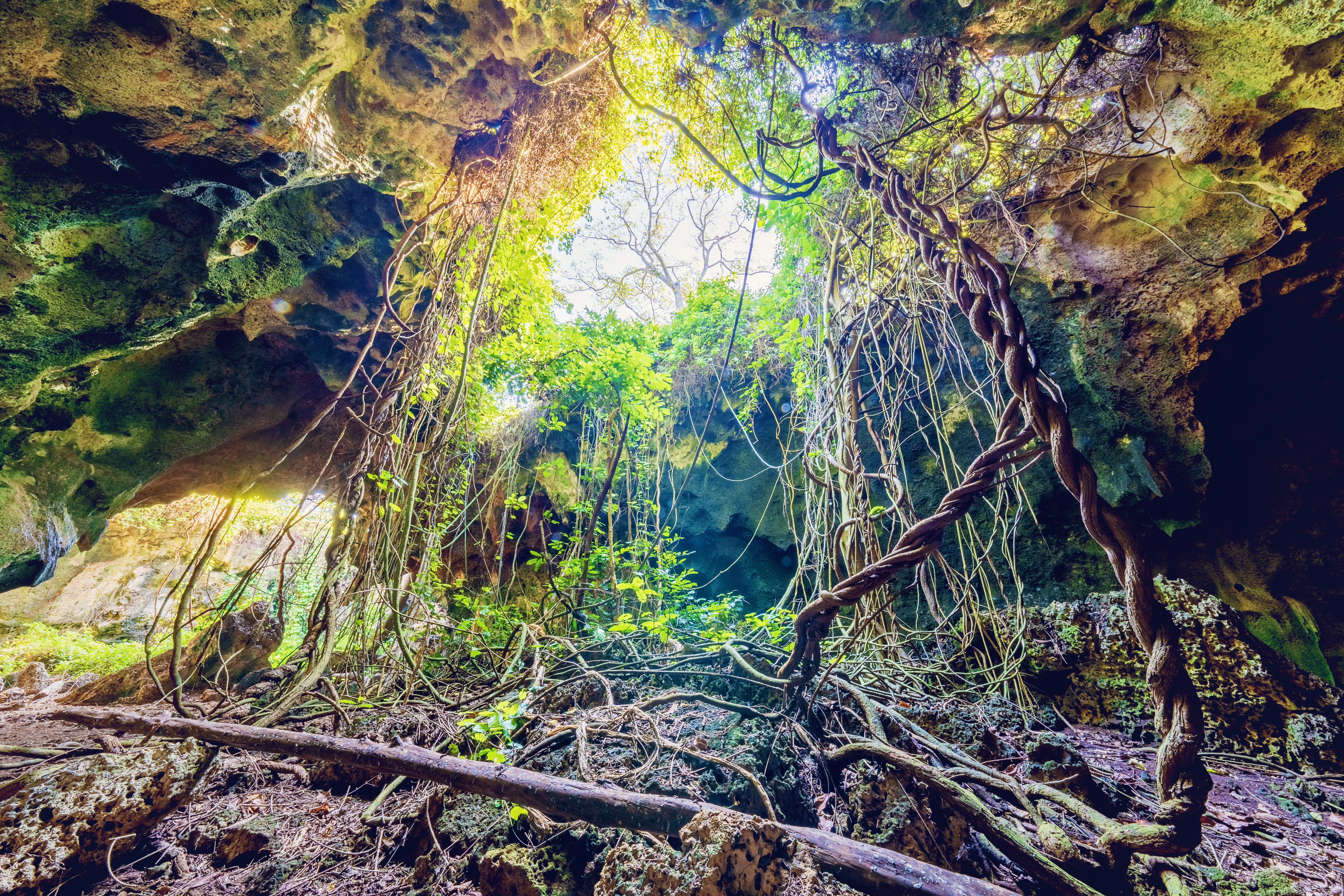
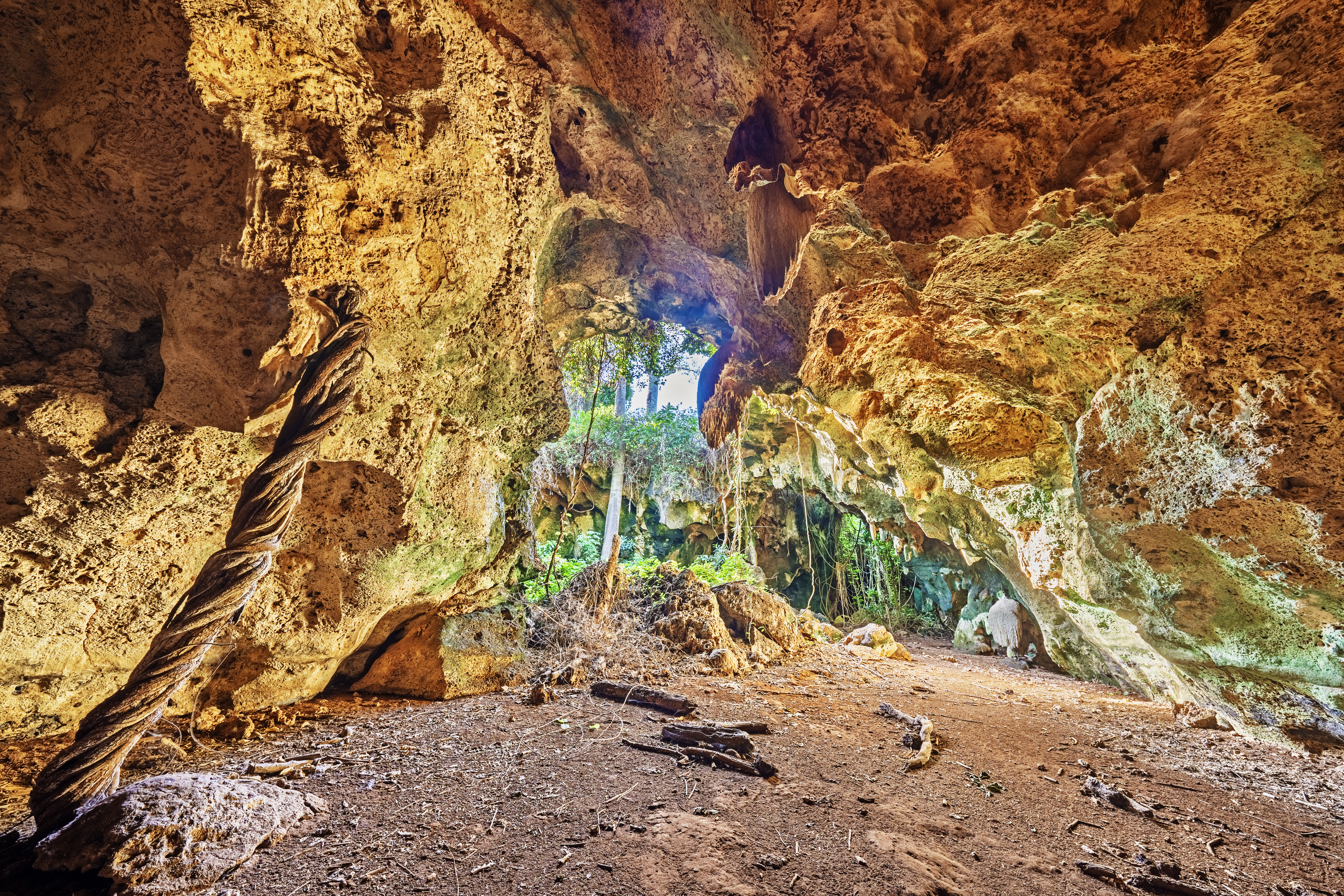
The Three Sisters Giant Caves are located in Fikirini Village, near Shimoni in Kenya’s coastal Kwale County, within a 10-hectare Kaya Forest of both ecological and cultural importance. Three caves serve as vital roosting sites for several bat species, including the Endangered Hildegarde’s tomb bat (Taphozous hildegardeae), while a fourth cave is reserved for community spiritual practices. Degradation from deforestation, fires, and unsustainable guano harvesting has threatened the site’s integrity. In response, the Tswaka Three Sisters Giant Caves Community-Based Organization (CBO), supported by Bat Conservation International (BCI) and local partners, initiated a community-led effort to restore habitats, enhance protection, and develop eco-tourism as an alternative livelihood pathway that links biodiversity conservation with local economic and cultural resilience. This activity was financed under the GIZ-led IKI Kwale – Tanga Transboundary protection and sustainable management of the marine and coastal regions project.
Last update: 21 Nov 2025
134 Views
Context
Challenges addressed
The Three Sisters Giant Caves and surrounding Kaya Forest have faced increasing degradation caused by deforestation, fires, and unsustainable guano harvesting. These pressures have reduced vegetation cover, disturbed key bat roosts, and weakened the ecological integrity of the site. Several bat species are now at risk due to habitat loss and human disturbance. At the same time, community members have limited livelihood opportunities, relying mainly on small-scale farming that yields low returns and contributes to further land degradation. The absence of sustainable income options and formal protection status for the caves created a strong need for an integrated approach combining conservation, ecological restoration, and eco-tourism development to safeguard biodiversity while supporting local wellbeing.
Location
Shimoni, Pongwe, Kwale, Kenya
East and South Africa
Process
Summary of the process
The building blocks form a process to transforms a locally initiated conservation idea into a sustainable community-based eco-tourism model.
The feasibility study provided the scientific and market foundation, confirming that the Three Sisters Giant Caves could become part of a wider coastal tourism circuit. Based on these insights, targeted capacity building on tourism, storytelling, and snake awareness equipped community members with practical skills to develop visitor-ready products while ensuring safety and biodiversity protection.
Organizational and operational training strengthened the Community-Based Organization’s governance and management structures, ensuring that new tourism ventures could be operated transparently and inclusively. These institutional capacities enabled the community to coordinate the next phases: ecological restoration to rehabilitate degraded habitats and enhance tourism appeal, and marketing support to promote the site.
Together, the building blocks are mutually reinforcing. Ecological restoration safeguards the natural assets that tourism depends on, capacity building ensures professional service delivery, and marketing connects the community’s conseconservation success with visitors.
Building Blocks
Feasibility Study for an Eco-tourism circuit ventures
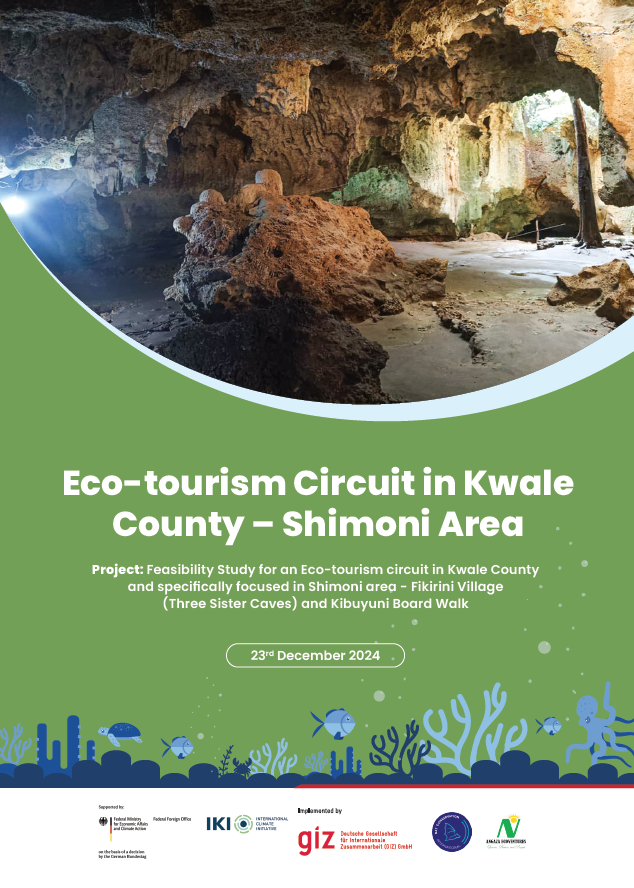
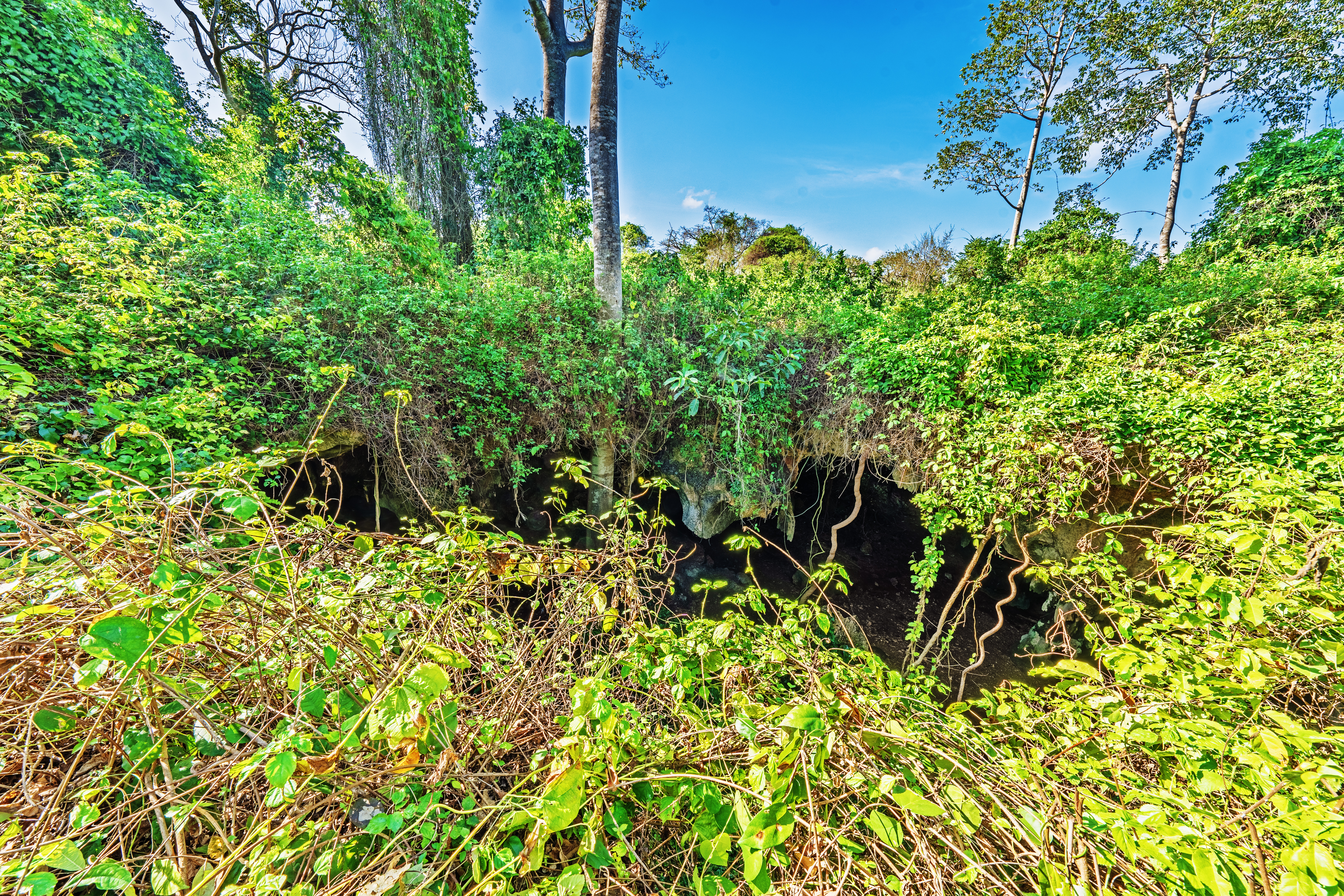
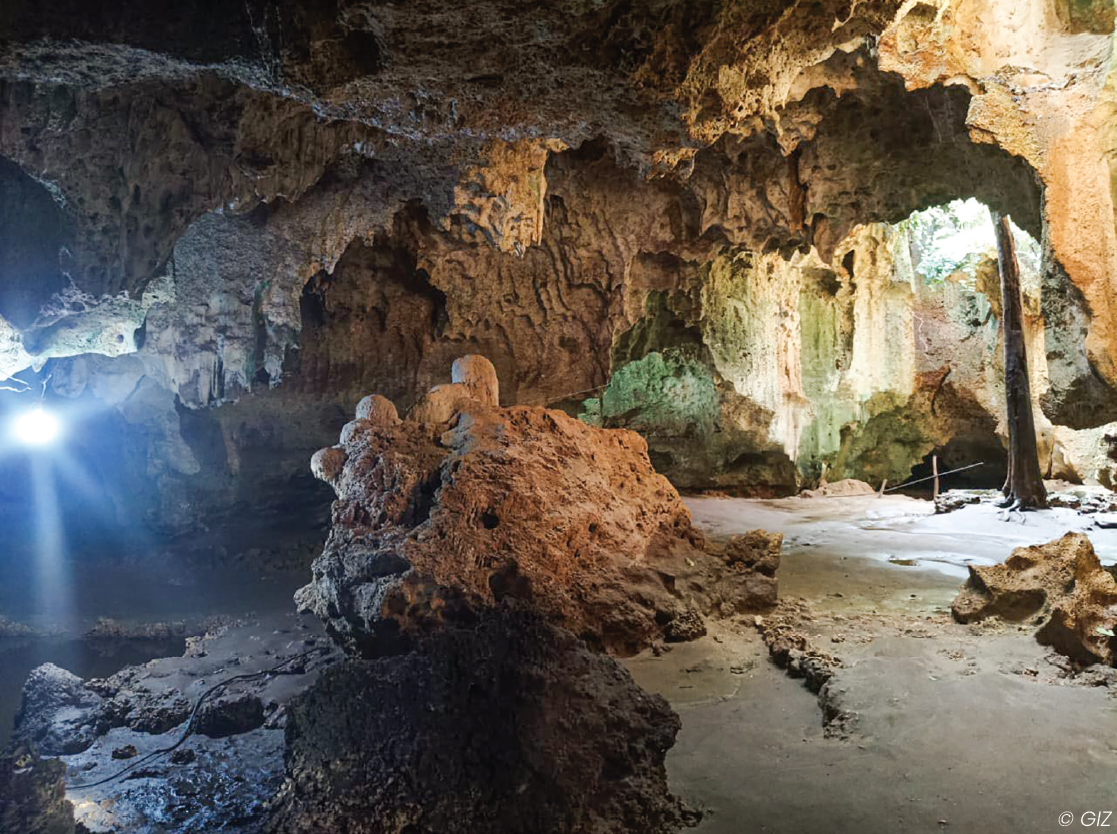
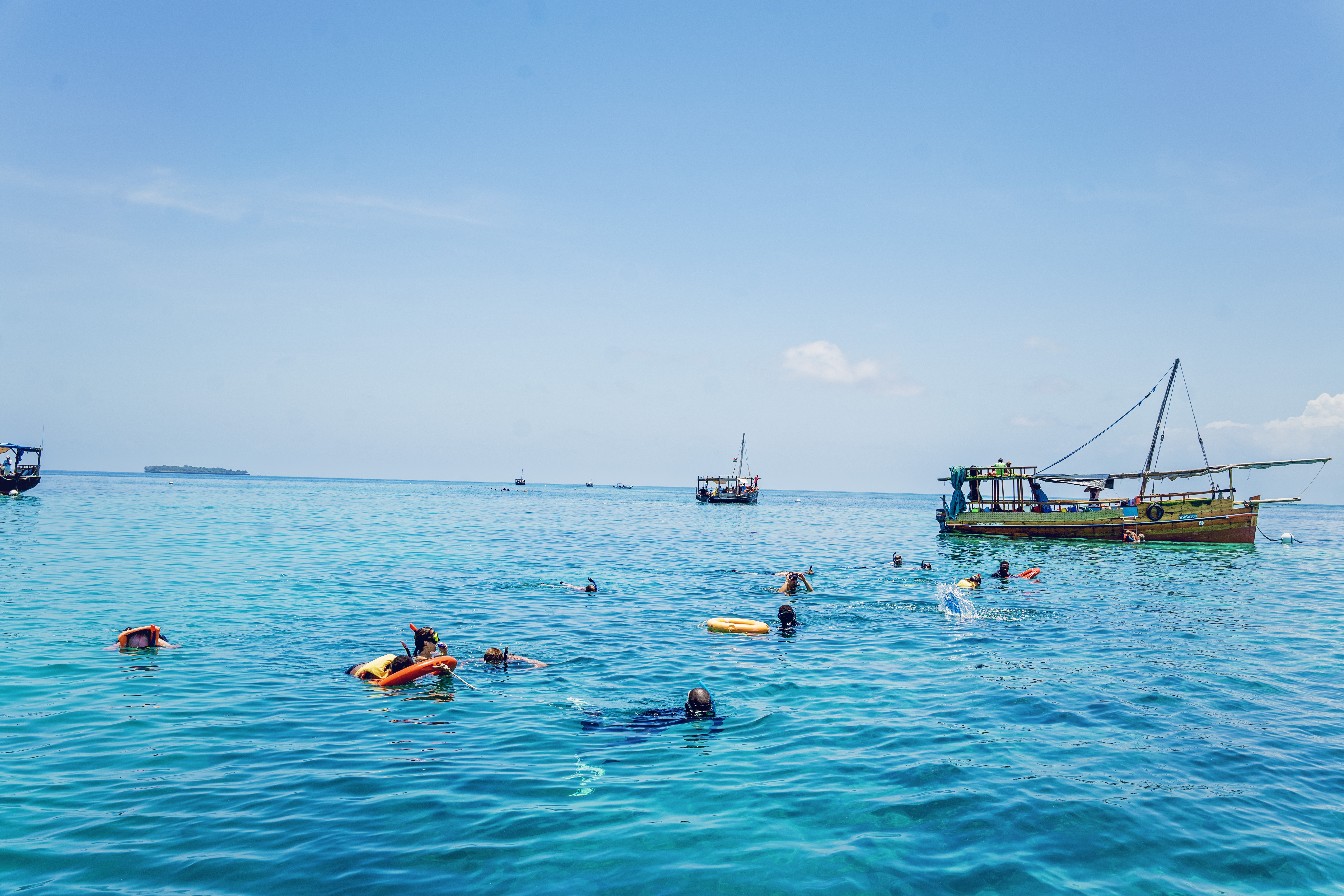
To guide sustainable bat conservation and community development, a feasibility study was launched to assess the eco-tourism potential of the Three Sisters Giant Caves in Fikirini Village. The 10 hectare site, Kaya Forest area containing four caves (three key roosts for several endangered bat species and one used for spiritual practices), faces serious degradation. Using field surveys, stakeholder consultations, and market analysis, the study evaluated the ecological, cultural, and economic value of the 10-hectare Kaya Forest that hosts the Three Sisters Giant Caves.
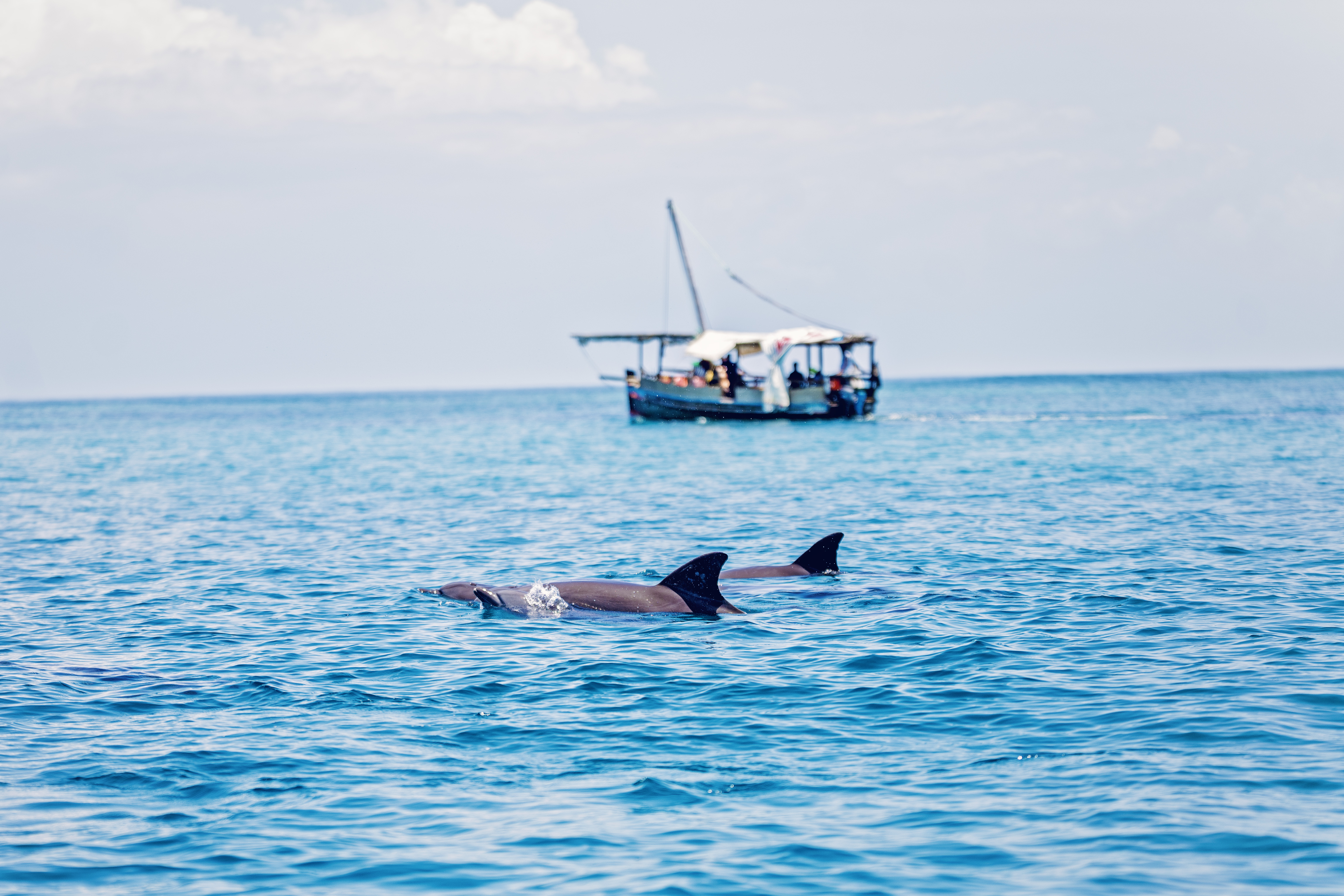
The assessment further identified poor access roads, lack of signage, and limited tourism infrastructure as key barriers that need to be addressed through joint community and county government efforts. The study confirmed that despite degradation the area retains strong biodiversity and cultural appeal. It recommended developing a low-impact, community-managed tourism circuit linked to nearby attractions such as Kisite Mpunguti Marine Park, Wasini Island, and Kibuyuni Board Walks to diversify livelihoods, enhance conservation, and promote local heritage.
Enabling factors
- Combined ecological, cultural, and economic dimensions to identify realistic income streams while safeguarding biodiversity
- Alignment with existing tourism hubs in Shimoni increased visibility and connectivity, strengthening market potential
- The communitys pledge to cease harmful land use practices created strong local buy-in for conservation-linked livelihoods
Lesson learned
- Early ecological and market assessments prevent overestimation of tourism potential and manages expectations
- Cultural and spiritual values must be integrated into tourism planning to maintain community trust and site integrity
- Participatory studies build shared understanding between conservationists, community members, and government stakeholders, enabling realistic, sustainable planning
- Viability depends on scale and integration: smaller community sites thrive when linked to regional tourism circuits rather than operating in isolation
Community capacity building on tourism, storytelling and snake awareness
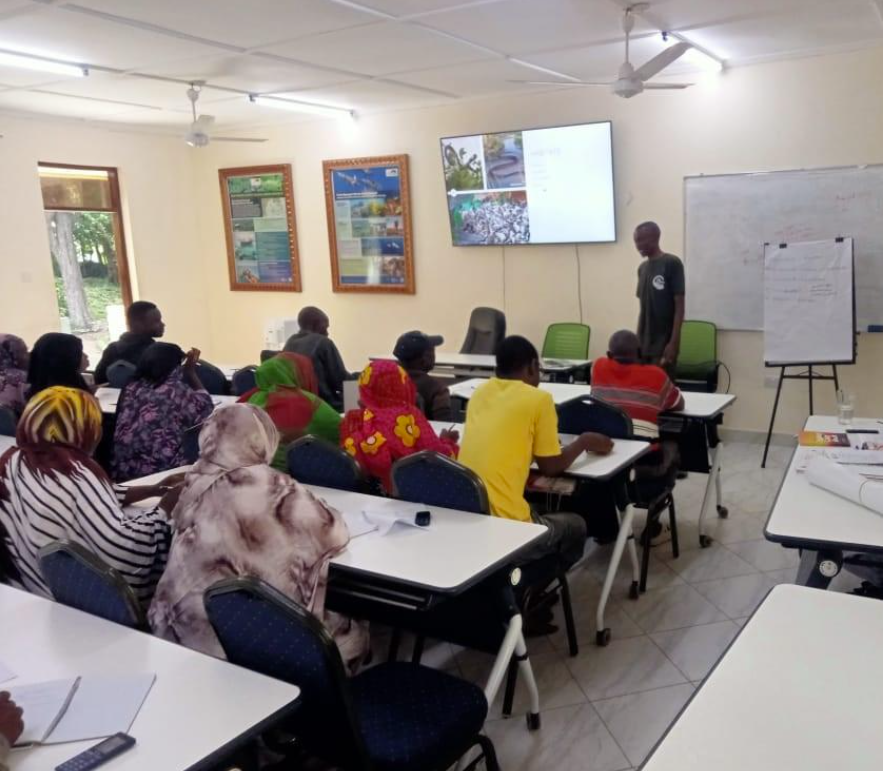
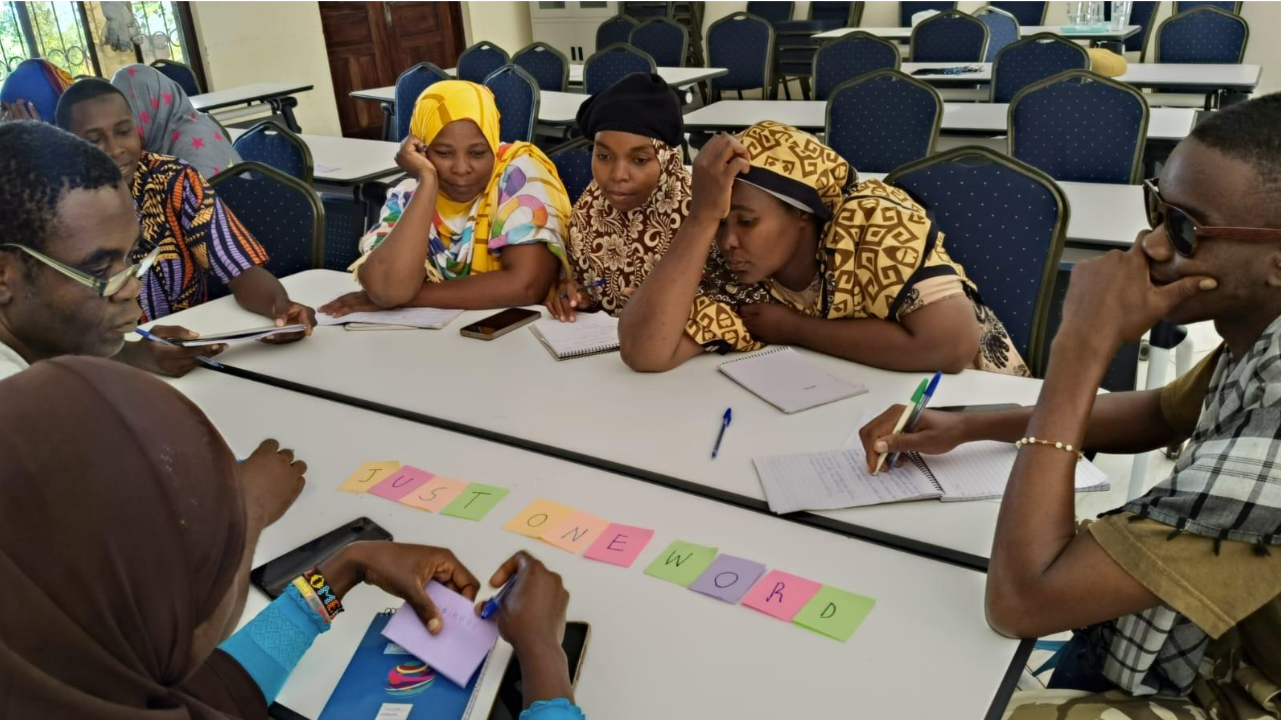
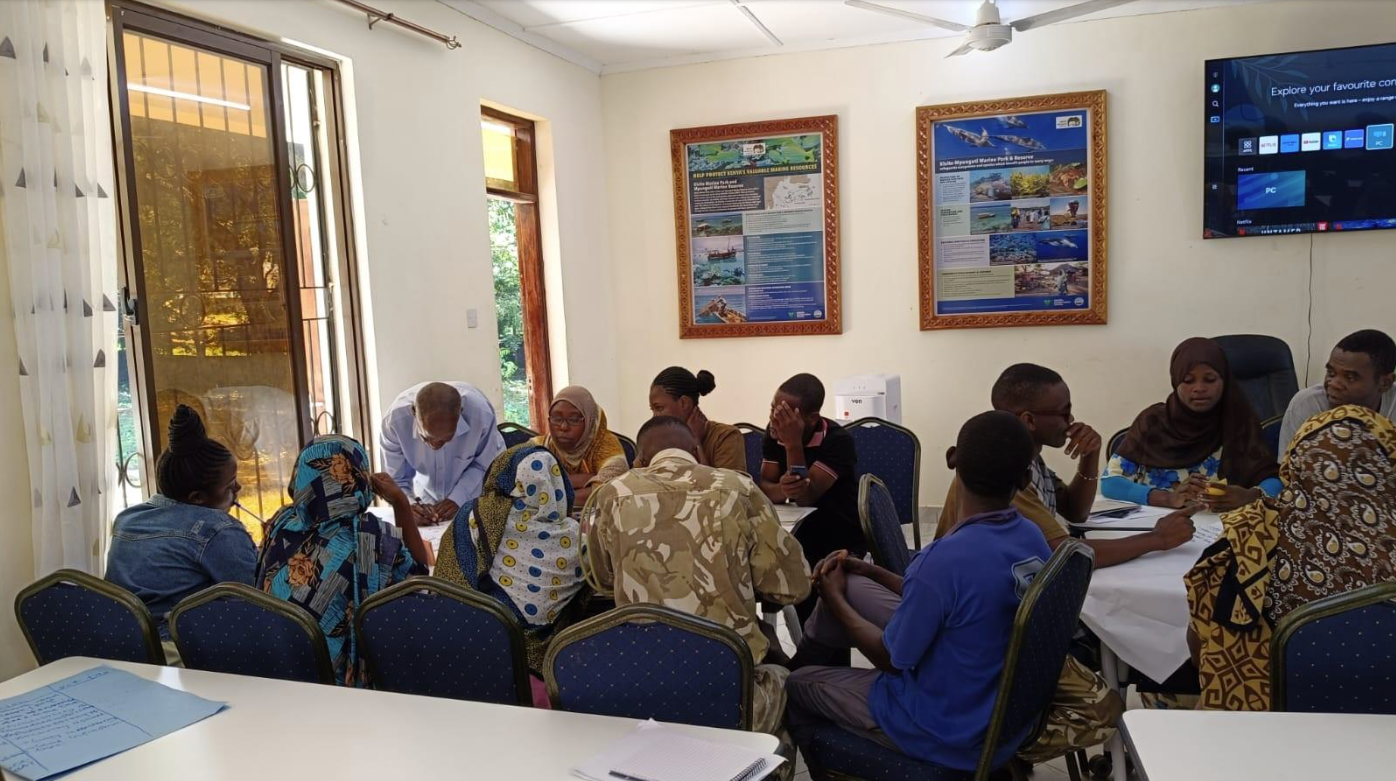
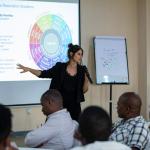
Following the feasibility phase, community members participated in an intensive, week-long training covering sustainable tourism, storytelling, digital marketing, customer engagement, snake awareness, and first-aid. The training brought together a total of 24 participants, carefully selected to represent a diverse cross-section of the local tourism and conservation ecosystem. The cohort reflected a strong commitment to gender inclusion, with approximately 60% of the participants being women, ensuring that female voices and leadership were central to discussions on sustainable tourism development. The goal was to prepare local guides and entrepreneurs to host visitors safely, communicate conservation messages effectively, and build a positive visitor experience. Sessions were facilitated by experts in communication, tourism sustainability, and wildlife safety, using participatory and experiential learning techniques. The sessions helped participants connect their cultural heritage and biodiversity assets with concrete visitor experiences, such as the “Snake Awareness & Safety Experience” and cave-based storytelling trails.
Enabling factors
- Mixing different skills like biodiversity safety, conservation and tourism for a holistic capacity building
- Interactive learning methods, like role play and storytelling practice, supported confidence in and inclusivity of the training
- Inclusion of women and young participants allowed them to take leading roles in developing stories and tourism product ideas
- Activities in the training used real-life examples from nearby community-led tourism concepts to translate complex training contents like marketing into relatable information
Lesson learned
- Practical, participatory training methods significantly increase knowledge retention across varying literacy levels
- Conservation concepts gain meaning when linked to tangible income opportunities (e.g., guiding or storytelling)
- Safety training built community confidence to coexist with wildlife rather than fear it
- Digital marketing exposure was very relevant topic for the participants but limited by lack of devices and internet access and additional mentorship would be needed to allow continued learning and appropriate usage
Building Organizational and Operational Capacity for Community-Based Tourism Management
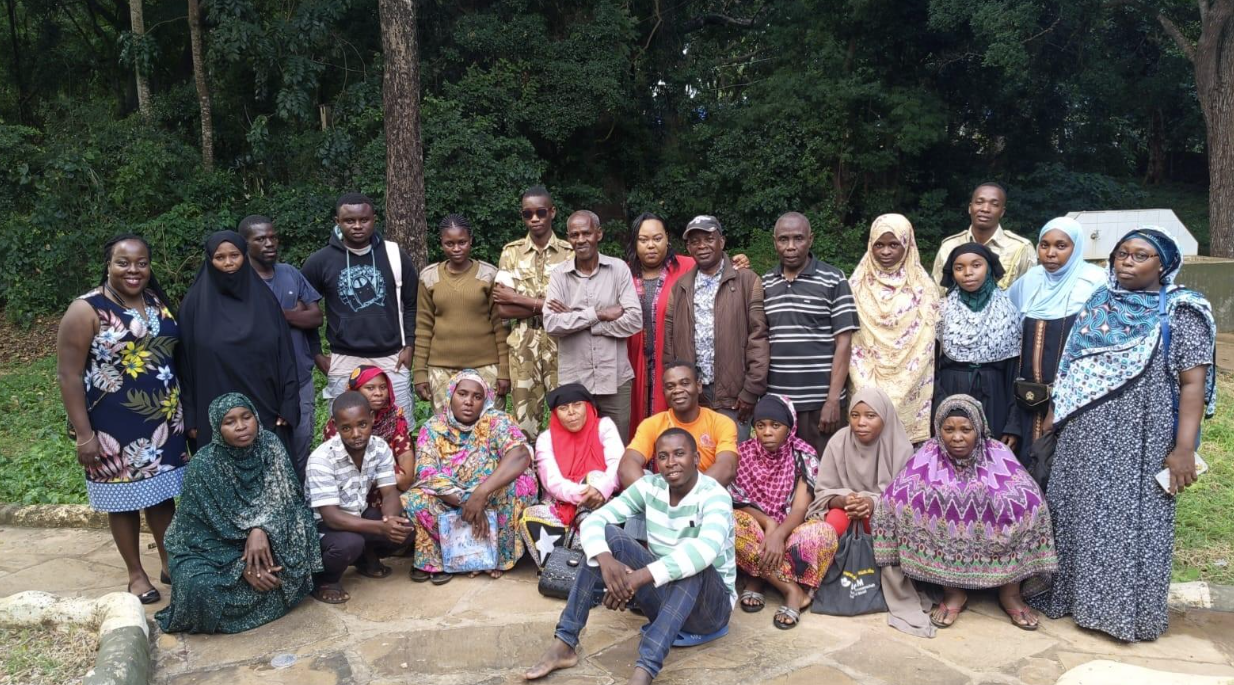
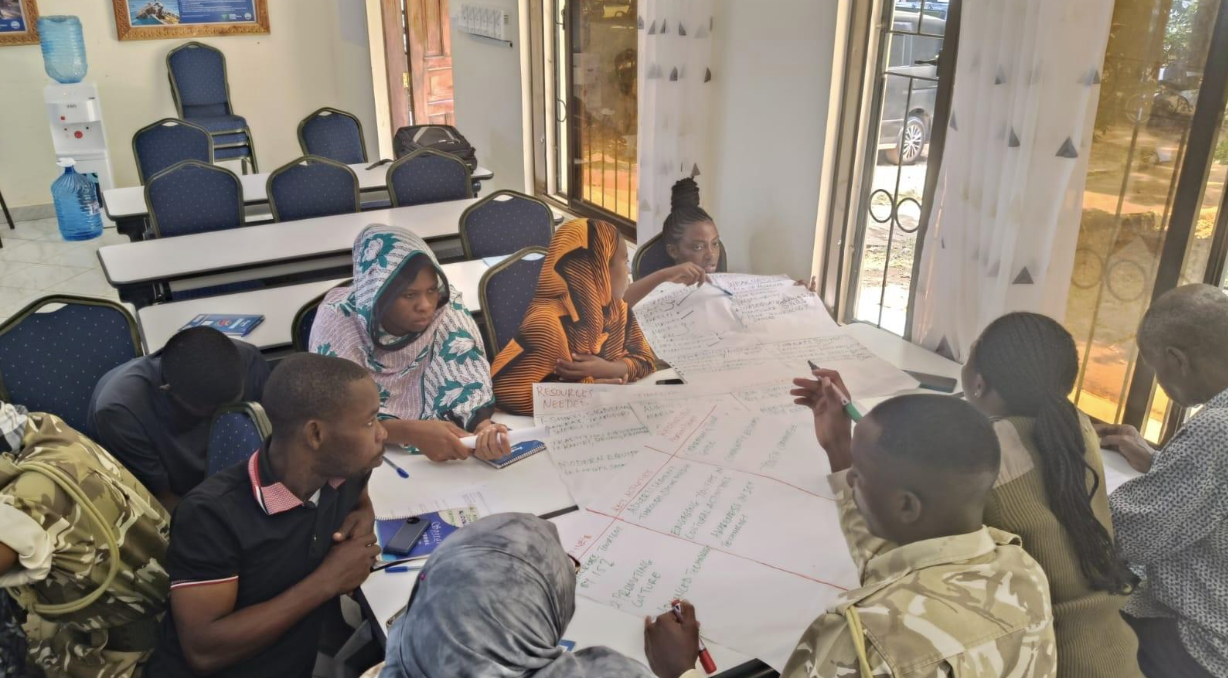
The organizational and operational capacity-building component aimed to transform the Tswaka Three Sisters Giant Caves Community-Based Organization (CBO) from an informal custodianship group into a structured and accountable Community-Based Tourism Organization (CBTO) capable of managing, governing, and marketing its own tourism enterprise.
Training sessions focused on leadership, governance, financial management, partnership coordination, conflict resolution, and benefit-sharing mechanisms. Participants learned the fundamentals of institutional development, e.g. how to register the organization, define member roles, maintain transparent records, and coordinate with partners such as the Kenya Wildlife Service (KWS), BCI, and county authorities.
Through guided exercises, participants co-created an action plan outlining working groups for marketing, product development, and conservation storytelling. This plan formalized operational roles and responsibilities, ensuring that women and youth could take leadership positions. By linking governance to conservation outcomes, the CBO strengthened its ability to act as a bridge between community aspirations and ecosystem stewardship within the wider Kwale-Tanga coastal corridor.
Enabling factors
- Step-by-step guidance on registration, governance, and financial transparency enabled the CBO to operate formally and attract external partnerships
- Interactive sessions fostered trust and inclusivity, with 60 % female and strong youth representation in leadership roles.
- Joint participation of community members and KWS officers built cross-sector relationships essential for co-management of natural resources
- CBTO Action Plan defined concrete working groups, timelines, and accountability mechanisms to sustain progress beyond the training period!
Lesson learned
- Institutional capacity is as critical as technical skills, because without sound governance, community tourism initiatives risk stagnation despite strong enthusiasm
- Hands-on exercises such as drafting bylaws or role-playing executive meetings translated theory into applicable management tools
- Transparent financial and decision-making systems foster trust and reduce (future) internal conflict
- Sustained mentorship and refresher training are needed to strengthen emerging leadership
Ecological Restoration of conservation site
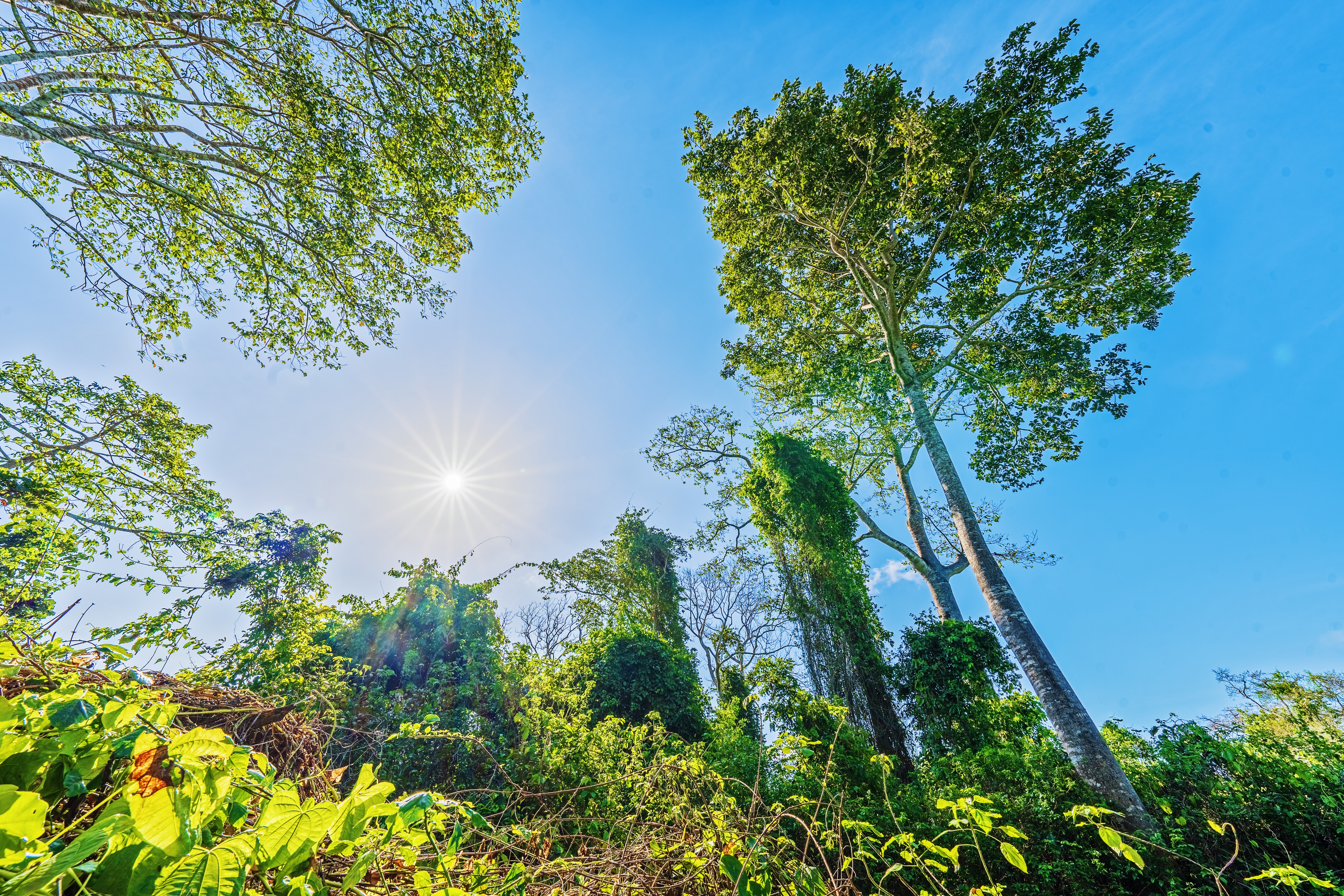
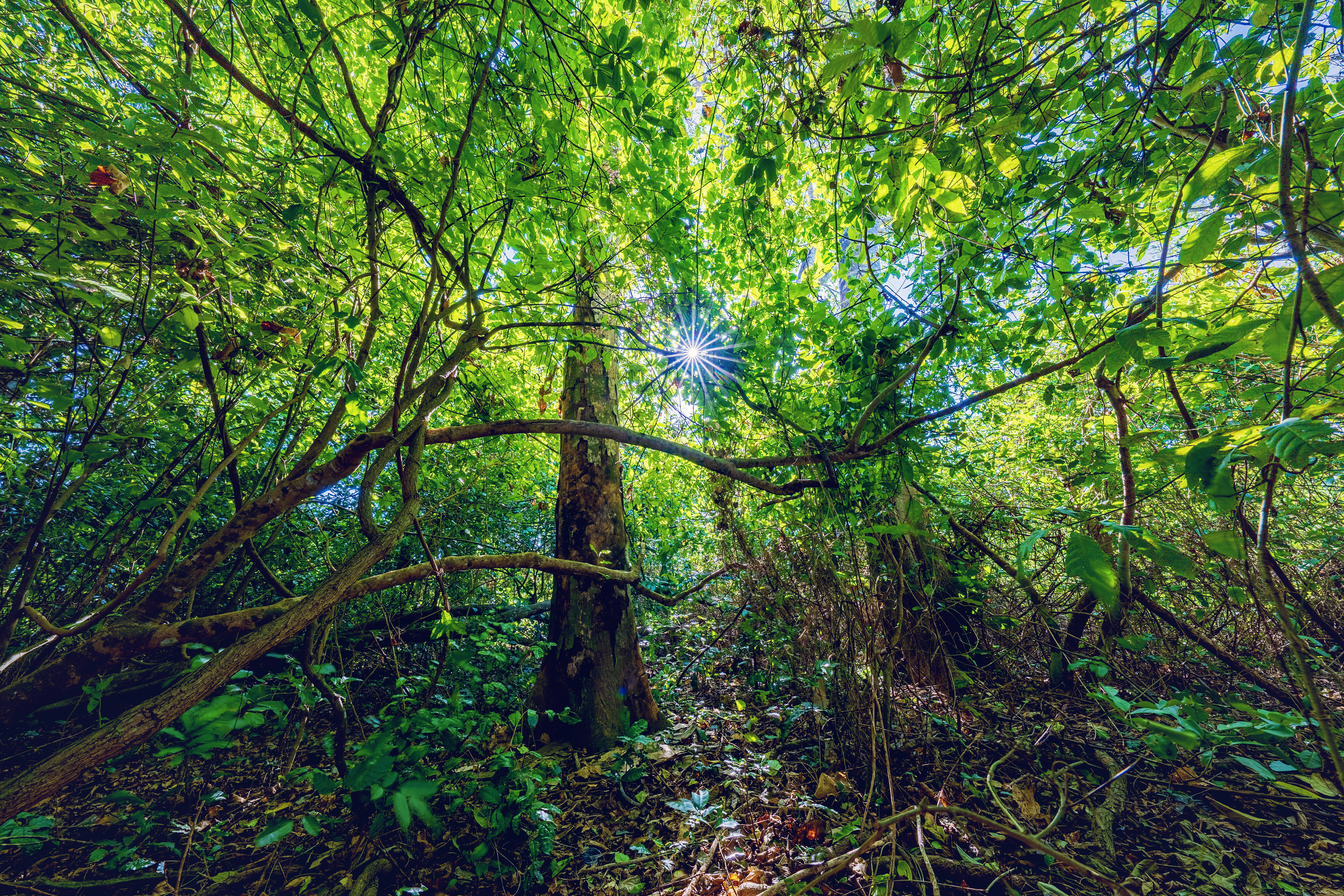
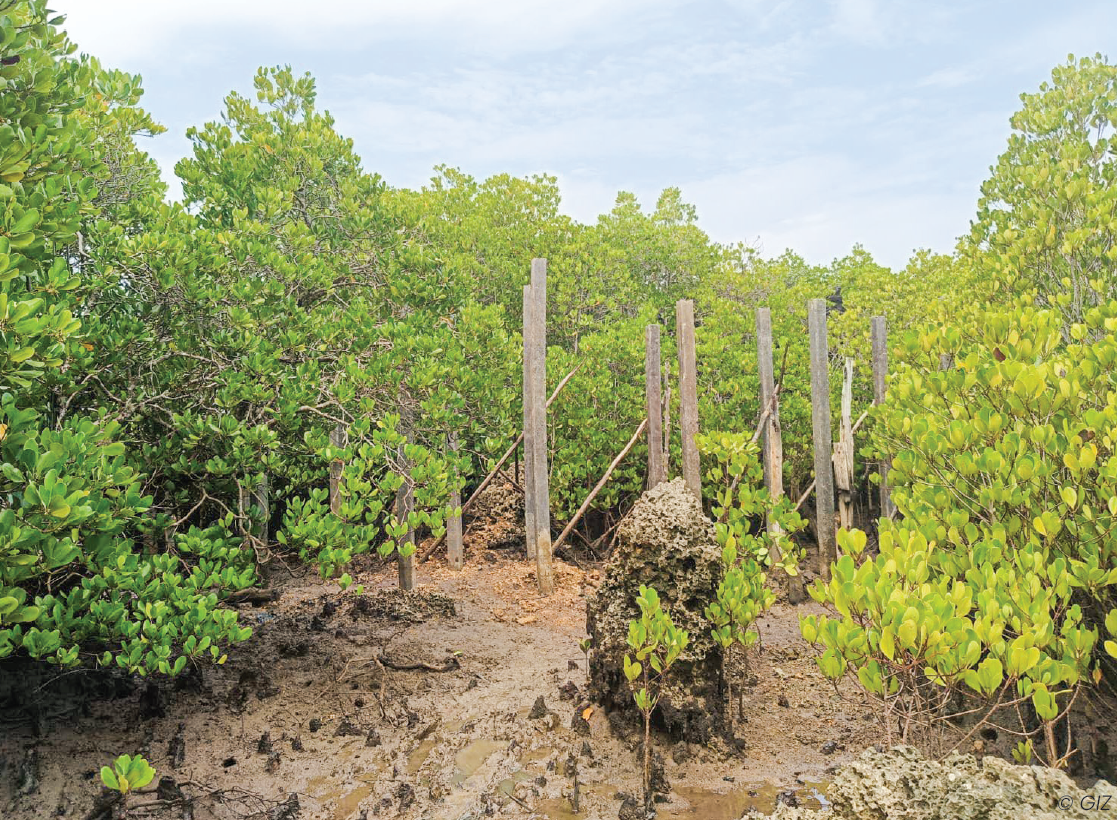
As parts of the forest surrounding the Three Sisters Giant Caves had become degraded due to past deforestation and unsustainable land use, the community decided to initiate tree-planting activities to restore ecosystem health and strengthen bat habitats. With logistical support from project partners, the Tswaka Three Sisters Giant Caves CBO could intensify their reforestation efforts aimed at improving both ecological functionality and tourism appeal. The restoration of native vegetation not only contributes to the protection of endangered bat species but also enhances the scenic value of the area, making it more attractive for visitors seeking authentic nature-based experiences. In cooperation with the community-led tree nursery, the community was able to replant two acres of native tree species in Kaya Forest.
Enabling factors
Communities should be in the driver seat of restoration efforts to allow for sustainable results. Local tree nurseries supplying native species are vital to ensure availability of seedlings.
Promotion and marketing support
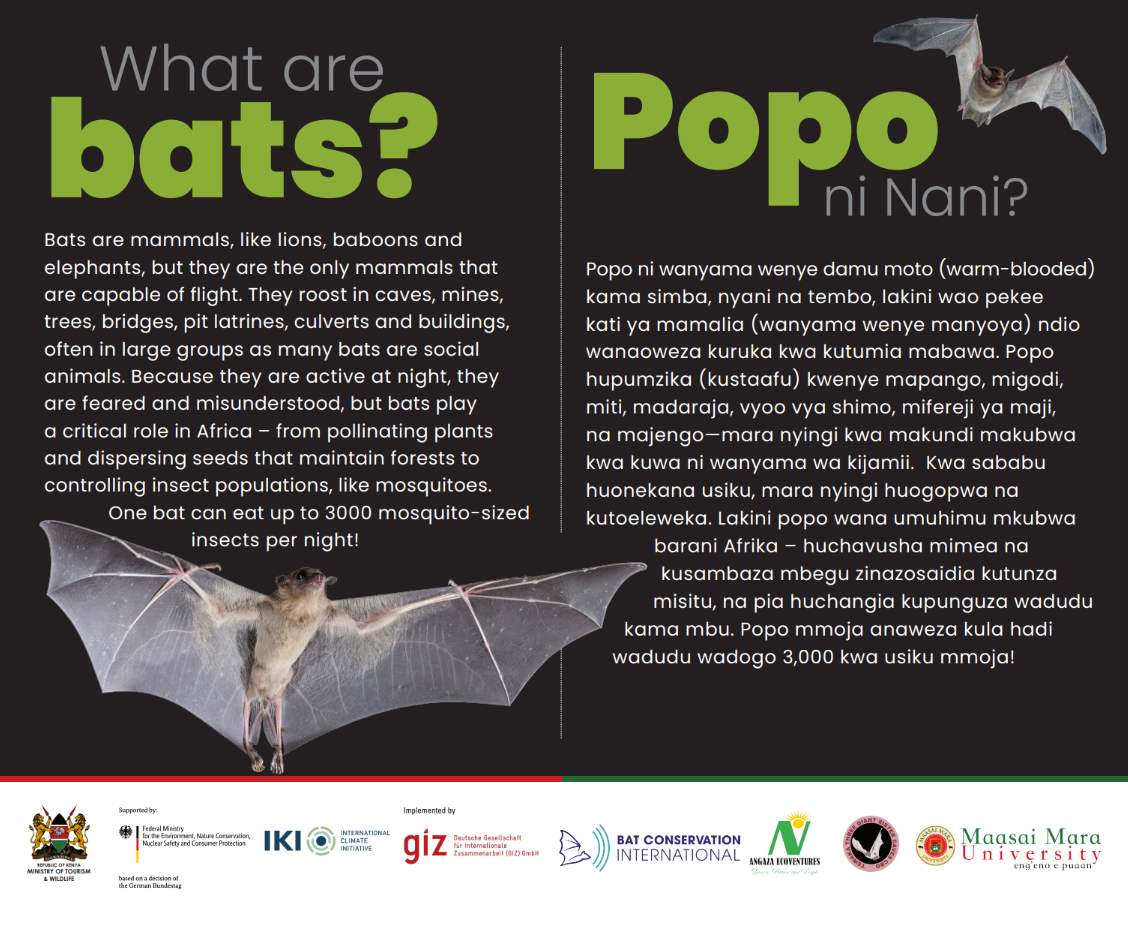
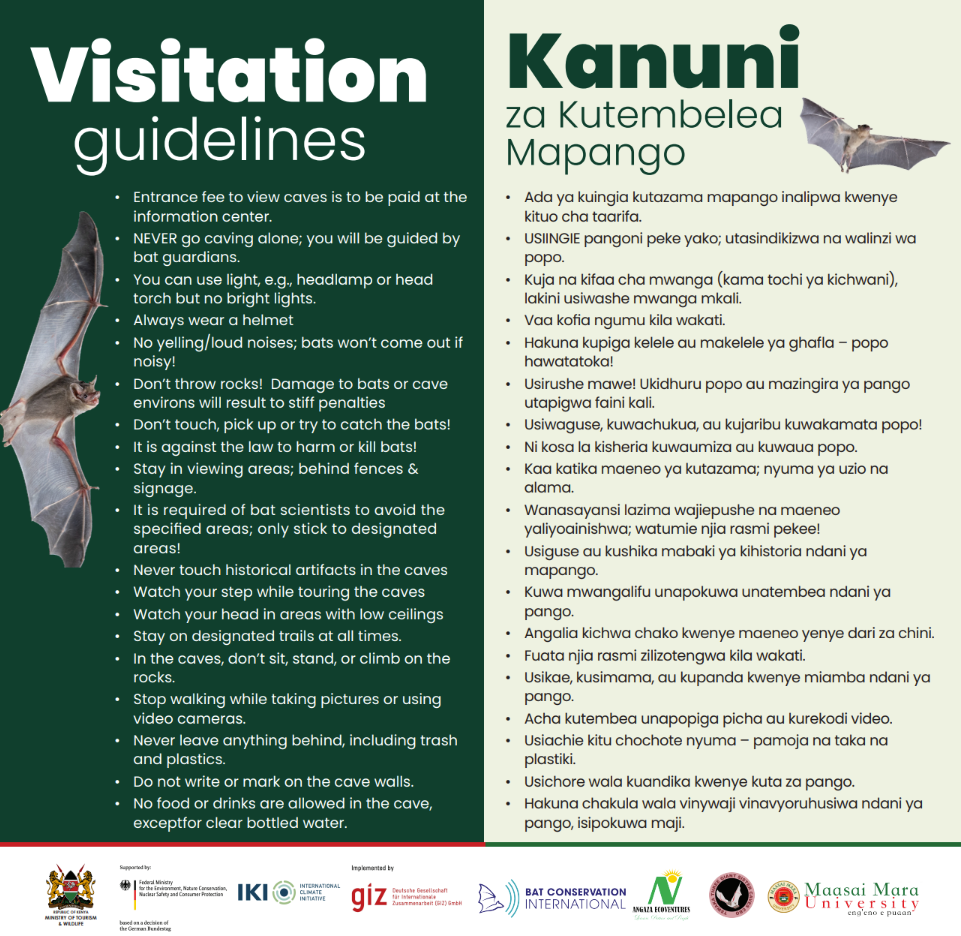
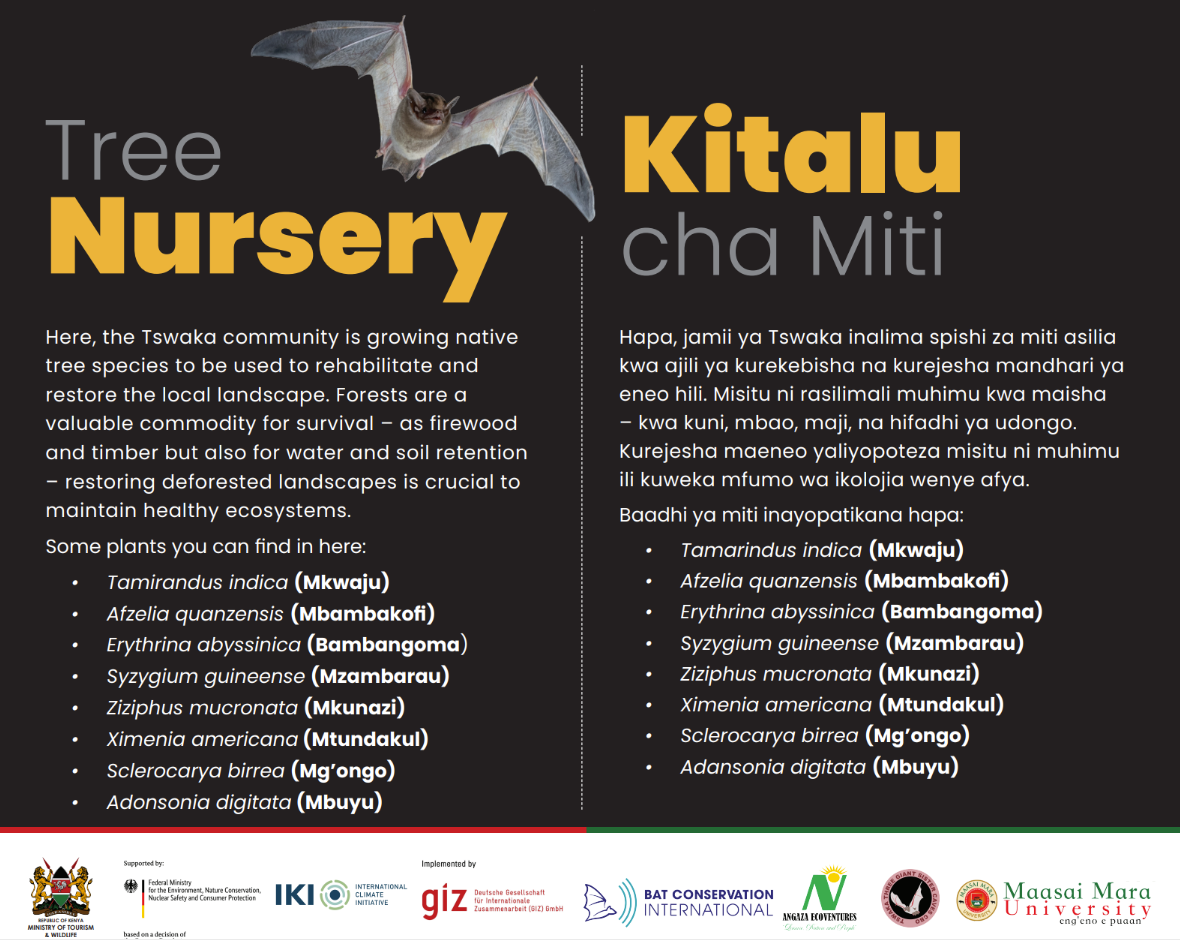
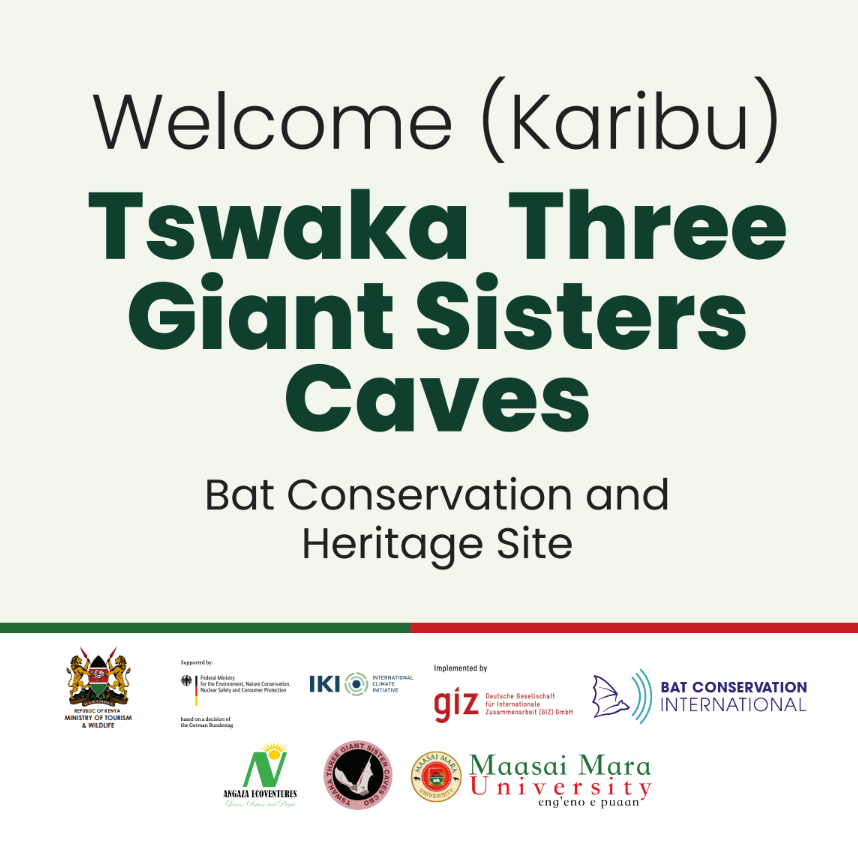
To enhance visibility and attract visitors, the project placed strong emphasis on digital marketing training, enabling community members to develop storytelling, branding, and social media engagement skills using accessible tools such as Facebook, WhatsApp, and Instagram.
Recognizing that the Three Sisters Giant Caves currently lack basic tourism infrastructure, project partners further engaged a graphic designer, who worked closely with the community to co-create informative posters and signposts for visitor guidance and site interpretation. These materials now serve as the first tangible elements of a community-driven marketing and visitor management system, bridging the gap between local storytelling and professional tourism presentation.
Enabling factors
The collaboration with a graphic designer enhanced the visual quality and consistency of promotional materials.
Lesson learned
- Digital visibility can significantly elevate small community tourism sites, but connectivity and device access remain key constraints that require continued support
- Authentic community storytelling is a very effective marketing tool as visitors value genuine narratives
- Visual information materials such as signposts and posters build credibility and serve as low-cost infrastructure that enhances both safety and visitor experience
Impacts
The initiative has already contributed to visible improvements in the Three Sisters Giant Caves area, including a reduction in forest degradation and the replanting of two acres of native trees around the caves. These actions are gradually restoring the ecological functionality of the surrounding Kaya Forest and improving habitat conditions for roosting bat species. While measurable data on bat population recovery are not yet available, the measures have likely created more stable and less disturbed conditions for their conservation. Similarly, the livelihood impacts of community-based tourism are expected to take time to materialize, as income generation depends on sustained marketing, infrastructure development, and the continued implementation of the jointly drafted community action plan. The early outcomes, however, already show strong community ownership and commitment to long-term conservation and sustainable use of the site.
Beneficiaries
- Local NGOs and CBOs like the Tswaka Three Sisters Giant Caves Community-Based Organization
- Community members of Fikirini Village and greater Shimoni area
- Tourist operators and entrepreneurs