Journey of community building: Creating globally adaptable blueprint model for fibre pad manufacturing
Full Solution
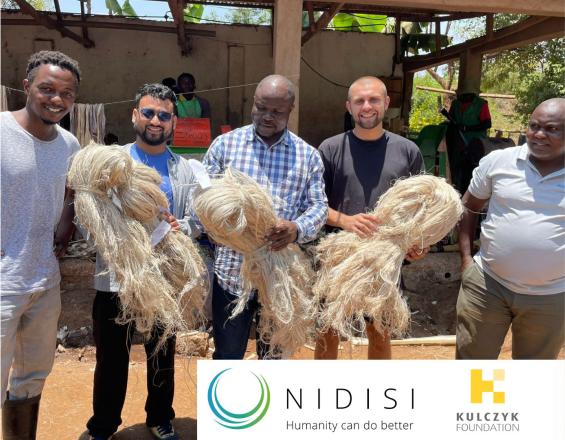
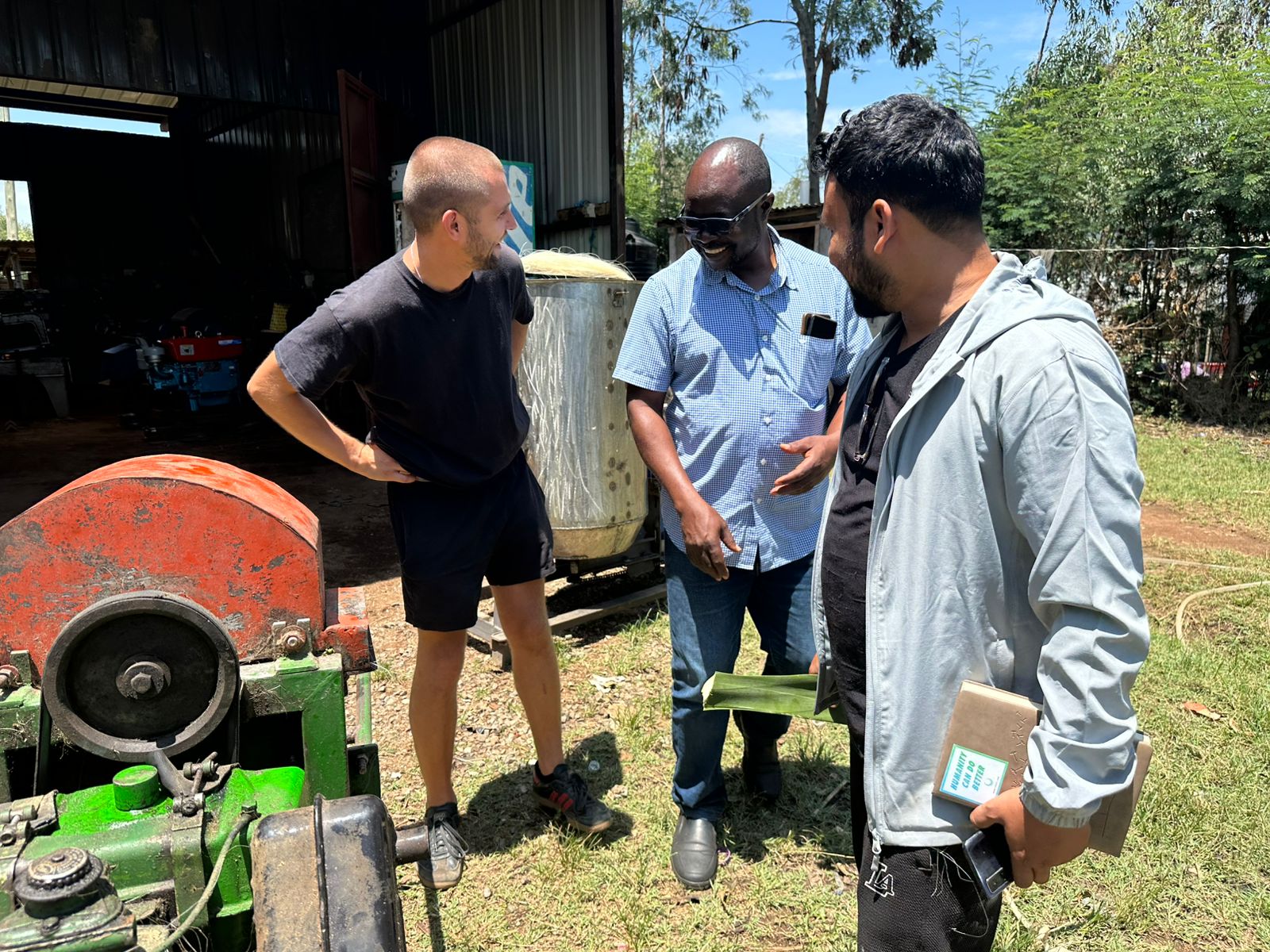
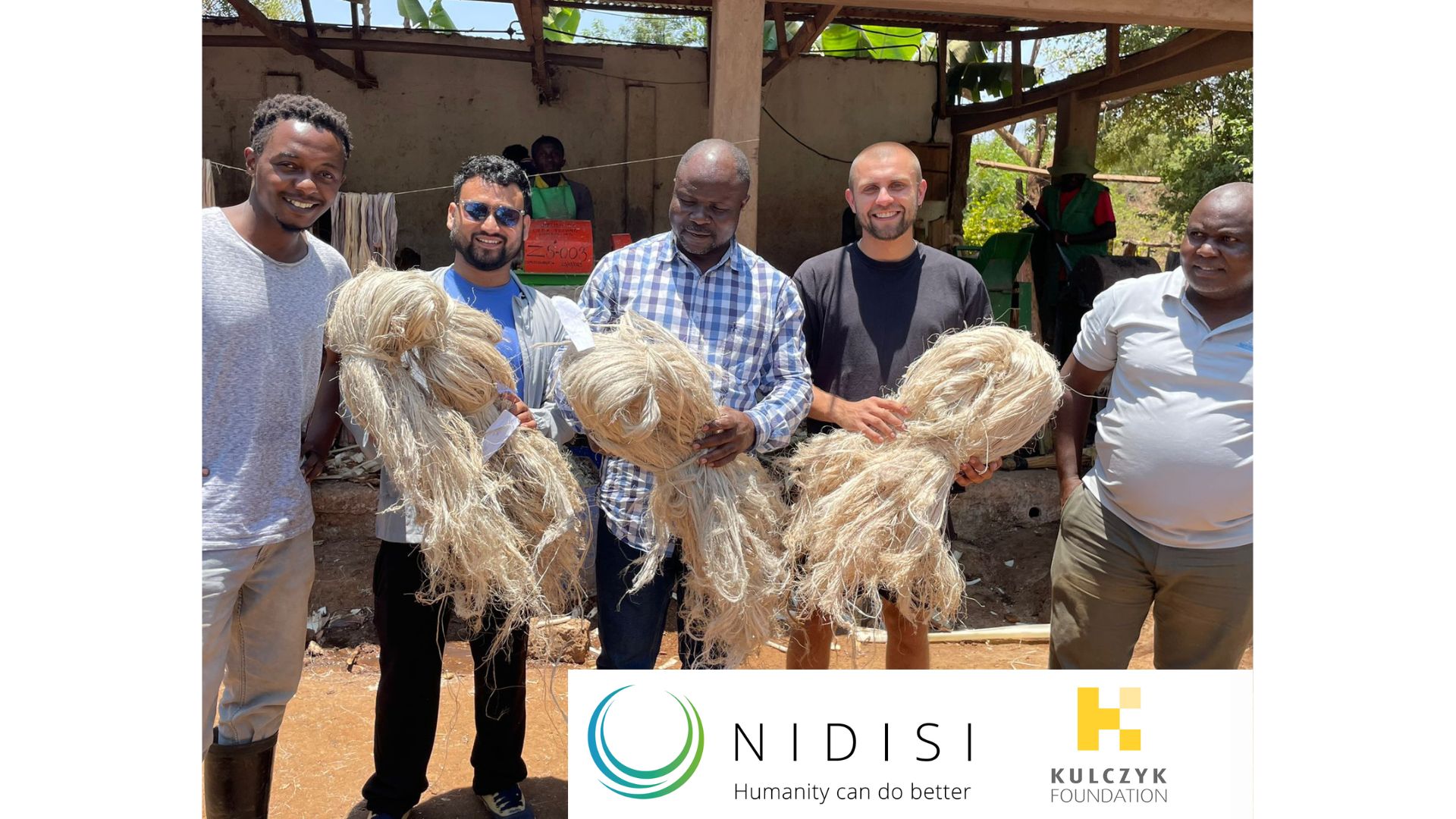
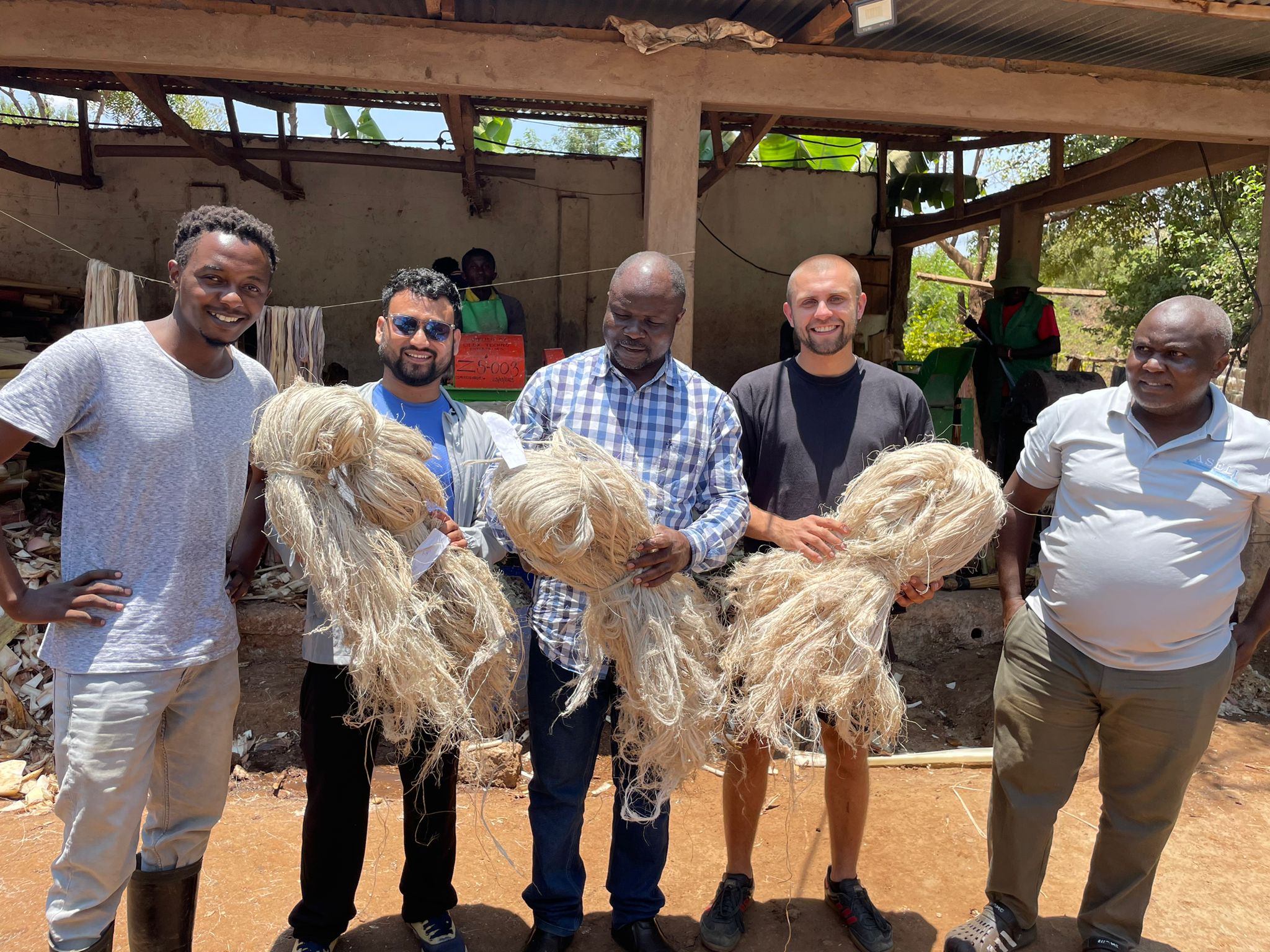
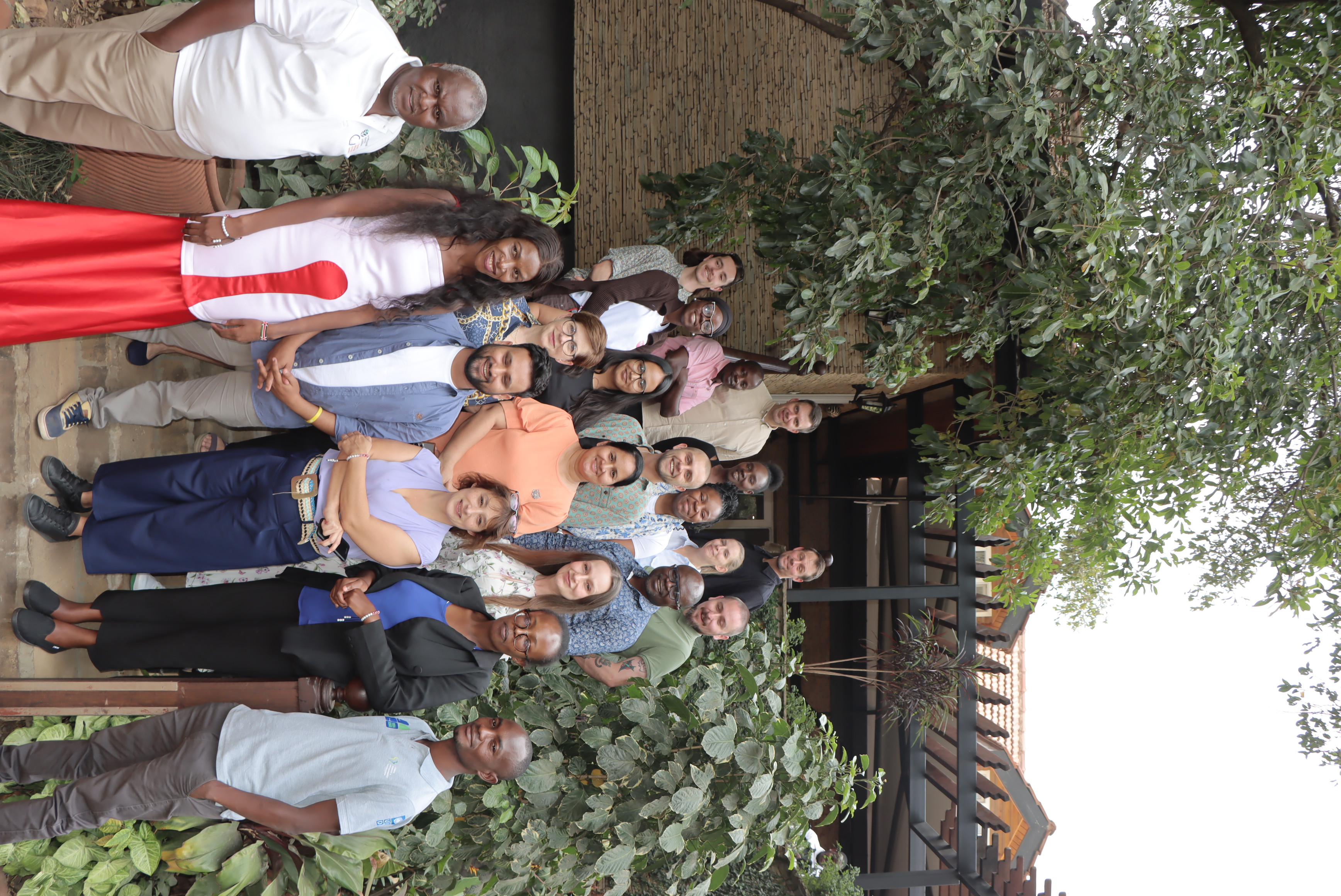
Knowledge exchange at partner's workshop, Taita-Tavta, Kenya
NIDISI gGmbH
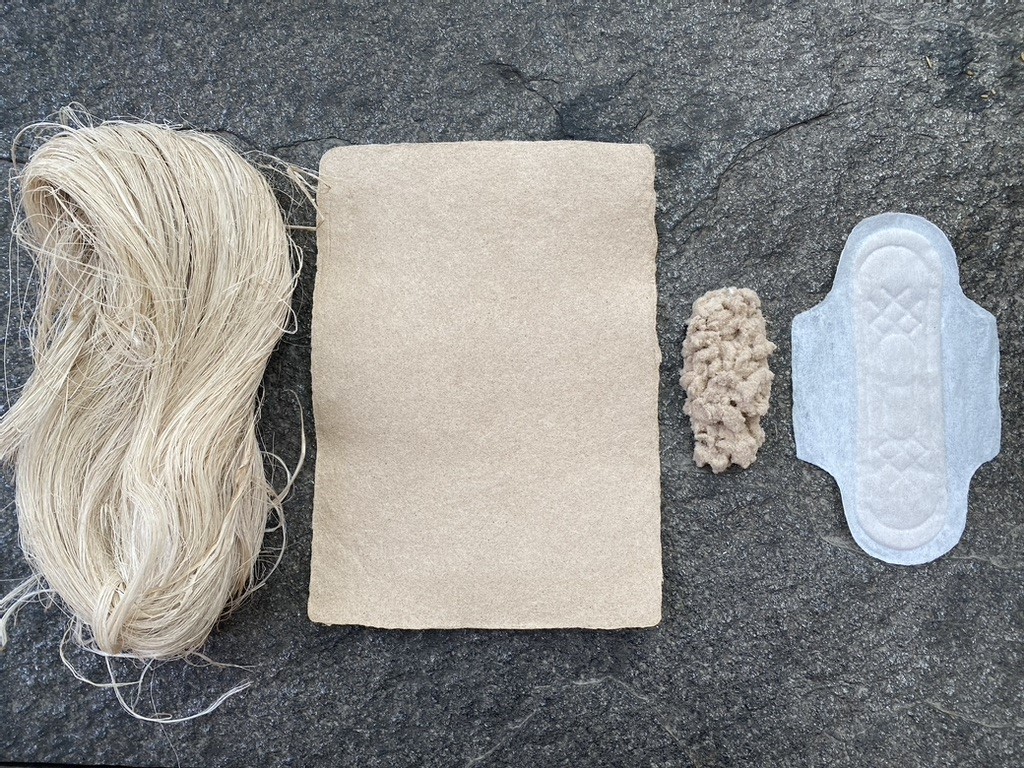
This solution is part of the Sparsa Solution, a Nepali non-profit company that locally produces and distributes compostable menstrual pads featuring an absorbent core made from banana fibre.
To strengthen global replication of fibre-based pad manufacturing, a community-building approach was developed to connect practitioners, innovators, small manufacturers and researchers working with natural fibres. The process began with continuous ecosystem mapping and grew through honest, trust-based relationship building supported by regular interactions, especially on LinkedIn. Co-creation spaces—online workshops, stakeholder meetings, technical calls and real-time learning loops—allowed actors to exchange practical insights and refine approaches together. A flexible, distributed infrastructure combining PANORAMA with informal communication channels helps sustain the community and keeps the production model adaptive, accessible, and grounded in real-world experience.
Last update: 17 Dec 2025
135 Views

Context
Challenges addressed
Environmental:
Fibre-based menstrual pad manufacturing remains scattered across small initiatives, leading to repeated experimentation, inefficient fibre processing and limited optimisation of natural materials that could replace plastic-based pads. The absence of shared learning slows the transition toward low-waste, plant-fibre alternatives.
Social:
Practitioners often work in isolation with low trust and limited transparency. Many hesitate to share failures or challenges, which prevents honest knowledge exchange and slows collective progress. Without a supportive community, new actors struggle to navigate technical, organisational and cultural complexities.
Economic:
Lack of coordinated knowledge increases costs for small or emerging producers, who must reinvest time and resources into solving issues others have already faced. The absence of a focused community also limits opportunities for collaboration, joint problem-solving and future funding partnerships.
Location
Bharatpur, Provincia de Bagmati, Nepal
Berlim, Alemanha
Taita-Taveta, Quénia
Kisumu, Quénia
Nairóbi, Quénia
West and Central Africa
East and South Africa
South Asia
Process
Summary of the process
The building blocks form a sequential yet cyclical process that strengthens the community of knowledge sharing. Ecosystem mapping comes first: it identifies relevant actors, reveals emerging initiatives and clarifies where collaboration is most meaningful. From this foundation, trust-based relationship building begins. Honest conversations, regular interactions and transparent sharing create the human connections needed for deeper cooperation.
Once trust is established, practitioners naturally move into co-creation spaces, both online and in person. Here they exchange practical insights, compare fibre-processing methods, troubleshoot machines, and jointly refine production steps. These sessions generate new knowledge that is immediately fed back into the Blueprint.
To ensure all this learning endures, community infrastructure and governance provide the backbone. Structured knowledge is stored on PANORAMA, while informal channels like WhatsApp and LinkedIn keep exchanges active. This infrastructure connects all building blocks: mapping brings people in, relationships make them stay, co-creation strengthens technical depth, and governance keeps the community functioning and accessible for new practitioners.
Building Blocks
Mapping the ecosystem & defining the community focus
A core step in creating a globally adaptable blueprint model for fibre-pad manufacturing was establishing a continuous and evolving ecosystem-mapping process. Instead of conducting a single landscape analysis, mapping became a long-term practice embedded into regular project work.
A particularly powerful tool in this process has been LinkedIn. The menstrual health and natural-fibre universe is relatively small, and actors are highly interconnected: they comment on each other’s posts, share updates publicly, and often tag collaborators. By carefully observing these interactions, it becomes possible to trace entire networks, identify new initiatives, and understand who works with whom. A single post often reveals not only one actor but an entire cluster of practitioners hidden in the comments or “likes.” This created endless opportunities to deepen the map far beyond what traditional research methods would uncover.
Alongside LinkedIn scanning, the team regularly monitored fibre-innovation networks, WhatsApp groups, academic circles, and circular-economy communities. Over time, a clearer picture emerged of who is genuinely working on plant-fibre absorbent core technologies, as opposed to broader biodegradable product spaces. Maintaining this distinction became essential to keeping the future community focused, technically coherent, and aligned with the project’s objectives.
A further insight was the value of exploratory conversations, even when they seem unproductive at first glance. Many discussions that initially appeared unrelated ended up leading to new contacts, shared networks, or unexpected collaboration possibilities. A strong personal connection with one individual often opened the door to entirely new practitioner clusters. Although this approach is time-consuming, it proved critical for expanding the community and building a more complete ecosystem map.
Enabling factors
LinkedIn as a real-time mapping tool: The platform acts as a living ecosystem map where practitioners publicly interact, making relationship networks visible and easy to track.
Open professional communities: LinkedIn groups and sector forums helped surface emerging initiatives and keep the map dynamic.
Visibility through social media: Publishing resources and updates on social media generated organic outreach from practitioners searching for fibre-related guidance.
Cross-sector curiosity: Looking into adjacent fields—such as agricultural fibre processing, community manufacturing, or circular materials—broadened the ecosystem perspective.
Routine and discipline: Weekly or monthly updates ensured the map stayed accurate and did not quickly become outdated.
Openness to exploratory calls: Taking time for seemingly unrelated conversations often led to unexpected, high-value connections.
Lesson learned
- LinkedIn is an indispensable mapping tool. Because the menstrual health sector is small and highly interconnected, LinkedIn interactions reveal practitioner networks, alliances, and hidden initiatives better than any formal research method.
- Ecosystem mapping must remain dynamic. New actors appear frequently, and continuous mapping keeps the community relevant.
- Visibility attracts aligned practitioners. Transparent, public documentation helps like-minded innovators find the project.
- A focused scope enables deeper exchange. Narrowing the community to fibre-pad manufacturing ensures technical relevance.
- Small and informal actors often hold crucial practical insights. Mapping must be inclusive to capture this knowledge.
- Seemingly unproductive meetings can become strategic. Informal conversations often reveal unexpected links, contacts, or future collaboration pathways.
- A well-understood landscape underpins the entire Blueprint community. Every subsequent step—trust-building, workshops, technical exchanges—is only as strong as the initial understanding of the ecosystem.
Building relationships & trust: from first contact to meaningful collaboration
After mapping the ecosystem, the next essential step was to build trust-based relationships with practitioners across different regions. The project discovered that community building depends far more on human connection than on formal structures. Collaboration takes shape when people feel safe to be honest, ask questions, and share the real state of their work — including setbacks.
Relationships often began with small interactions: a comment on LinkedIn, a shared post, a message reply, or an exchange in a digital group. These simple touchpoints frequently opened the door to informal introductory calls where practitioners discussed fibre sourcing, machine experiments, local realities, or community engagement.
A core principle of this process was radical honesty. If the project expected others to be transparent about their progress, challenges, or failures, it had to demonstrate that openness first. Many actors initially hesitate to reveal mistakes or internal struggles. By clearly sharing their own difficulties — delayed testing, bureaucratic bottlenecks, material challenges, or design missteps — the team created a climate of reciprocal trust. When one side speaks openly, the other side follows.
To maintain emerging connections, the team relied on light, continuous touchpoints: periodic messages, reactions to updates, small check-ins, and short calls. These small acts built familiarity and demonstrated genuine interest, allowing relationships to grow naturally rather than through pressure or formal expectations.
Over time, as trust deepened, these relationships evolved into technical exchanges, peer support conversations, and discussions about future replication. In cases where both sides recognised long-term potential, they sometimes chose to develop non-binding Memoranda of Understanding. These documents were lightweight but invaluable: they clarified expectations, needs, and areas of interest on both sides.
Importantly, such MoUs often became a strategic foundation for future cooperation, including joint funding applications, cross-country knowledge exchange, and more structured collaboration. They did not impose obligations, but they provided clarity and a shared direction — making them strong anchors for future development.
Enabling factors
Radical transparency: Openly sharing challenges, delays, and failures encouraged others to be equally honest.
Authentic communication: A modest, realistic tone helped dissolve barriers and made conversations more comfortable.
Consistent small touchpoints: Quick messages, reactions on LinkedIn, and informal check-ins strengthened relationships steadily.
Mutual problem-solving: Shared challenges created natural opportunities for deeper technical conversations.
Light cooperation frameworks: Non-binding MoUs clarified expectations and needs, providing a useful foundation for future collaboration and funding opportunities.
Long-term presence: Staying available over time helped partners feel secure in investing effort into the relationship.
Lesson learned
- Honesty builds bilateral trust. When one side shares openly, others tend to reciprocate, enabling deeper collaboration.
- Trust grows through continuity. Many small, repeated interactions build stronger bonds than occasional long meetings.
- People engage with authenticity, not perfection. Sharing real challenges creates more meaningful dialogue than polished summaries.
- Exploratory calls are rarely wasted. Even conversations without immediate outcomes often reveal useful networks or future opportunities.
- MoUs are powerful tools when used lightly. They clarify expectations and needs, and can later support joint funding applications or structured cooperation.
- Relationships evolve in waves. Some become active immediately, while others mature slowly — both paths are valuable.
- Stable relationships enable deeper technical exchange. Trust encourages honest sharing of failures, which accelerates collective learning.
Co-creation, learning loops, workshops & ongoing technical exchange
Once trust-based relationships were established, the next step was to create shared spaces where practitioners could learn together, compare experiences, and collectively shape the emerging models. These co-creation spaces took different forms: online discussions and workshops, in-person stakeholder meetings, technical calls, small discussion groups, and spontaneous troubleshooting exchanges.
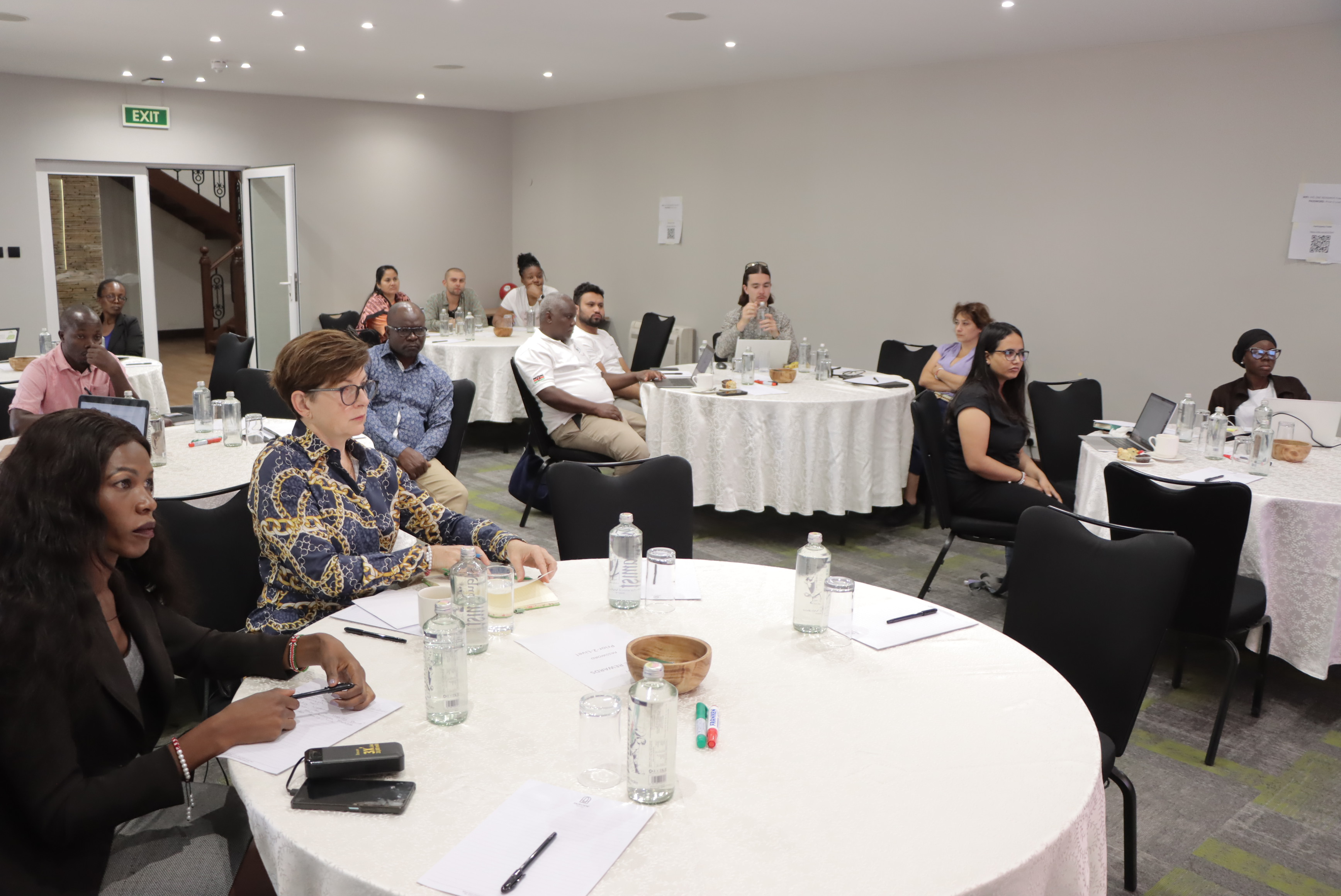
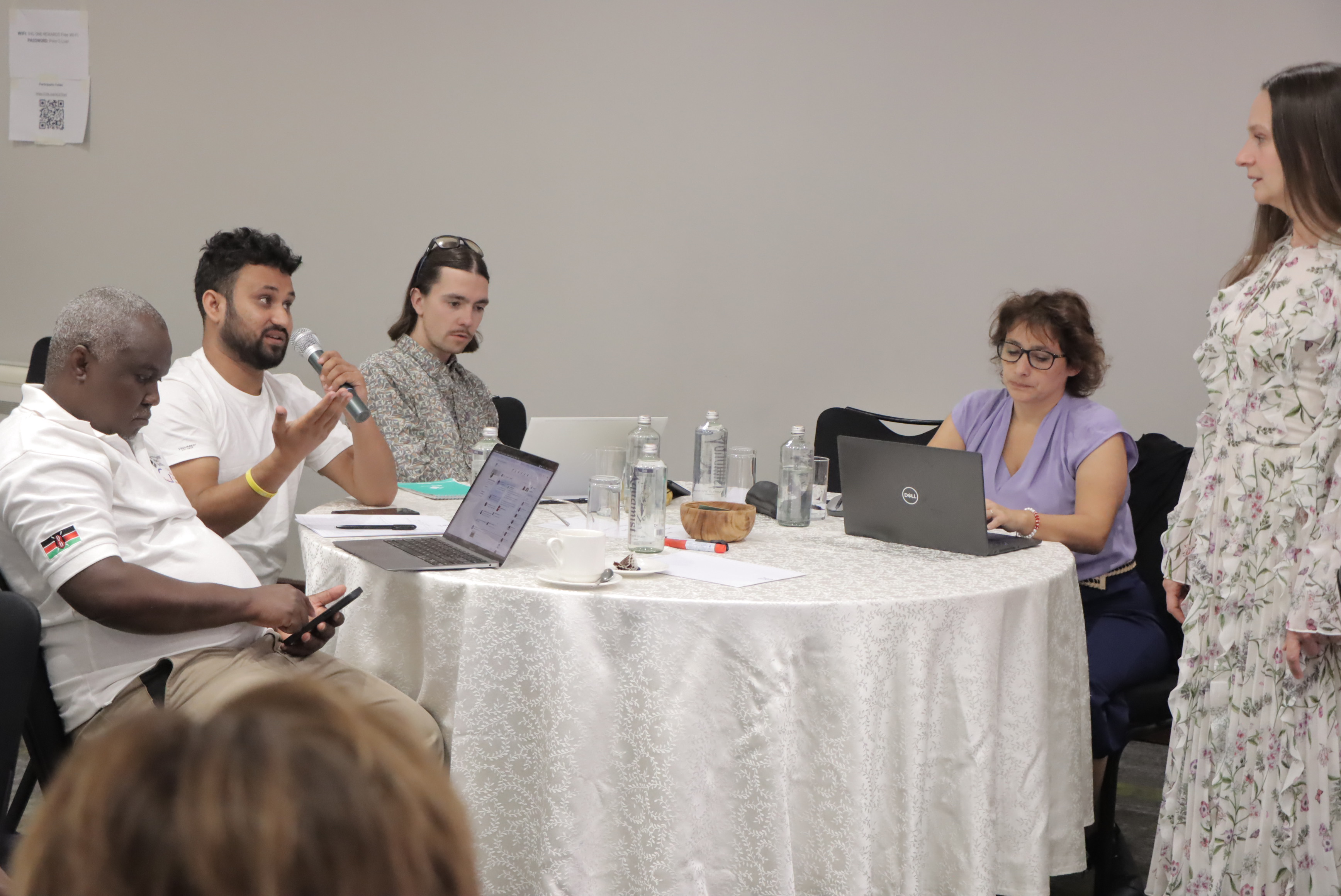
In-person meetings played an especially significant role. Bringing practitioners into the same room — or rather fibre extraction workshop! - created moments of accelerated learning. Discussions that might take months online could unfold in one afternoon. These encounters helped generate shared terminology, clarify production challenges, reflect on fibre preparation methods, and surface common bottlenecks from different regional realities. More importantly, they allowed participants to experience the human side of collaboration: tone, gestures, humour, and the sense of working toward a collective vision.
These spaces were not designed as formal training sessions but as horizontal learning environments. Each participant brought something different: practical experience, technical insights, field observations, research knowledge, or local market perspectives. Rather than one actor “teaching” others, the process relied on combining all these perspectives to refine approaches, align directions, and expand understanding.
Between in-person sessions, a rhythm of ongoing learning loops developed through online channels. Practitioners would share photos of machine tests, short videos of fibre processing steps, or quick notes about mistakes and workarounds. These micro-exchanges ensured that learning did not stop between workshops and allowed actors in different countries to learn from each other in real time. The team integrated these insights back into the Blueprint model, updating documents and technical guidance to reflect real-world lessons.
Co-creation spaces also played a role in shaping the collective Theory of Change, identifying shared challenges, and aligning long-term priorities. They allowed everyone, from technical teams to researchers, to understand their role in the broader system and contribute their perspective.
Enabling factors
In-person convenings: Even occasional face-to-face workshops accelerated learning, understanding, and technical alignment.
Horizontal learning culture: Treating every participant as both a teacher and a learner created a genuinely collaborative environment.
Digital continuity: WhatsApp groups, shared files, and quick video exchanges kept learning active between meetings.
Diverse expertise: Combining field experience, technical prototyping, research insights, and community knowledge enriched the co-creation process.
Openness to experimentation: Mistakes and imperfect prototypes were openly discussed, making iterative learning possible.
Shared reflection tools: Joint exercises such as problem mapping or Theory of Change sessions helped align perspectives.
Lesson learned
- In-person meetings create a multiplier effect. Even limited convenings resolve misunderstandings quickly and build strong relational foundations.
- Co-creation works best when hierarchy is removed. Everyone brings unique knowledge, and the strongest insights often come from unexpected places.
- Learning must be continuous. Real-time digital exchanges prevent stagnation and keep the community connected across borders.
- Small technical insights can have outsized impact. A single shared workaround can save weeks of trial and error for others.
- Shared conceptual tools strengthen cohesion. Co-developing problem analyses and theories of change unifies practitioners around common goals.
- Iterative documentation is essential. Integrating new lessons into the documents ensures that others benefit from collective experience.
Making it last - Infrastructure, governance & stewardship of a global community
As the community expanded, it became essential to create the structures (digital and relational) that would enable it to function sustainably, remain accessible, and support new practitioners over the long term. Rather than building a rigid institutional framework, the project adopted a flexible, distributed model of stewardship centered on shared responsibilities, mutual support, informal connections, and network exchange.
A key strategic choice was to use the PANORAMA platform as the home base for structured knowledge. It provides a neutral, globally accessible environment where solutions, building blocks, and technical descriptions can be published in an organised format. This ensures that information does not disappear into private folders or personal inboxes but remains available to practitioners worldwide whenever needed.
At the same time, the project team recognised that no single platform could meet all community needs. PANORAMA is ideal for showcasing structured knowledge but not for fast, informal dialogue or document exchange. Therefore, a complementary ecosystem developed organically around it: WhatsApp groups for immediate troubleshooting, shared folders for evolving documentation, email threads for detailed exchanges, and LinkedIn for relational visibility, community presence, new leads and opportunities. Each space fulfils a different function, and together they create an accessible, flexible, informal, and low-barrier communication environment.
Sustainable community building also requires thinking about governance without centralisation. Instead of one organisation “owning” the community, stewardship is shared across a variety of practitioners who contribute insights, test methodologies, and provide feedback from the field. The coordinating organization (NIDISI) acts as a facilitator and organiser (not as a gatekeeper), ensuring that the community’s direction remains aligned with its values of openness, technical relevance, and mutual support. The coordinating organization takes on various responsibilities and often donor commitments, making itself dependent on other partners (not ideal). Yet, it also benefits from the success of each of its partners, forcing it to work for the common goal and success of each partner and practitioner within the community ecosystem.
This decentralised approach allows new practitioners to join with ease, while still ensuring coherence in the information shared. As the community grows, experienced members naturally take on informal leadership roles by sharing lessons, answering questions, or guiding newer participants. Sharing networks, knowledge, and simply building trust between partners can lead to joint initiatives, such as donor-funded R&D periods, which are more likely to attract investment if proven by a verifiable history of collaboration.
Long-term sustainability is further supported through living documentation, updated as new insights emerge. Rather than treating guidance materials as static documents, the team reviews and adjusts content regularly, incorporating lessons from ongoing machine trials, fibre experiments, and community feedback. Knowledge sharing is never one way, it is a circular learning loop that strengthen each participating party throughout the process.
Importantly, the community’s distributed structure provides a strong foundation for future joint initiatives, including training opportunities, cross-country knowledge exchange, and collaborative funding proposals. The community’s knowledge becomes more robust and adaptable the more people contribute to it, turning it into a collective resource that supports the broader goal of expanding fibre-based menstrual pad solutions globally.
Enabling factors
Structured visibility: PANORAMA provides an organised, public space for documenting and sharing knowledge in a reliable way.
Complementary communication channels: WhatsApp, email, shared drives, and LinkedIn ensure quick interactions, deeper exchanges, and ongoing relationship-building.
Distributed stewardship: Experienced practitioners help guide discussions and support newcomers, ensuring stability without centralisation.
Flexible coordination: The coordinating organization facilitates, curates, and keeps momentum without imposing rigid structures.
Living documentation: Continuous updates allow the community to reflect real-time learning from various contexts.
Low-entry barriers: Informal communication channels make the community accessible to small-scale innovators, researchers, and practitioners alike.
Lesson learned
- A single platform cannot serve every purpose. Sustainable communities rely on a blend of structured and informal communication spaces.
- Distributed ownership increases resilience. When knowledge and responsibility are shared, the community can continue growing even during transitions.
- Accessibility matters more than formality. Low-barrier channels encourage participation from actors who might otherwise remain invisible.
- Documentation must evolve continuously. A blueprint that fails to incorporate new insights quickly becomes outdated, so regularly updating it keeps it relevant.
- Relational governance is powerful. Respect, reciprocity, and mutual support form a stronger governance model than rigid hierarchy.
- A coordinated but non-centralised approach enables scale. By avoiding gatekeeping and encouraging contribution, the community expands organically and sustainably.
Impacts
The community-building approach strengthened the global landscape of fibre-based menstrual pad manufacturing by creating a trusted network where practitioners, innovators and researchers openly exchange experiences. Through consistent interactions, the community reduced repeated mistakes, accelerated troubleshooting, and supported more efficient fibre processing and machine adaptation.
The Blueprint model evolved into a living, adaptable resource. As practitioners shared photos, videos, test results and failures, these insights were integrated into updated guidance materials, making the knowledge base more accurate and grounded in real field realities. Newcomers now benefit from practical lessons that previously took months or years to learn independently.
The distributed community infrastructure also strengthened local circular economies. By encouraging collaboration across different regions and fibre contexts, it increased global visibility for natural-fibre menstrual products and inspired more actors to explore sustainable alternatives to plastic-based pads. The relational foundation built through openness and trust created new opportunities for joint learning, cross-country collaboration and potential future partnerships. Overall, the solution contributes to a more resilient, supportive and environmentally conscious global ecosystem for fibre-pad manufacturing.
Beneficiaries
Practitioners, small producers, innovators and researchers working with natural fibres benefited through shared learning, reduced trial-and-error costs and faster problem-solving. Newcomers gained clearer guidance, while local communities profit from improved
Global Biodiversity Framework (GBF)
GBF Target 10 – Enhance Biodiversity and Sustainability in Agriculture, Aquaculture, Fisheries, and Forestry
GBF Target 15 – Businesses Assess, Disclose and Reduce Biodiversity-Related Risks and Negative Impacts
GBF Target 16 – Enable Sustainable Consumption Choices To Reduce Waste and Overconsumption
GBF Target 21 – Ensure That Knowledge Is Available and Accessible To Guide Biodiversity Action
GBF Target 23 – Ensure Gender Equality and a Gender-Responsive Approach for Biodiversity Action
Sustainable Development Goals
SDG 5 – Gender equality
SDG 6 – Clean water and sanitation
SDG 8 – Decent work and economic growth
SDG 9 – Industry, innovation and infrastructure
SDG 13 – Climate action
SDG 17 – Partnerships for the goals
Story

NIDISI team at Ziada Solution's workshop, Taita-Taveta, Kenya
NIDISI gGmbH
This collaboration began when Ziada Solutions, a Kenyan social enterprise working with banana fibre, contacted us on LinkedIn. Their team, led by Samuel, had been experimenting with fibre extraction and were looking for peers facing similar challenges. Samuel reached out with a short, genuine message asking if we would be open to exchanging experiences. We agreed immediately.
Our first call was simple and honest. Instead of showcasing only polished results, both sides shared the real situation: machines that didn’t behave as expected, fibres that were unpredictable, delays in testing, and the ups and downs of trying to build something new with limited resources. This openness created an immediate sense of trust.
Over the next months, we met regularly online. We shared photos of machine parts, short videos of fibre extraction, mistakes, improvements, and small technical victories. We exchanged contacts, tips, and opportunities. Sometimes the conversations were very practical, and sometimes they were friendly check-ins. Regular interactions on LinkedIn kept the relationship alive and familiar.
As we continued talking, a partnership became inevitable given our aligned goals: producing fibre-based menstrual pads using local materials, simple machinery, and context-appropriate processes. When the opportunity came to visit Kenya, meeting in person transformed the relationship. Walking through Ziada’s workshop, testing fibres side by side, and comparing machinery made everything clearer and more concrete.
The visit also confirmed how complementary our experiences were. Ziada’s strength in extraction paired naturally with our work on banana paper and pad production. The exchange felt practical and mutually reinforcing.
With trust already established, formalizing the cooperation happened naturally. Together we clarified expectations and explored the possibility of replicating the production model. This collaboration later became the basis for a successful state-funded application supporting the first official replication of our Nepali model in Kenya.
What started as a short message from Samuel on LinkedIn became a technical partnership, an in-person exchange, and a structured collaboration—showing how meaningful cooperation can grow when both sides are willing to share openly, not only successes but also challenges and failures.