
Using Green Sukuk Funds to Construct the Maluku Conservation Center in Indonesia
Full Solution

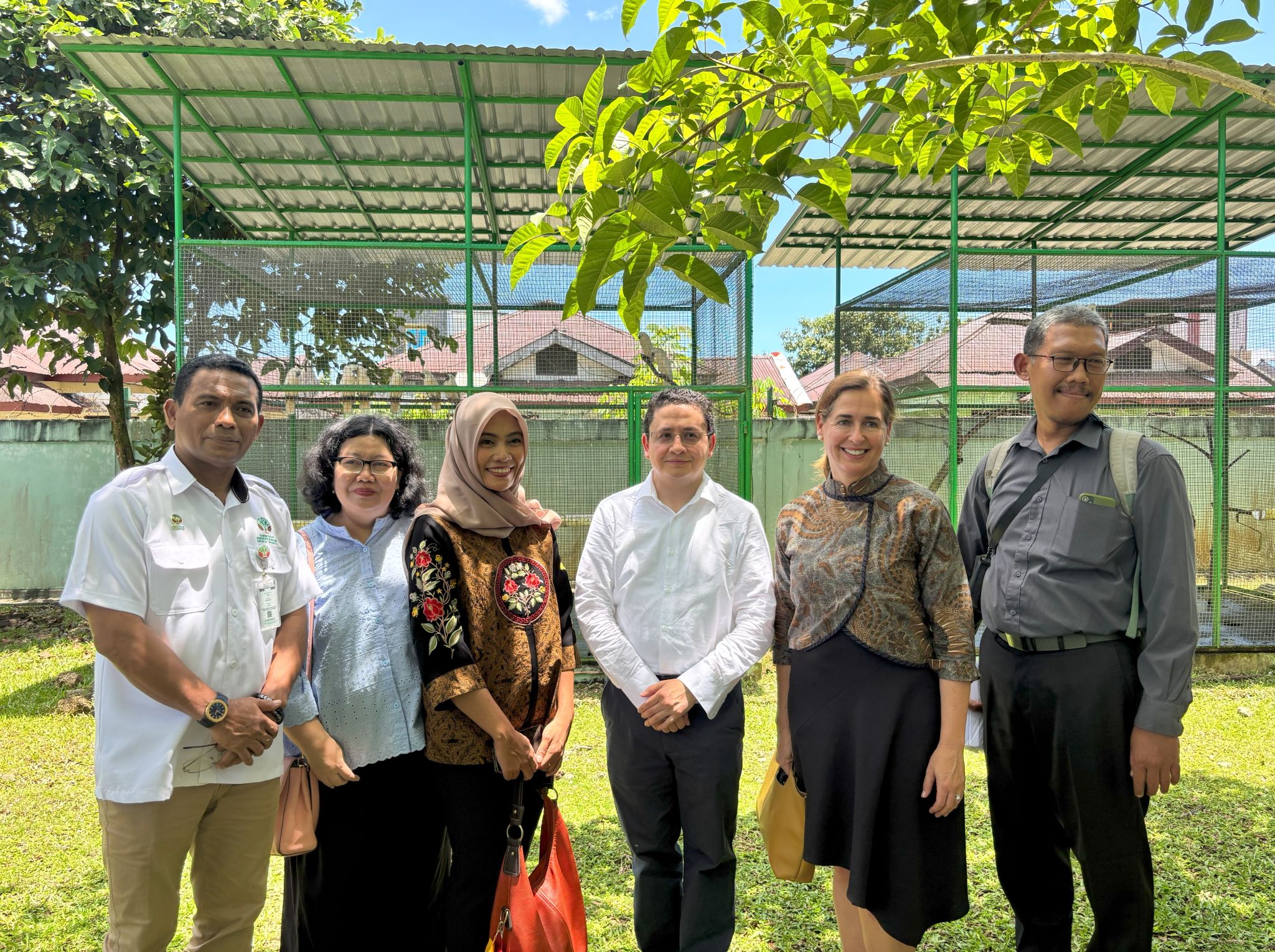
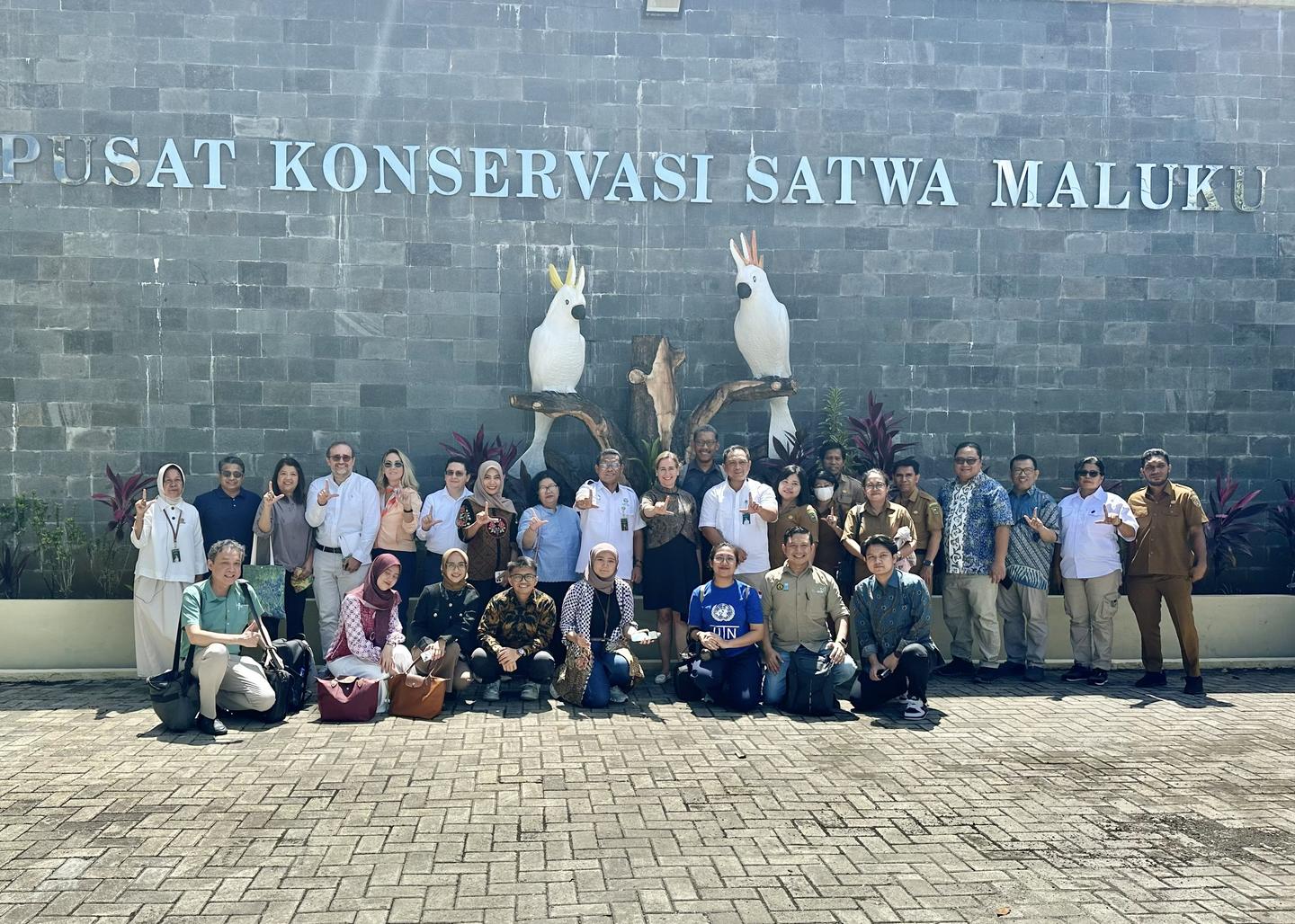
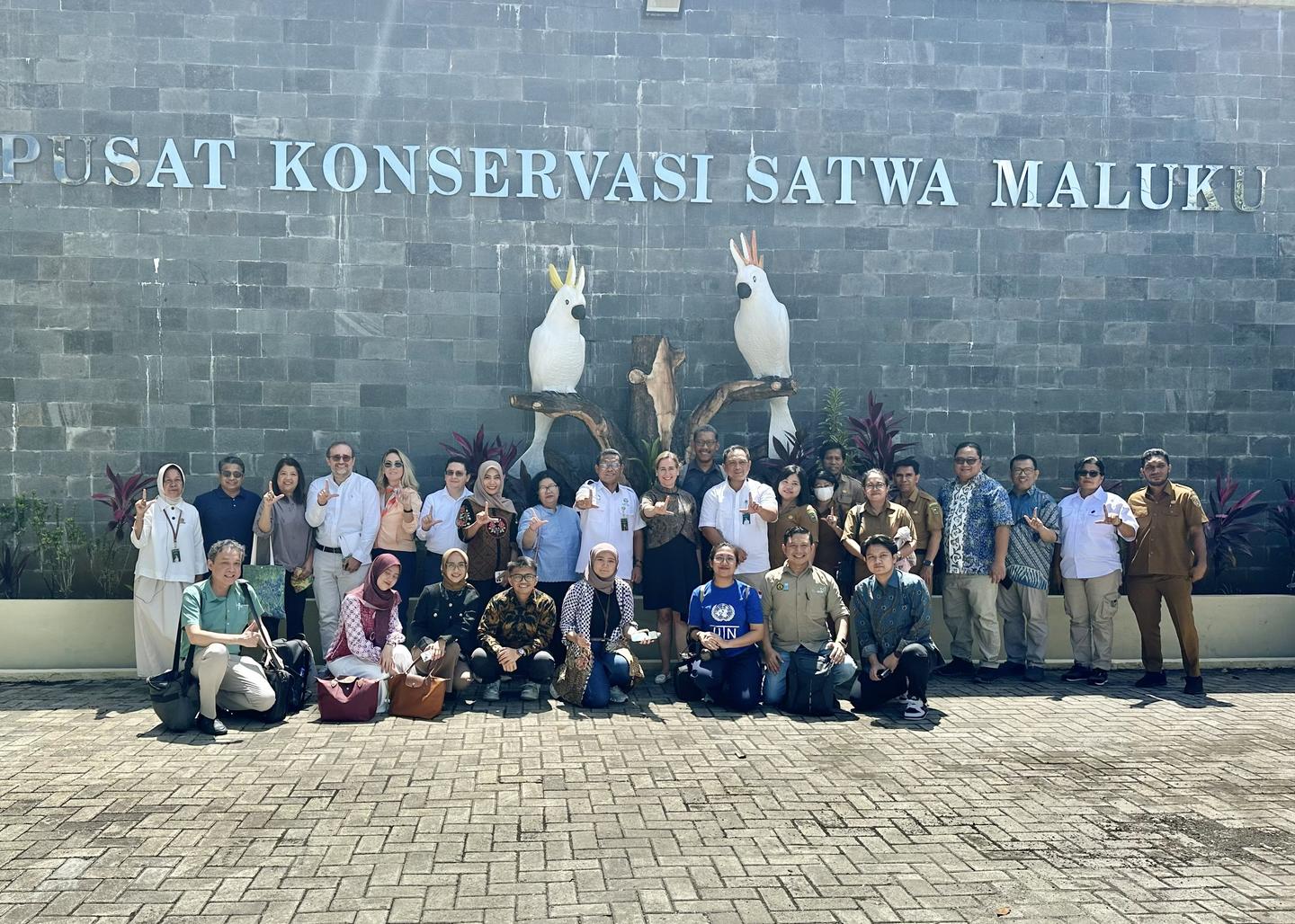
Representatives of Indonesian Ministry of Forestry, Ministry of National Development Planning/Bappenas, UNDP, and BIOFIN Global's visit to Maluku Conservation Center.
BKSDA Maluku.
Indonesia is one of the 17 megadiverse countries in the world, with exceptionally rich fauna and flora. However, illegal wildlife trade has risen in the Maluku province, threatening endemic species. While this situation demonstrates the need to strengthen species conservation efforts, mobilizing funds for such activities is a challenge.
The Ministry of Environment and Forestry of Indonesia, with support from the Biodiversity Finance Initiative (BIOFIN) of the United Nations Development Programme (UNDP), accessed USD 2.7 million in green sukuk funds for the construction of the Maluku Conservation Center, dedicated to wildlife rescue, rehabilitation, and release into natural habitats. Green sukuks are sovereign bond-like Islamic finance instruments, and their application to biodiversity-related projects was previously limited.
In 2023-2024, 955 birds, 323 reptiles, and 319 other animals were treated and rehabilitated in the Maluku Conservation Center, contributing to the conservation of species and ecosystems.
Last update: 03 Dec 2025
111 Views

Context
Challenges addressed
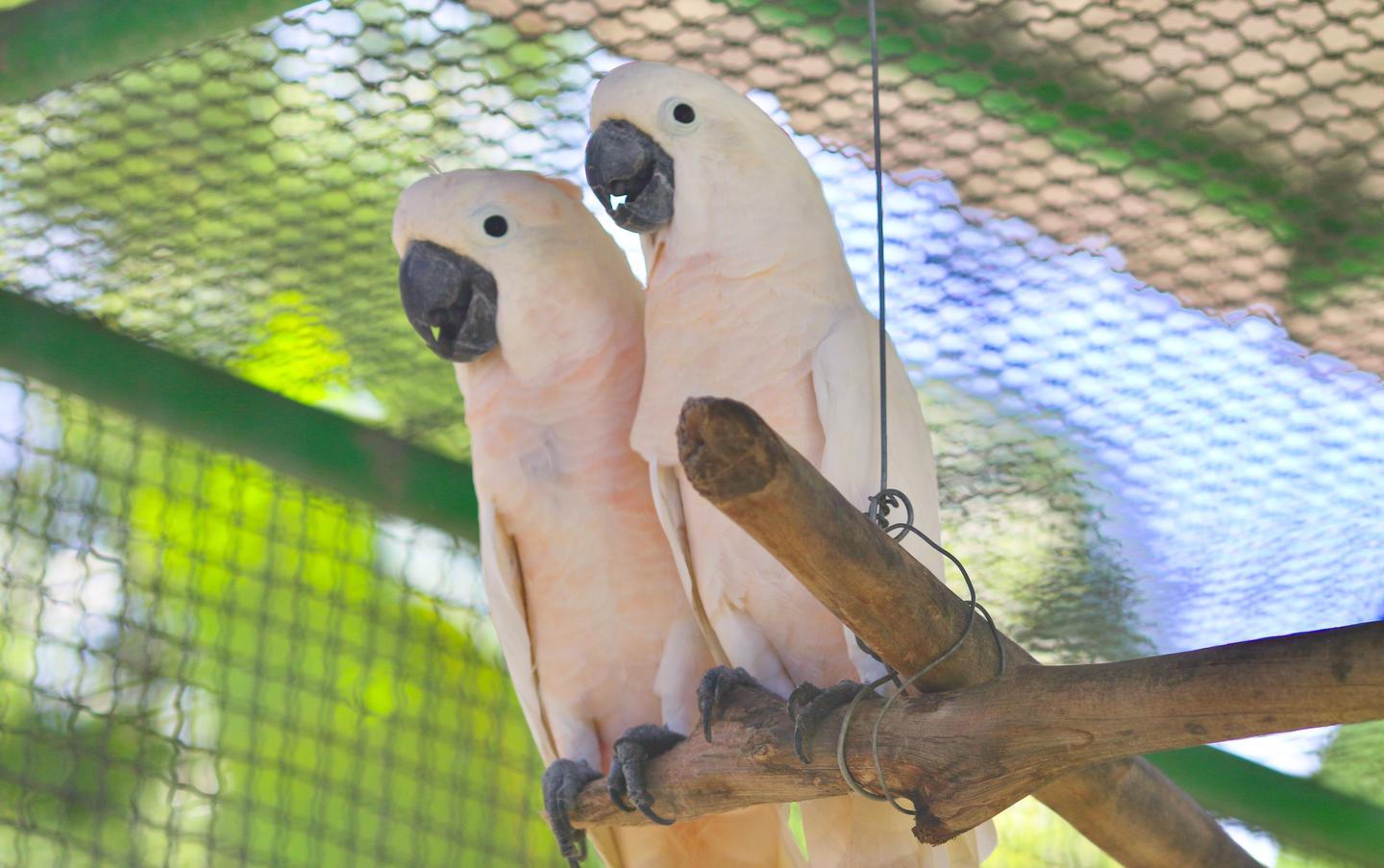
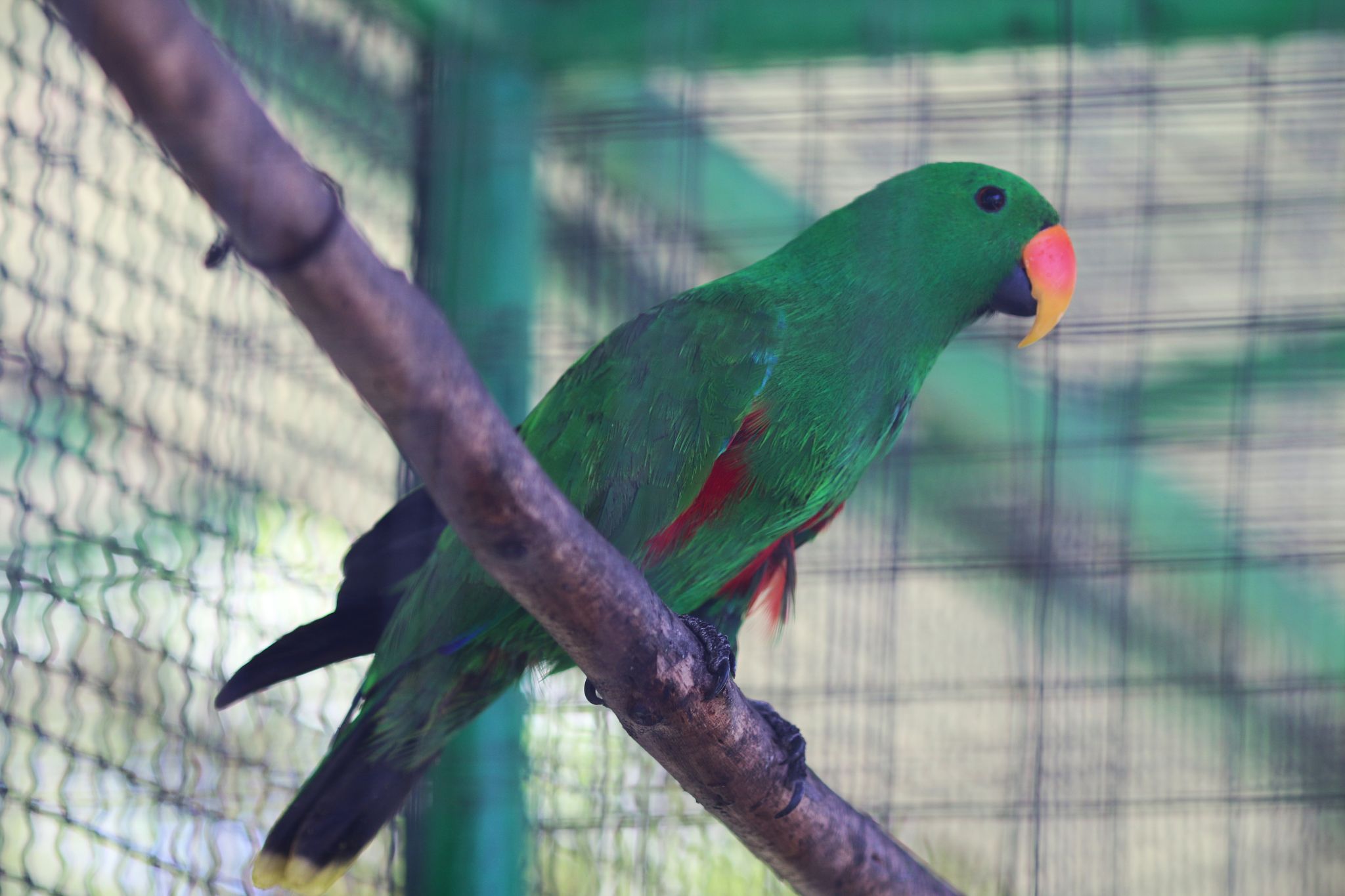
The Maluku province in Indonesia is rich in biodiversity, with a wide variety of endemic bird species such as parrots, cockatoos, and corellas. This has attracted illegal wildlife traders seeking high profits from capturing and selling animals in illicit markets. Over the decades, wildlife trafficking in Maluku has intensified, also targeting reptiles and mammals. This situation adds pressure to native species and their habitats.
Although it is necessary to strengthen conservation efforts, such activities often require already scarce funding. In Indonesia, sukuks are bond-like instruments commonly used to finance major infrastructure projects. The country launched its first sovereign green sukuk in 2018, aimed at attracting funds for sustainable projects. However, the Ministry of Environment and Forestry faced difficulties in channeling funds from green sukuk issuance to finance their projects, as they usually did not meet the requirements to be eligible for such funding.
Location
Molucas, Indonésia
Southeast Asia
Process
Summary of the process
Green sukuks are sovereign bond-like instruments aligned with Islamic principles. Although widely used to finance climate-related infrastructure projects, biodiversity initiatives faced challenges in accessing funds from green sukuks. By providing technical assistance and fostering interministerial coordination, BIOFIN supported the Ministry of Environment and Forestry in accessing funds from green sukuk issuance to construct the Maluku Conservation Center. The center treats animals rescued from illegal wildlife trade and releases them back into their natural habitats, serving as a key hub for species conservation.
Building Blocks
Green Sukuk: A finance instrument aligned with Islamic principles to fund climate- and biodiversity-related projects
Sukuks are sovereign bond-like financing instruments aligned with Islamic principles, which implies the absence of interest on investment. Although issued by the government, sukuks differ from conventional sovereign bonds because they consist of asset-based ownership certificates, for instance over land or infrastructure, rather than debt instruments. Return on investment derives from profit sharing agreements (mudharobah) or revenue from lease agreements (ijarah). Sukuks are typically based on a pool of assets and are backed by the government to ensure low risk.
The government of Indonesia has regularly issued sukuks to finance public infrastructure projects such as airports, irrigation systems, and railways. In 2018, it launched the first green sukuk, designed to fund projects that promote low-emission growth, climate resilience, and biodiversity conservation across nine sectors, including renewable energy, clean transportation, sustainable agriculture, and waste management.
The first issuance, listed on the Singapore Stock Exchange and NASDAQ Dubai, raised USD 1.25 billion. Indonesia continued to issue green sukuks, demonstrating the success of this innovative financing mechanism.
Enabling factors
- Existing sukuk financing instrument, facilitating alignment with green project funding.
- Government commitment to align sukuks with sustainability objectives.
- Investor appetite for green financial instruments such as green sukuks.
Lesson learned
Redirecting current financial flows toward sustainable projects can significantly contribute to closing the biodiversity and climate finance gap, reducing the dependence on new financial instruments and additional funds.
Technical support to ensure biodiversity projects meet green sukuk eligibility requirements
Green sukuks had successfully mobilized funds for climate-related projects, while biodiversity projects did not have the same success. The Ministry of Environment and Forestry faced challenges in securing funds from green sukuk issuance for their projects, as many did not meet eligibility requirements. For instance, tangible assets (e.g. land or infrastructure) were lacking, which are fundamental for sukuk financing as explained in building block 1.
BIOFIN provided technical support for project preparation and coordination among ministries. The process started with the identification of potential biodiversity projects with the Ministry of Environment and Forestry. Then, consultations were organized among relevant stakeholders such as the Ministries of National Planning and Finance to ensure these projects fulfill eligibility criteria.
The construction of the Maluku Wildlife Conservation Center was one of the identified projects. BIOFIN supported the development of a feasibility study and a detailed engineering design document to make the project suitable for green sukuk funding. This was followed by additional consultations and trilateral meetings among the Ministries of Environment and Forestry, Planning, and Finance, leading to the approval of the center’s construction with USD 2.7 million in funds from the green sukuk.
Enabling factors
- Availability and access to experts to support project design and preparation.
- Willingness of stakeholders such as different ministries to engage in coordination meetings and provide advice to align biodiversity projects with sukuk funding.
- Financial resources for the feasibility study and engineering design activities.
Lesson learned
- Existing financial mechanisms may not achieve all intended outcomes if project developers are unable to access them. Therefore, it is important not only to develop climate- and biodiversity-related financing instruments, but also to strengthen stakeholders’ technical capacity to prepare fundable projects that meet eligibility requirements.
- While biodiversity interventions have often relied on traditional activities such as patrolling and awareness-raising campaigns, the green sukuk demonstrates a business case for biodiversity-related infrastructure projects.
Construction of the Maluku Conservation Center for rescuing and treating animals affected by illegal wildlife trade
The Maluku Conservation Center was constructed with the goal of conserving endemic wildlife, engaging in parrot research, and raising awareness about conservation and sustainable development in Indonesia. The center occupies 14,135 square meters and its infrastructure costed approximately USD 2.67 million, funded with resources from the green sukuk issuance. Its facilities include rehabilitation and conservation stations, wildlife transit facilities, and a clinic for rescued animals.
A key activity at the center is the treatment and rehabilitation of animals rescued from illegal wildlife trade, followed by their release back into their natural habitats.
In addition to its conservation work, the center creates local jobs and provides educational and ecotourism opportunities for nearby communities. It also contributes to discouraging poaching and illegal wildlife trade in the surrounding areas.
Enabling factors
- Recognition of illegal wildlife trade as an issue in Maluku and commitment from stakeholders to tackle it through a new conservation center.
- Ability to attract experts to work at the center.
- Funding to support the center’s ongoing activities.
Lesson learned
Beyond its primary goal of species conservation, initiatives such as the Maluku Conservation Center generate positive spillovers by creating local jobs, attracting educational and ecotourism activities, and reducing poaching and illegal wildlife trade in surrounding communities.
Impacts
The Ministry of Environment and Forestry accessed USD 2.7 million in green sukuk funds for the construction of the Maluku Conservation Center.
In 2023-2024, the center rescued 955 birds, 323 reptiles, and 319 other animals, which were treated and rehabilitated before being released back into their natural habitats. Many of these animals were victims of illegal wildlife trade. Therefore, the center significantly contributes to the conservation of species and ecosystems in Indonesia.
Beneficiaries
- Endemic species treated and released back into their habitats.
- Local communities with increased job and ecotourism opportunities.
- The broader Indonesian population benefits from enhanced species conservation.
Global Biodiversity Framework (GBF)
GBF Target 4 – Halt Species Extinction, Protect Genetic Diversity, and Manage Human-Wildlife Conflicts
GBF Target 14 – Integrate Biodiversity in Decision-Making at Every Level
GBF Target 19 – Mobilize $200 Billion per Year for Biodiversity From all Sources, Including $30 Billion Through International Finance
Sustainable Development Goals
SDG 8 – Decent work and economic growth
SDG 15 – Life on land
SDG 17 – Partnerships for the goals
Story

John and his rescue team comb through a ship at Yos Soedarso Port, Ambon, following reports of animals allegedly being trafficked onboard.
UNDP Indonesia.
John Pieter Syaranamual, a frontline officer working with the Maluku Conservation Center, helps intercept illegal wildlife shipments passing through Ambon's ports, in the Maluku province.
In May 2023, John coordinated with the local police and port authorities to board a vessel at the Yos Soedarso Port, after a tip pointed to the possibility of trafficked animals onboard. Rather than just an allegation, John and his team found seven Papuan tree kangaroos and forty exotic birds on the ship, closely confined in tiny cages and in very poor health.
John shared how heartbreaking this moment was: "Seeing them trapped and terrified reminded me that every creature has a life worth defending", he said. After John and his team rescued these animals, they were transported to the Maluku Conservation Center and received rehabilitation treatment.
John emphasized the importance of initiatives like the Maluku Conservation Center for species conservation. As he emphasized, "we may not be able to save them all, but we need to try our best, as every life we protect is a victory worth fighting".
We invite you to read John's full story, prepared by the UNDP Indonesia team, through the following link: https://www.undp.org/indonesia/stories/when-compassion-meets-action-protecting-indonesias-living-treasures.