The new guardians of the páramo: Voluntary Agreements that transform the practices of farming families.

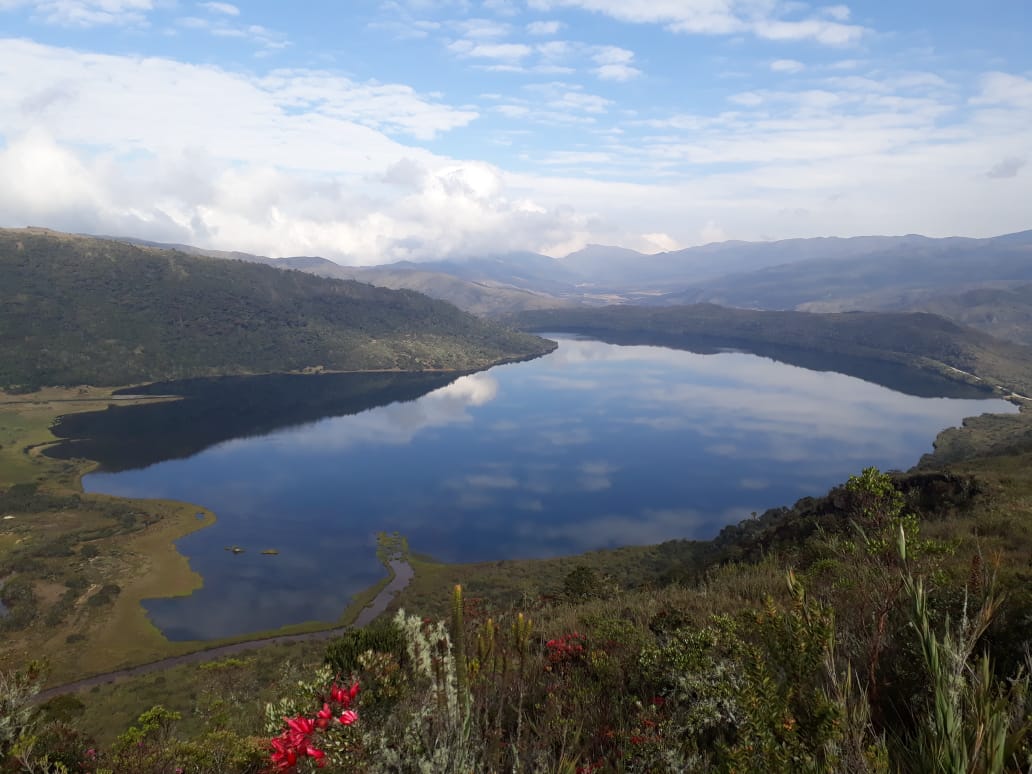
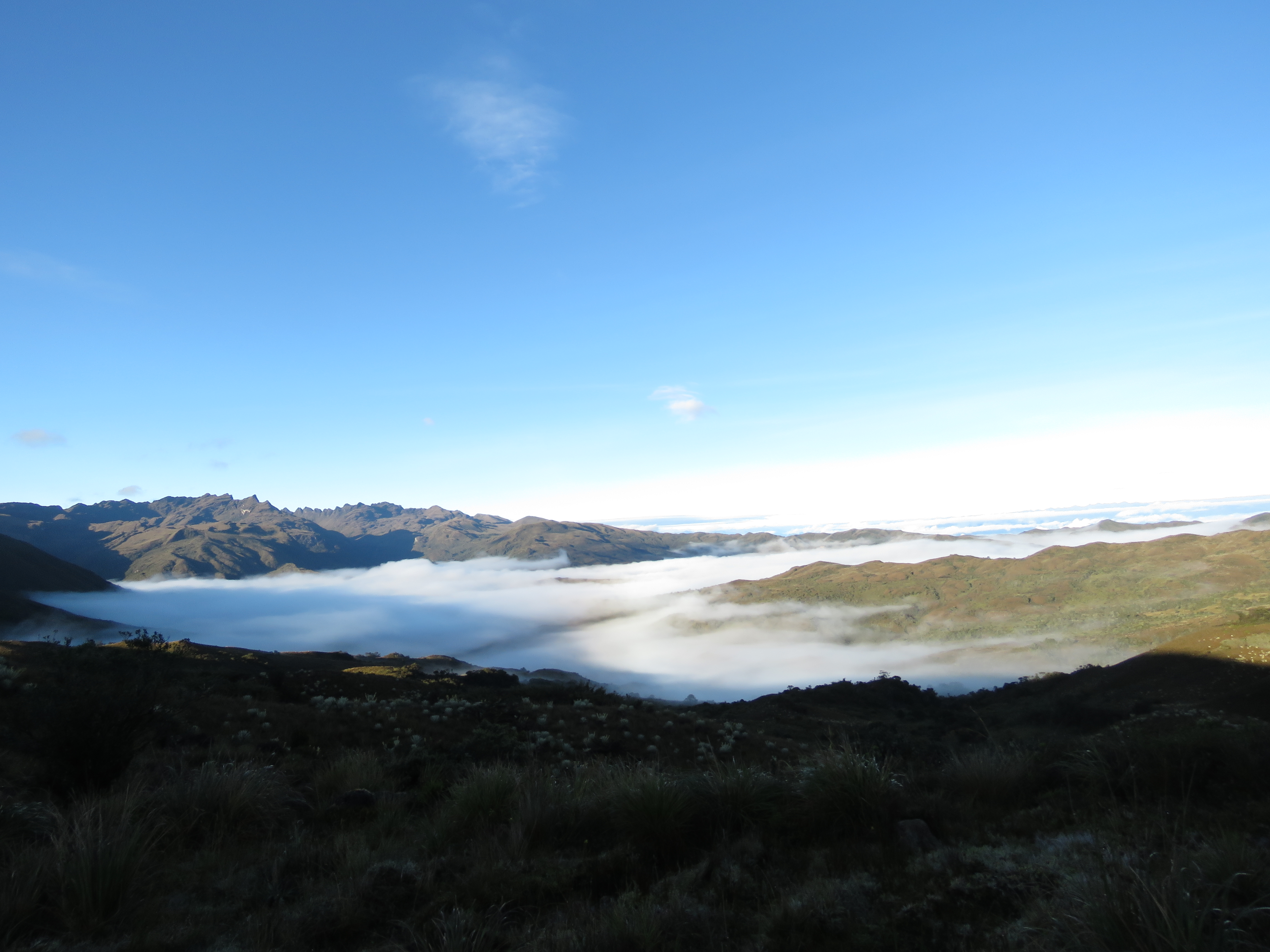
Chingaza National Park, with more than 77,000 hectares, is one of the most strategic protected areas of the Colombian National Natural Park System, as it is the main source of drinking water for 10 million people in the Bogotá DC and surrounding municipalities. It also protects moorland and Andean forest ecosystems that are key to regulating water resources in the Orinoco macro-basin, conserves endemic and/or nationally and globally threatened species of fauna and flora, and safeguards important sites for the indigenous communities that inhabited the territory. To guarantee its protection, the park has established conservation agreements with peasant families as part of a conservation pact. This participatory strategy allows communities to improve their productive practices while guaranteeing the protection of key ecosystems for the provision of ecosystem services, achieving a local collective effort that guarantees water security for future generations.


Context
Challenges addressed
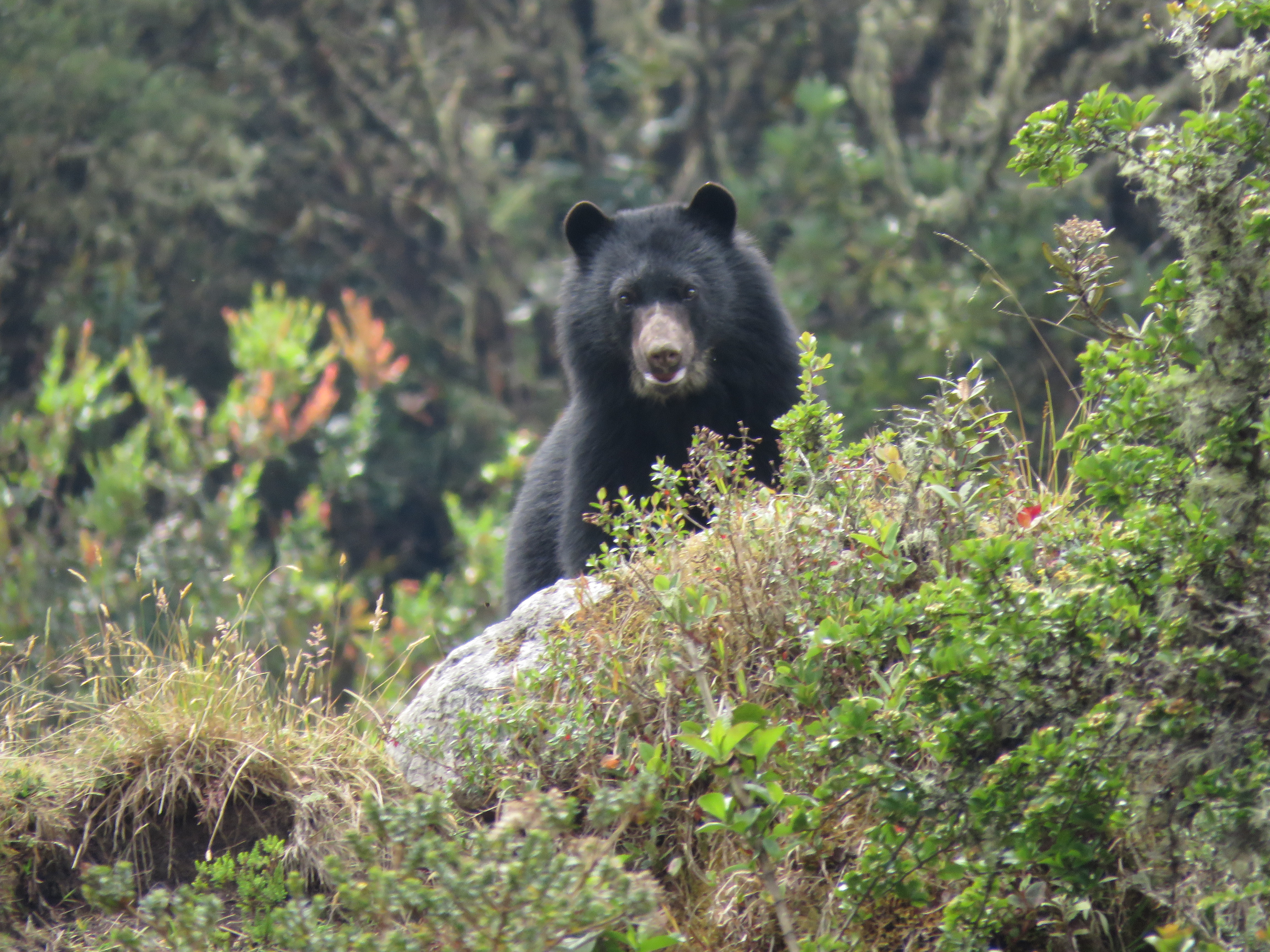
- Negative interactions between the local population and the Andean bear related to retaliation by farmers against this species for attacks on their livestock. These attacks occur due to the expansion of the agricultural frontier into forest areas, causing the loss of their habitat.
- Productive activities such as cattle ranching and/or agriculture with traditional practices that cause impacts on ecosystems.
- Lack of knowledge and economic resources on the part of the communities for the development of sustainable agricultural activities.
- Communities are unaware of the importance of the protected area in providing ecosystem services.
- Implementation of protected area management strategies that do not integrate the communities' local knowledge.
- The population distrusts government entities because their actions in the territory are based on the development of interventions that do not generate processes or follow-up and/or monitoring.
Location
Process
Summary of the process
The reciprocal trust between the communities and Chingaza NP has been fundamental in the signing of the conservation agreements. For the farming families, these agreements represent a unique opportunity to seek food sovereignty while making sustainable use of natural resources and contributing to the conservation of the protected area. Likewise, community monitoring has been successfully implemented in prioritized properties, raising community awareness through environmental education actions and carrying out joint prevention, surveillance and control activities. These environmental governance and knowledge management processes not only benefit Chingaza, but also serve as a model for creating lasting conservation networks between Colombia's National Natural Parks and local communities, ensuring the comprehensive protection of the country's ecosystems.
Building Blocks
Trust and neighborly relations

The participation of local communities is a fundamental pillar in the conservation processes of Colombia's National Natural Parks. In this sense, Chingaza NP through this strategy linked peasant families through conservation agreements to reduce pressures on ecosystems due to agricultural and livestock activities. In this way, productive activities are improved through the delivery of inputs and the communities, in exchange, free up areas of their land for conservation processes. This successful process is based on mutual trust and a permanent relationship between the environmental authority and the communities. The compliance and joint efforts of both parties have made it possible to achieve the objectives set out in this strategy.
Enabling factors
- The recognition of the protected area as a key player in the territory for the provision of ecosystem services and management to improve the quality of life of the communities has facilitated the relationship with the families.
- The willingness and firm commitment of the communities to become involved in the conservation processes has made it possible to jointly develop conservation and sustainable use actions for each property and their programming over the duration of the agreement (5 years).
- Permanent technical accompaniment and monitoring of the execution of protection, conservation and sustainable use actions on the property during the implementation of the agreement.
- Consensus with the farming families in the establishment of the operational activities of the agreements, in such a way that the conservation actions are harmoniously integrated into the farm's work.
Lesson learned
- The elaboration of management strategies for the conservation of strategic high mountain ecosystems, such as the signing of conservation agreements, was based on the local knowledge of the farming families with the technical support of the area's work team, which guarantees that conservation actions will be maintained over time.
- It was crucial to strengthen governance with the communities in order to empower the inhabitants. They are the ones who make the decisions on how to conserve their region.
- Agricultural activities are the basis of subsistence for the families; therefore, it was important to evaluate a balance between conservation and production in order to avoid conflicts with the inhabitants, seeking a negotiation in accordance with local needs.
- Compliance with the agreements by Chingaza NP generates confidence in the communities to successfully achieve the objective of the agreements implemented.
Sustainable productive improvement
The peasant families that signed the agreements base their subsistence mainly on agricultural and livestock activities. In this sense, the actions to be implemented within the framework of these agreements were built jointly with the beneficiaries, so that there would be an incentive to improve their productive practices and at the same time achieve forest conservation in each property.
The support focused on the delivery of agro-inputs, tools, sustainable materials for crop infrastructure, among others, which mitigates the impact of bad agricultural practices and reduces deforestation pressure.
The recovery of vegetation cover is evident, and the communities' positive perception of this process is reflected in their interest in declaring some of these lands as Civil Society Nature Reserves, a private conservation initiative that seeks to contribute, but at the same time requires an orderly management of their productive activities to reduce their impact on ecosystems and strategic habitats for species such as the Andean bear.
Enabling factors
- Allocation of a specific area of the families' land (5.0410 ha) for the implementation of the agreement, contributing to the ecological connectivity within the territorial context of Chingaza NP.
- There is a community commitment to implement the productive model and the actions that were previously agreed upon during the planning process.
- The families followed the technical recommendations of the Chingaza NP technical team linked to the project, in favor of the reconversion and sustainable management of the production system.
- Active participation of the families not only in project activities, but also in training events, workshops and courses related to the objectives defined in the agreements.
Lesson learned
- The participation of the communities from the design of the agreements was fundamental to ensure ownership and commitment to their implementation.
- Detailed characterization of each farm, including productive, biophysical, ecosystemic and social information. This diagnosis made it possible to plan the production systems according to the needs and conditions of each family and farm.
- Technical follow-up visits to the farms have been key to accompany and ensure the implementation process of the inputs, equipment and materials delivered in the different phases. This effectively reinforces the production and conservation systems.
Integration of PA management strategies in the framework of the agreements
The management strategies that the PA implements within the framework of these agreements are aligned with: monitoring, environmental education and prevention, surveillance and control. In relation to monitoring, camera traps were installed in the prioritized properties, where families participate in the installation and clearing, and the procedures for collecting information are explained to them. To date, 14 species of medium and large mammals have been recorded, including three endangered species classified as "Vulnerable - VU" (Resolution 0126 of 2024): the Andean bear(Tremarctos ornatus), the Soche deer (Mazama rufina) and the woolly tigrillo (Leopardus pardinoides). Likewise, 15 bird species have been recorded, from the Giant Woodpecker (Campephilus pollens), the Red-headed Tinamou (Nothocercus julius), the Swallow-tailed Nightjar (Uropsalis segmentata), the Andean Guan (Penelope montagnii) and the Waved Tororoi (Grallaria squamigera).
Subsequently, within the framework of environmental education, the results obtained are socialized to the families and awareness is raised about the importance of protecting the forests.
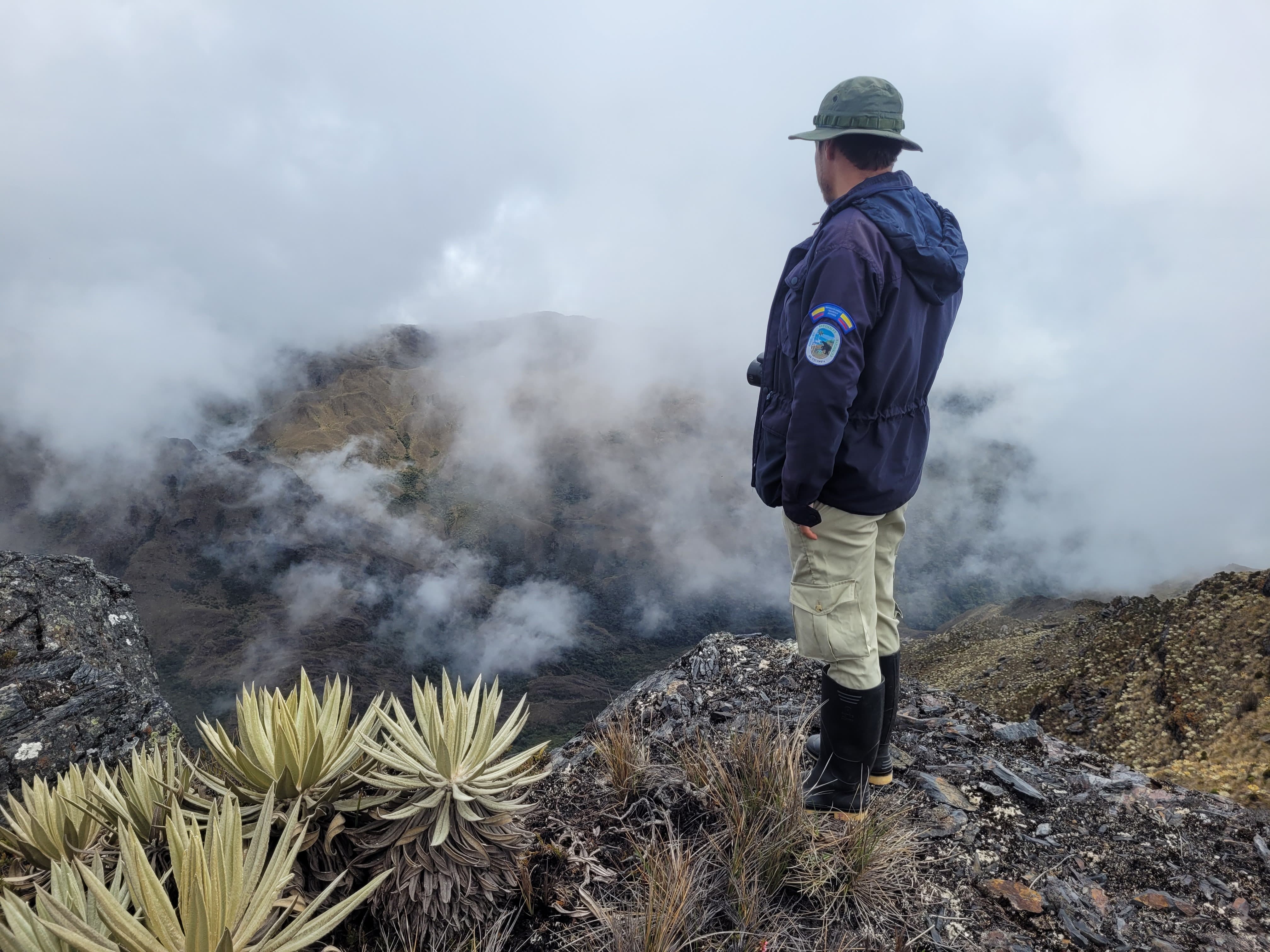
Finally, prevention, vigilance and control are carried out through joint tours with the communities, thus achieving the follow-up of the implementation of the agreements.
Enabling factors
- The PA had the financial resources, physical equipment and personnel required for the development of the strategies, which allows for a permanent institutional presence and effective accompaniment in the process of implementing the agreements.
- There is annualized planning of actions to be implemented, so that activities respond to PA management needs.
- The actions respond to the planning and management defined by the protected area, which is why they work in an integrated manner.
Lesson learned
- The focus on governance and food sovereignty has facilitated the relationship and interaction with the farming communities, as it has allowed the implementation of joint management strategies.
- Local communities are recognized and their work within the territory is valued, as they play an important role in the conservation and protection of the high mountain ecosystem.
Impacts
- Since 2021, 101 conservation agreements have been signed with 113 farming families, ensuring the protection of 1,588.25 ha in the area adjacent to the Chingaza National Park, in the municipalities of San Juanito and El Calvario in the department of Meta; Choachí, Fómeque and Junín, in the department of Cundinamarca. This generates a multidimensional impact on habitat conservation, territorial sustainability, and the permanence of ecosystem services.
- The 101 agreements contribute to the improvement of ecological connectivity and mitigate the negative interaction between the community and wildlife.
- The 113 farming families are empowered by the conservation initiative, contributing to the improvement of their quality of life through the conversion of conventional production systems to sustainable production systems, which is reflected in the environmental and productive management processes of the territory.
- These agreements protect 844.12 hectares of forest that function as biological corridors. This allows species to move, maintaining the future health of the forests.
- Environmental education, monitoring, prevention, surveillance and control are linked to this work in a participatory manner as strategies for the protection of fauna, generating an awareness of appropriation and respect for nature, turning the communities into guardians and allies of the Chingaza Park.
Beneficiaries
- 485 beneficiaries of the conservation agreements, of which 113 are farming families.
Threatened and/or endangered species of fauna and flora.
Global Biodiversity Framework (GBF)
Sustainable Development Goals
Story
For the professional Fredy García, born and raised in the village of La Caja in the municipality of Choachí, adjacent to the Chingaza National Park, the legacy left to him by his father, who was an official of the park for 27 years, has allowed him to appreciate the natural wealth and benefits offered by the protected area. In his 8 years of working with the park, he has been able to learn about and contribute his expertise to the implementation of different management strategies.
Her village has been one of the priority areas in the implementation of the conservation agreements, and therefore in her day-to-day work, she can see how the beneficiaries are committed to their compliance, improving their production and conserving the forests on their properties. Similarly, she has seen that there is a positive perception of the Park's management, as the inhabitants recognize that this alliance allows for more sustainable production, while learning and protecting nature.