Two pilot cases of integration of biodiversity conservation and climate change adaptation in land-use planning at the municipal level in Colombia
Full Solution
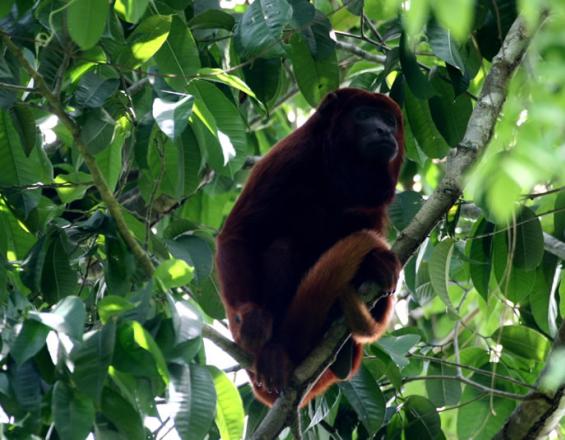
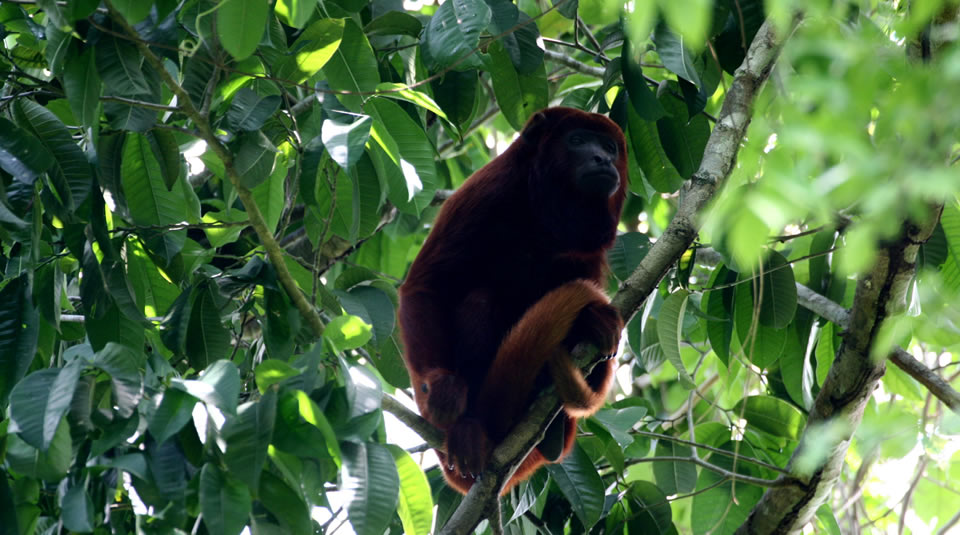
Los Colorados Flora and Fauna Sanctuary
Parques Nacionales Naturales Colombia
In 2013, the Colombian National Natural Parks System (PNNC) structured 8 pilot cases to integrate protected areas into land use planning, as an input for the national Land Use Planning Policy. In 2014, it signed an agreement with IUCN for the project "Integrated Land Use Planning for Biodiversity", an initiative that promotes the implementation of the CBD Strategic Plan 2011-2020 with participatory methodologies on land use and climate change integration in 4 countries.
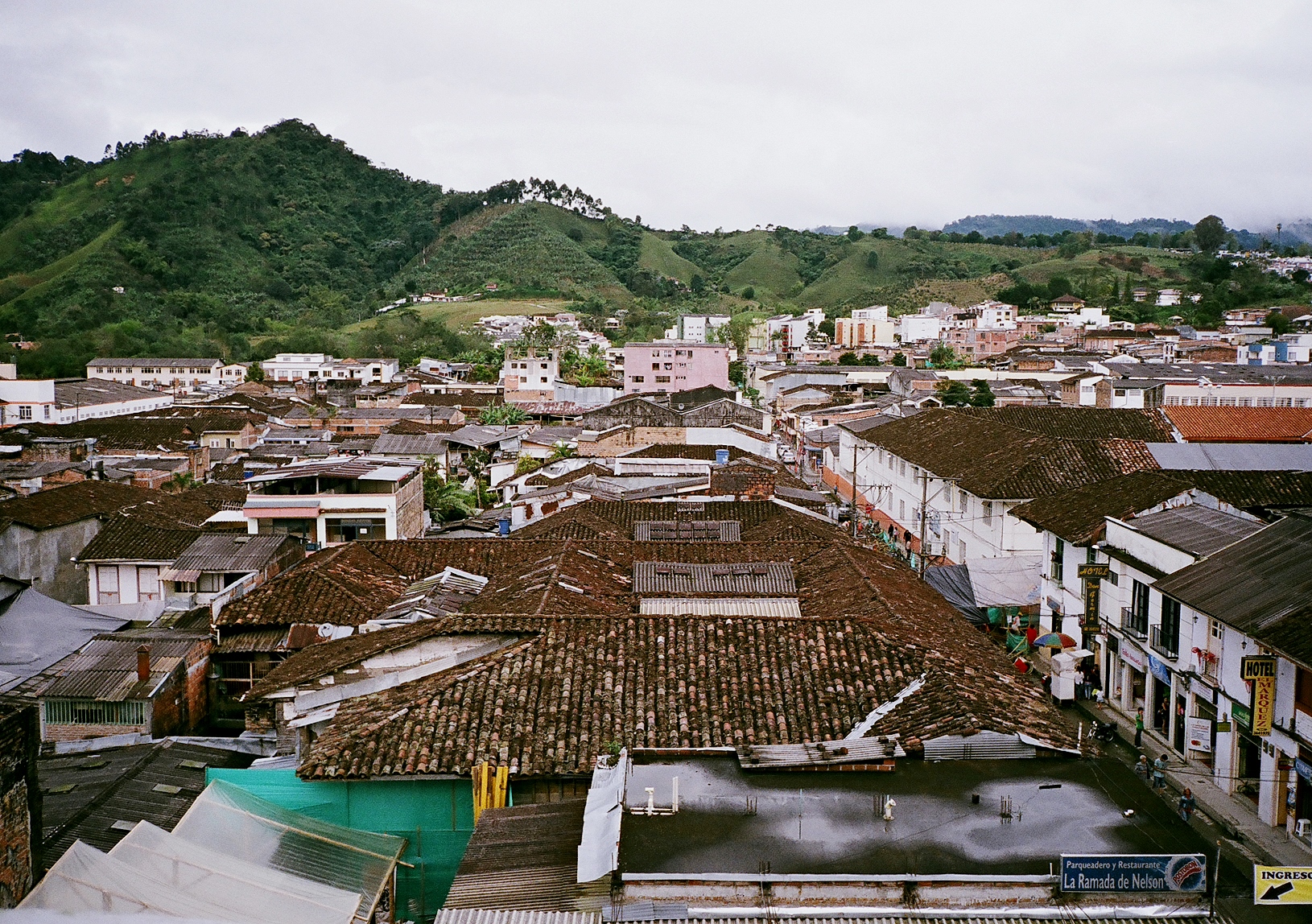
In Colombia, two pilot cases were supported in San Juan Nepomuceno, Bolivar, and Santa Rosa, Cauca. The experience is based on the inter-institutional and multilevel work of national public entities, environmental authorities, territorial entities and local communities; capacity building and knowledge exchange for land management; and complementarity between environmental planning and land-use planning instruments.
Last update: 30 Sep 2025
4832 Views

Context
Challenges addressed
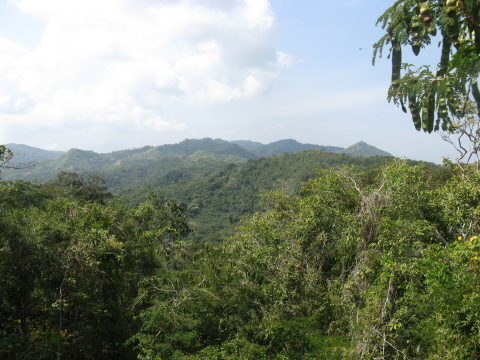
The San Juan Nepomuceno Land Use Plan considers Los Colorados Flora and Fauna Sanctuary a protected area, but challenges persist:
- 3 neighborhoods in its interior without basic services generates poor living conditions and deterioration of the tropical dry forest relict.
- Definition of an adjacent functional buffer zone to reduce urbanization and road infrastructure pressures.
- Ecosystem connectivity to address fragmentation.
- Positioning of silvopastoral and agroforestry systems in rural planning.
In the case of the municipality of Santa Rosa, it includes 5 protected areas where watersheds that supply neighboring municipalities and departments are born. However, the municipality receives few resources from the general budget, so the challenge is to generate a fiscal policy that recognizes the role of these environmental territories in the protection and provision of ecosystem services for regional territorial development.
Location
Los Colorados Flora and Fauna Sanctuary, Municipality of San Juan Nepomuceno, Bolívar
South America
Process
Summary of the process
The implementation of the two pilot cases in the municipality of San Juan Nepomuceno, Bolivar, in the Montes de Maria region of the Colombian Caribbean, and in the municipality of Santa Rosa, Cauca, in the Colombian massif, was important for the integration of biodiversity conservation and climate change adaptation in land-use planning. The support of an international organization, such as IUCN - South America, was key in a process applied at the local level, with impacts at the national level, for the formulation of a general public policy for land-use planning. This support focused on strengthening national bodies, such as the National Natural Parks of Colombia and the National Planning Department, both of which have an impact on national public policy, as well as facilitating spaces and financing actions focused on knowledge management to generate inputs to facilitate this participatory and multilevel construction process. These inputs include the preparation of technical documents for the two case studies, discussion meetings on the subject at national and international levels, workshops for the exchange of experiences at the local and national levels, and field visits.
Building Blocks
Support from an International Organization in national processes for the formulation of public policy
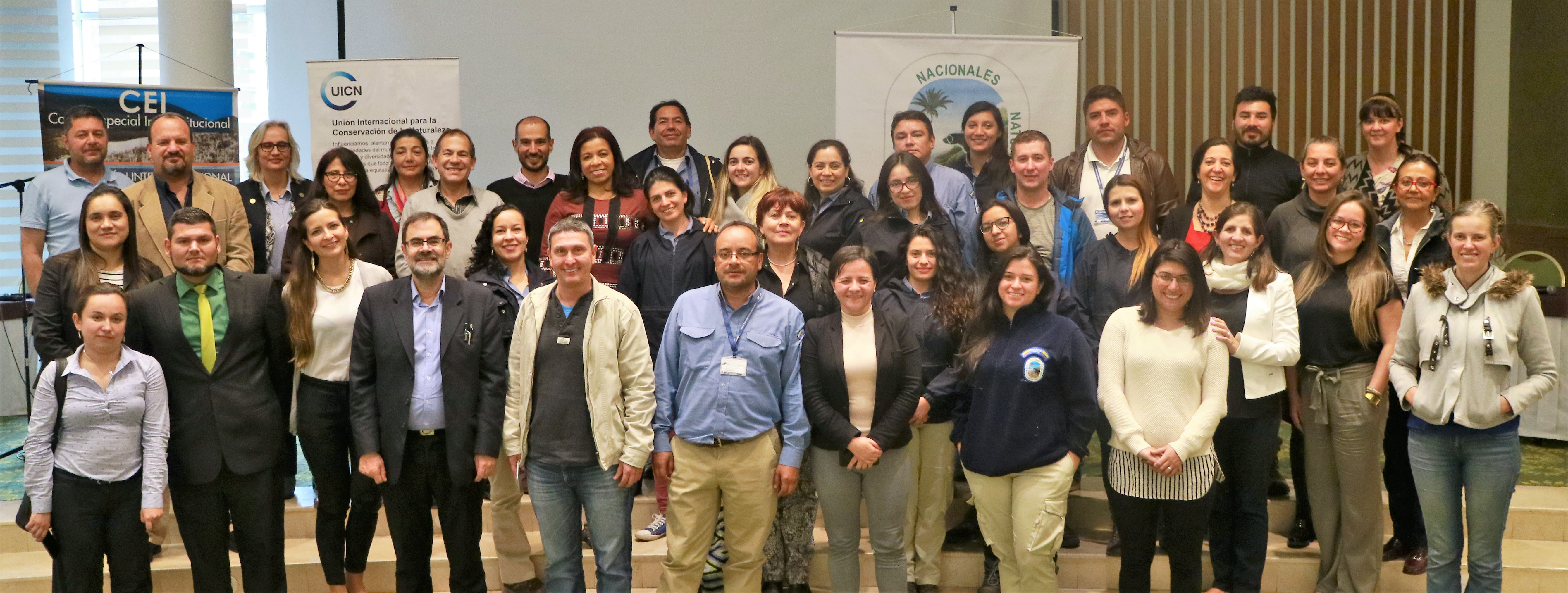
In compliance with the goals established in the National Parks System's Institutional Action Plan and the SNAP Action Plan, Parks began the process of integrating PAs into national, regional and local technical instruments and public policy. With the issuance of Colombia's Organic Law of Territorial Planning by the Congress of the Republic and the creation of the Territorial Planning Commission (COT), made up of seven institutions, including the National Planning Department, which serves as Technical Secretary, the process of forming the Special Interinstitutional Committee (CEI) of the COT began. National Parks was included as one of the 6 institutions permanently invited to participate in the CEI, due to its efforts in public policy, the preparation of technical documents, and the development of 8 pilot cases in different regions of the country, with the aim of providing inputs for the formulation of the General Land Use Planning Policy, from a multilevel, interinstitutional and participatory approach. IUCN-South America proposes to be part of this national process by supporting the implementation of 2 of the pilot cases through the global project "Integrated Land Use Planning for Biodiversity".
Enabling factors
- Regulatory framework for land-use planning that emphasizes the importance of integrating protected areas into municipal land-use plans.
- National public policy development process underway.
- Creation of a Special Interinstitutional Committee within the COT, made up of national institutions from various sectors, including Colombia's National Natural Parks, with responsibilities for defining public policy on land-use planning.
- Support from IUCN-South America in the process.
Lesson learned
IUCN-South America's support to the public policy formulation process, which integrates protected areas into the territorial planning system, strengthened the results of the two case studies, leaving the following lessons. The integration of actors at multiple levels - local communities, the State and international cooperation - allowed for effective action at the community, administrative and legal levels for the elaboration of an effective public policy. This made it easier to make the leap from theory to practice, and to test the theory before transforming it into public policy. In addition, the support provided to the CEI was fundamental, with the facilitation of spaces for exchange and construction, made up of national and foreign experts. It is also important to recognize the relevance of the support to the institutional management of a governmental instance, such as the PNNC and the National Planning Department, with an impact on the TOC. This has undoubtedly allowed a scaling up of public policy from the local to the national level.
Local capacity building and knowledge management
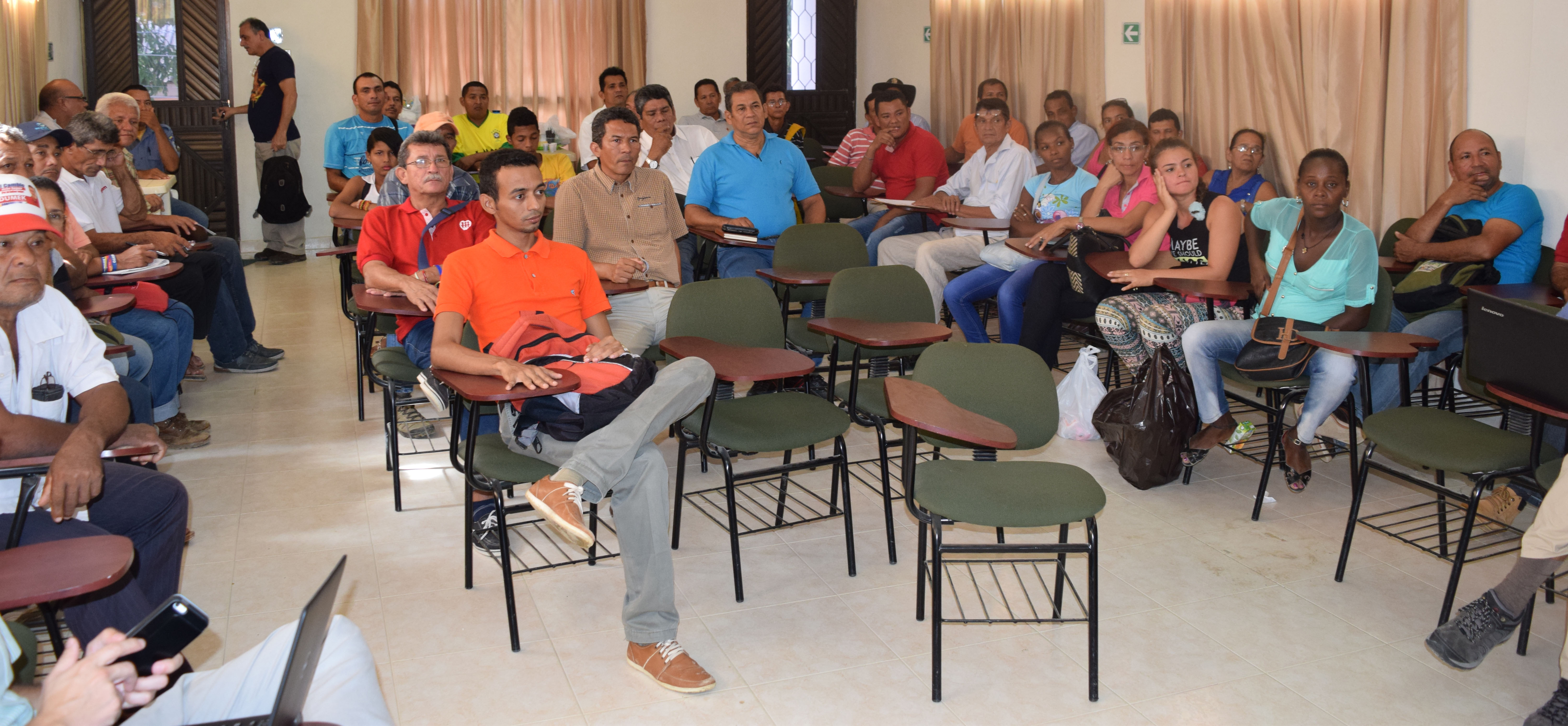
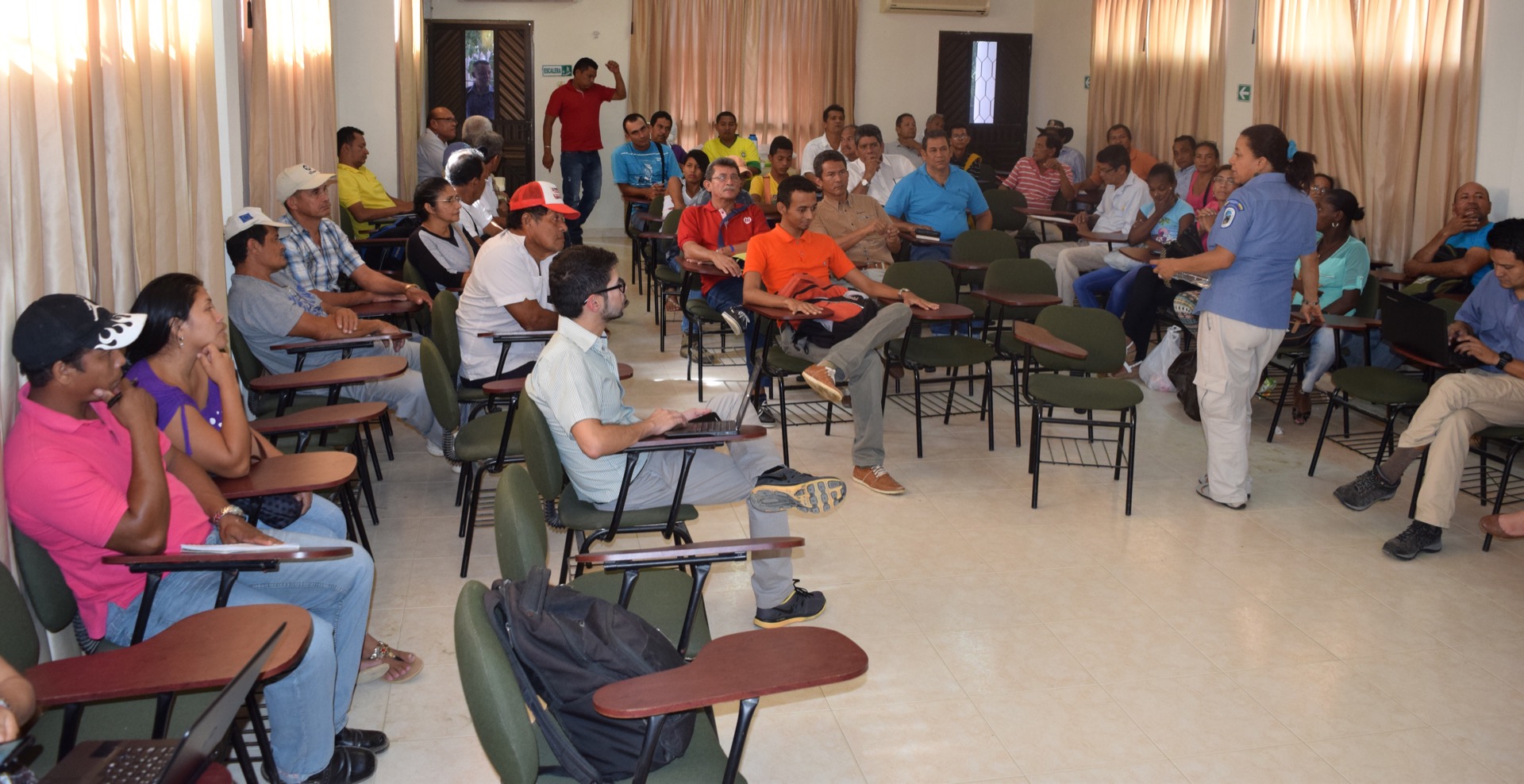
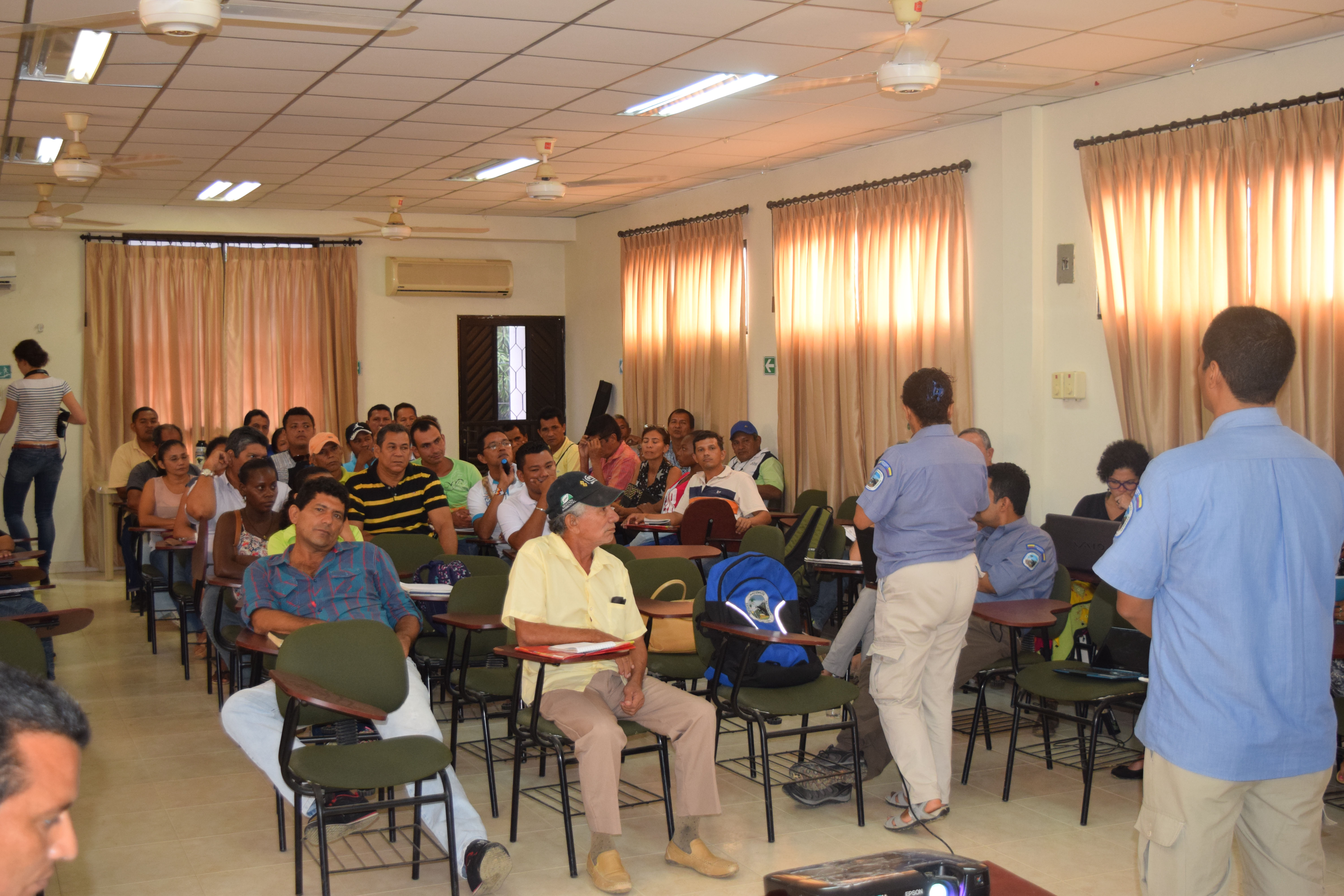
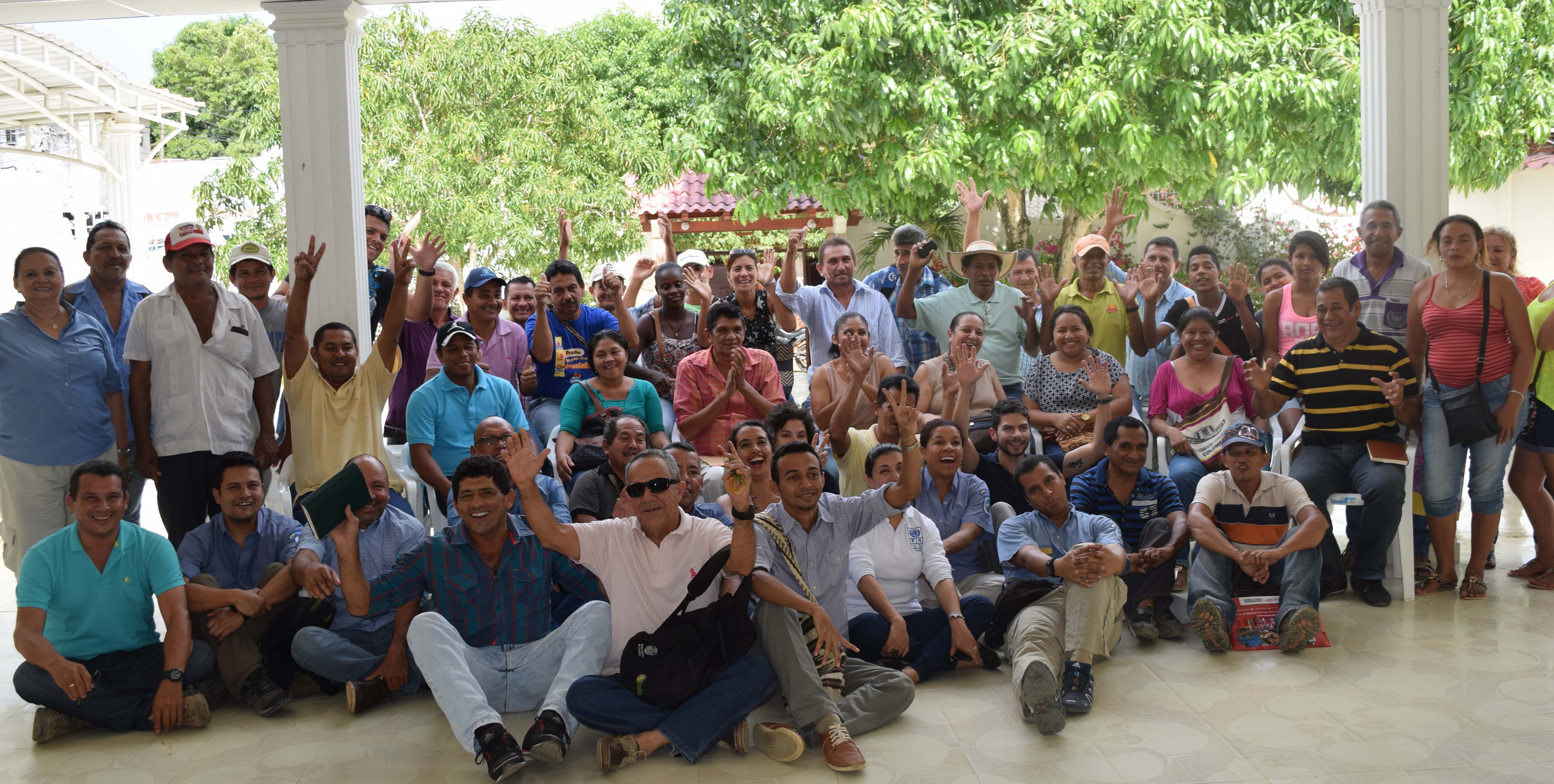
An essential factor in the integration of key aspects of climate change and biodiversity into territorial planning at the municipal level was the strengthening of local capacities in territorial planning, ecosystem services and adaptation to climate change. This was done at the level of municipal administrations, personnel from Colombia's National Natural Parks and protected areas, and local communities. Equally important was knowledge management to provide inputs that facilitate the development of public policy proposals in this area. Such is the case of the preparation of diagnoses of the Basic Land Management Plans in the two municipalities, to analyze the degree of inclusion of PAs and generate recommendations for greater integration; the preparation of diagnoses and identification of ecosystem services, to make visible the importance of PAs in territorial development and in the quality of life of the surrounding population; and the identification of risks associated with climate change and adaptation strategies, based on local experiences, in order to contribute to the resilience of ecosystems in the context of land use planning.
Enabling factors
- Financial support for the implementation of consultancies to generate key baseline information.
- Funding for the hiring of experts to support the work teams in both municipalities on land-use planning and the inclusion of protected areas in local planning.
- Technical and academic enhancement of the public policy formulation process, due to the involvement of institutions from multiple levels and sectors, which generated meetings and contributions from local and foreign experts.
Lesson learned
The implementation of a capacity building and knowledge management component, aimed at decision makers, technical staff and communities, provides a solid technical basis and promotes standardized knowledge that articulates the dialogue in the participatory public policy construction processes. This gives the process greater legitimacy.
In the municipalities, this strengthened their leadership and positioning as a development axis. For the PAs, their role in territorial development was evidenced, whether for the cultural value of the Los Colorados FFS in San Juan Nepomuceno, or for the generation of water resources in the case of Santa Rosa, which benefits the Department of Cauca.
As for the communities, this promoted their empowerment and participation in the construction of local public policy, and made it possible to recover knowledge related to climate change adaptation measures, such as reforestation of streams and rivers, rainwater collection wells, and the construction of elevated bridges on guadua.
Impacts
- Characterized and socially valued the ecosystem services provided by protected areas for territorial development.
- Strengthened the capacities of local communities, environmental authorities, National Parks and municipalities in land-use planning.
- The protected areas management plan was articulated in the Municipal Land Use Plan, with the participation of protected area personnel and local communities.
- Inputs were generated for the construction of Colombia's general public land-use planning policy.
- Strengthened multilevel dialogue with national and regional entities, environmental authorities, territorial entities and local communities in the municipalities, which made it possible to define an integrated development vision.
- The project empowered local communities and their representatives to mobilize local public policy-making processes.
- Support for the management of Colombia's National Natural Parks strengthened its participation in the Special Inter-Institutional Committee of Colombia's Land Use Planning Commission and, therefore, in contributing to the formulation of public policy.
- The implementation of the project allows IUCN-South America to share the lessons learned and lessons learned from the Colombian process with the countries of the region.
Beneficiaries
Population of approximately 35,000 inhabitants in San Juan Nepomuceno, in the Montes de María region of the Colombian Caribbean; and a population of approximately 10,000 inhabitants in Santa Rosa, in the heart of the Colombian massif and Andean Amazon foothills.
Sustainable Development Goals
SDG 3 – Good health and well-being
SDG 11 – Sustainable cities and communities
SDG 15 – Life on land
Story
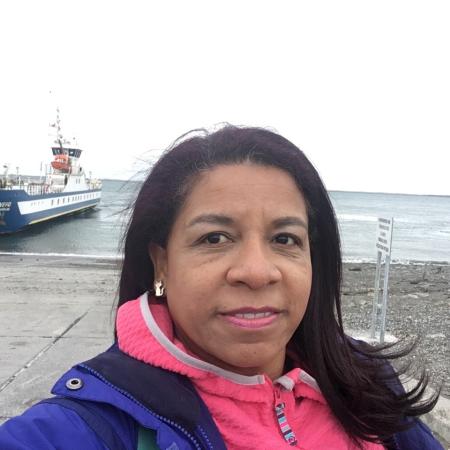
Gisela Paredes Coordinator of the Technical Secretariat of Colombia's Land Use Planning Commission at the National Planning Department.
Gisela Paredes
"I have been an official of National Parks (NP) for 22 years. In 2003, working in the Caribbean territory, I saw that for several municipalities biodiversity was perceived as a constraint to development. I began to explore territorial planning (TO) and started a research process to integrate protected areas (PA) into the TO.
In 2009, the articulation of PA planning and administration in land use planning and environmental management planning was included as an objective of the SNAP Action Plan. However, PA participation in these processes was still incipient. I studied a master's degree in Sustainability to Manage Global Change, with a thesis focused on this. In 2012, PN delegated to me the responsibility of guiding this topic. We initiated a diagnosis of PA participation in development plans and TOs; topics were prioritized and training modules were developed explaining why, what for and how to integrate PAs in the TO.
With Law 1454 of 2011 on TO, I began to venture into technical spaces of national and inter-institutional institutions; work agendas were generated; technical documents were prepared; and PN was able to be included as a permanent guest in the Special Inter-institutional Committee of the Colombian TO Commission.It was necessary to take national entities to the territory, so 8 pilot cases were structured in the Pacific, Andean, Caribbean, Amazon and Orinoco regions, where PA was involved in issues such as urban planning, fiscal policy, rurality and ethnic territories.
I am proud of the work done to position the topic and generate technical inputs for the formulation of public policies for the Colombian TO, making NP and PA one of the 7 prioritized topics.
The support of IUCN-South America in the identification and social valuation of ecosystem services, and with local experts in two of the pilot cases (San Juan Nepomuceno Bolivar, and Santa Rosa Cauca) allowed us to strengthen the work team of the areas; facilitate meeting spaces between the community, the mayor's office and environmental authorities; and generate key technical products.
It has been a personal, institutional and inter-institutional journey with colleagues from Parks, municipalities, regional environmental authorities, national institutions, communities and international institutions, which shows that it is possible to manage in a different and complementary way, and to learn together".
Connect with contributors

Other contributors
Gisela Paredes Leguizamón
National Parks and on secondment to the National Planning Department.